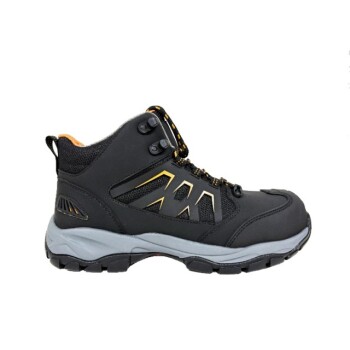
Plantar Pressure Sensors integrated into footwear function by utilizing embedded pressure-sensing arrays to generate real-time distribution maps of the forces applied to the human sole. By electronically dividing the foot into anterior and posterior sections and calculating average pressure values, these systems allow for the precise identification of critical gait events, specifically heel-strike and toe-off.
Core Insight: The primary value of these sensors lies in converting mechanical ground reaction forces into objective digital data. By synchronizing pressure spikes with specific movement states, they transform a standard shoe into a diagnostic tool capable of quantifying gait phases and functional mobility without a laboratory setting.
The Mechanics of Pressure Detection
Sensor Architecture and Placement
To capture accurate data, sensors—often Force Sensitive Resistors (FSR)—are strategically positioned at high-load areas of the smart insole.
Key placement zones typically include the heel, the first and fourth metatarsals, and the big toe. These thin-film sensors operate by exhibiting a non-linear decrease in electrical resistance as mechanical pressure increases, effectively translating physical weight into a measurable electrical signal.
Real-Time Event Recognition
The primary function of the sensor array is to establish a timeline of the gait cycle.
By analyzing the pressure distribution between the anterior (front) and posterior (back) sections of the foot, the system identifies the exact moment the heel hits the ground and when the toe leaves it. This data provides the physical basis for gait phase classification, allowing the system to distinguish between stance and swing phases instantly.
Clinical and Monitoring Applications
Quantitative Kinematic Metrics
Beyond simple step counting, integrated pressure sensors provide high-fidelity kinematic indicators.
Systems process the physical signals to calculate walking speed, step frequency, and single or double support times. These metrics serve as objective evidence for evaluating improvements in lower limb movement, particularly in rehabilitation scenarios.
Dynamic Load Distribution
High-precision arrays capture the unique dynamic characteristics of a user's walking habit.
This includes analyzing how body weight and foot structure interact with the ground over time. This data is critical for quantifying movement restrictions caused by physical injuries and evaluating the effectiveness of interventions, such as rhythmic tactile cues.
Understanding the Trade-offs
Calibration and Ground Truth
While pressure sensors are powerful, they often require validation to ensure prediction accuracy.
Developing reliable algorithms frequently involves comparing pressure data against foot-mounted reference sensors that analyze angular velocity (using gyroscopes). These reference sensors provide the "ground truth" for gait phase switching, which is essential for training the pressure sensor models to be accurate.
System Complexity and Integration
Isolating pressure data is rarely enough for a holistic health picture.
Advanced footwear often integrates pressure sensing with motion sensors (accelerometers) and ECG monitors to track overall activity levels and balance simultaneously. While this provides comprehensive support for disease prediction, it increases the complexity of the flexible sensor network and the data transmission requirements.
Making the Right Choice for Your Goal
If your primary focus is Clinical Rehabilitation: Prioritize systems that offer detailed dynamic load distribution metrics to objectively quantify movement restrictions and track functional recovery over time.
If your primary focus is Algorithm Development: Ensure your setup includes foot-mounted reference sensors (measuring angular velocity) to generate the ground truth data necessary for calibrating gait phase detection models.
If your primary focus is General Health Monitoring: Look for footwear that integrates multiple sensor types (pressure and motion) to correlate gait stability with 24/7 activity levels.
Successful implementation relies on accurate synchronization between the physical pressure event and the digital classification system.
Summary Table:
| Feature | Sensor Function & Impact |
|---|---|
| Detection Mechanism | Force Sensitive Resistors (FSR) convert mechanical pressure to electrical signals |
| Strategic Placement | Heel, 1st/4th metatarsals, and big toe for high-load accuracy |
| Key Gait Events | Real-time identification of heel-strike and toe-off phases |
| Kinematic Metrics | Measures walking speed, step frequency, and support timing |
| Applications | Clinical rehabilitation, algorithm development, and dynamic load monitoring |
As a large-scale manufacturer serving distributors and brand owners, 3515 offers comprehensive production capabilities for all footwear types, anchored by our flagship Safety Shoes series. We specialize in integrating advanced technologies into our extensive portfolio, which covers work and tactical boots, outdoor shoes, training shoes, and sneakers, as well as Dress & Formal shoes. Whether you need high-performance smart footwear for clinical gait analysis or durable tactical gear, 3515 provides the scale and expertise to meet your bulk requirements. Contact us today to explore our innovative manufacturing solutions!
References
- Ruirui Zhong, Jianrong Tan. Construction of Human Digital Twin Model Based on Multimodal Data and Its Application in Locomotion Mode Identification. DOI: 10.1186/s10033-023-00951-0
This article is also based on technical information from 3515 Knowledge Base .
Related Products
- Durable High-Ankle Tactical Boots Wholesale Manufacturer for Custom & Bulk Orders
- Premium Suede Sport Safety Shoes for Wholesale & Bulk Orders
- Lightweight Breathable Training Shoes for Wholesale & Custom OEM Manufacturing
- Durable Leather High-Ankle Tactical Boots for Wholesale & Custom Manufacturing
- Wholesale Breathable Training Shoes Custom Athletic Footwear Manufacturer
People Also Ask
- What specialized protections do tactical boots offer? Maximize Endurance with High-Performance Footwear
- How do tactical boots protect against injuries? Discover the Integrated Safety System
- What are the ideal use cases for tactical boots? Empower Your Performance in Demanding Scenarios
- Can tactical boots be stylish for everyday wear? Yes, with the right styling and features.
- What are the primary benefits of wearing tactical boots for everyday use? Get All-Day Comfort & Durability