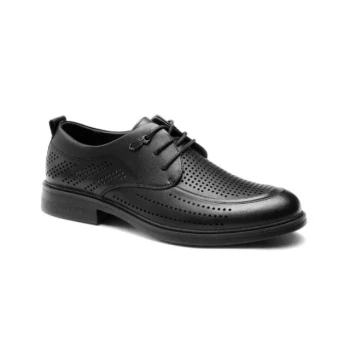
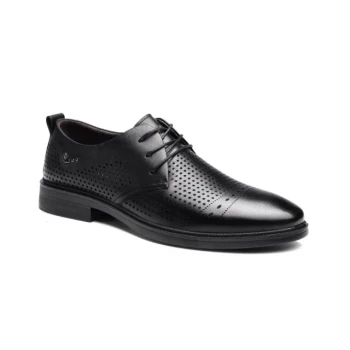
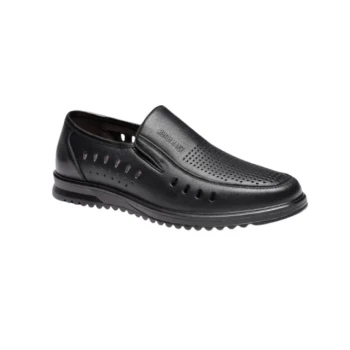
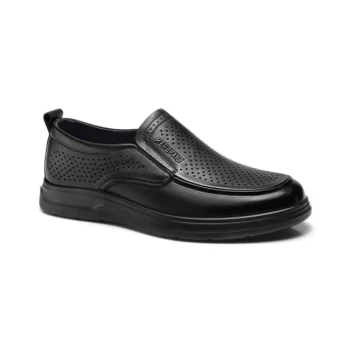
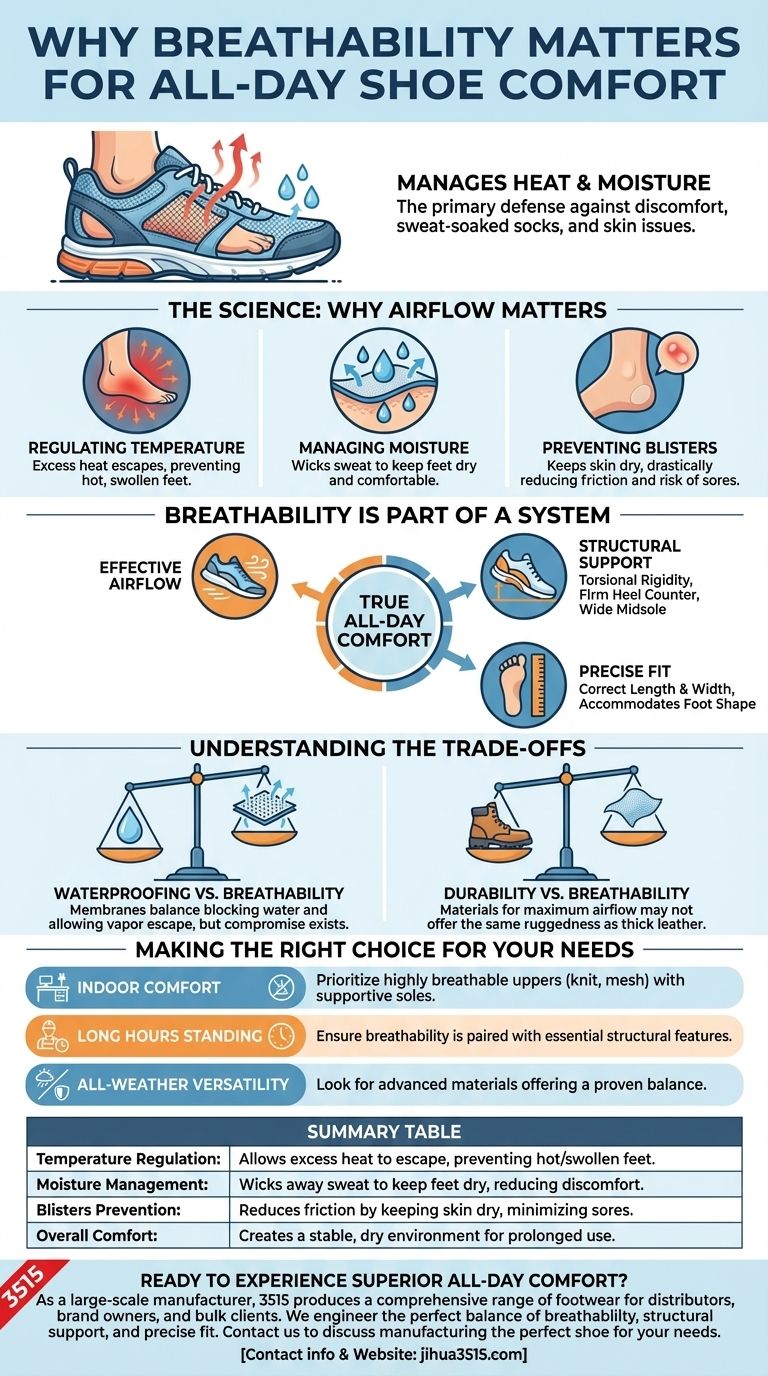
The fundamental reason breathability is crucial in shoes for all-day wear is to manage the heat and moisture your feet naturally produce. Over a long day of standing or moving, this regulation is the primary defense against discomfort, sweat-soaked socks, and the skin issues that follow.
While breathability directly prevents sweaty, uncomfortable feet, its true importance lies in how it functions as part of a system. True all-day comfort is only achieved when effective airflow is combined with proper structural support and a precise fit.
The Science of Foot Comfort: Why Airflow Matters
Your feet are one of the highest concentrations of sweat glands on your body. When sealed inside a shoe for 8-10 hours, the environment can degrade quickly without proper ventilation.
Regulating Temperature and Heat
Your feet generate a significant amount of heat, especially during periods of activity or prolonged standing.
Breathable materials, such as mesh or specialized liners, allow this excess heat to escape. This constant thermal regulation keeps your feet from feeling hot and swollen.
Managing Moisture and Sweat
Without an escape route, sweat accumulates inside the shoe, creating a damp and uncomfortable environment.
Breathable and moisture-wicking linings actively pull this perspiration away from your skin and allow it to evaporate. This process is essential for keeping your feet feeling dry and comfortable throughout the day.
Preventing Blisters and Skin Breakdown
The most direct consequence of trapped moisture is softened skin. This makes your feet far more susceptible to friction from the shoe.
By keeping the skin dry, breathable shoes drastically reduce the risk of painful blisters and other friction-related sores.
Breathability Is Only Part of the Equation
A shoe that breathes well but fails in other key areas will still cause discomfort and potential injury over a long day. Breathability must work in concert with support and fit.
The Foundation: Structural Support
A shoe designed for all-day wear needs a solid chassis to prevent foot fatigue and maintain proper alignment.
Key features include torsional rigidity (resistance to twisting), a firm and structured heel counter to lock your foot in place, and a wide midsole for a stable platform. Without these, even the most breathable shoe will fail under the stress of prolonged use.
The Necessity: A Perfect Fit
Poor fit negates all other positive features. A shoe that is too tight restricts airflow, while a shoe that is too loose creates excessive friction.
It is critical to ensure the shoe's length and width match your foot's measurements. The upper material must also accommodate your foot shape without causing pressure points.
Understanding the Trade-offs
Choosing the right material often involves balancing competing priorities. Understanding these trade-offs is key to selecting the right shoe for your specific environment.
Breathability vs. Waterproofing
The most common trade-off involves protection from the elements. A fully waterproof membrane can trap heat and moisture, reducing breathability.
Modern technologies aim to solve this by using membranes that block larger water molecules from entering but allow smaller sweat vapor molecules to escape. However, a compromise often remains.
Breathability vs. Durability
Materials engineered for maximum airflow, like open-cell mesh, may not offer the same rugged durability as materials like thick leather.
Your choice should reflect your daily environment. A climate-controlled office and an outdoor worksite demand different balances of breathability and resilience.
Making the Right Choice for Your Needs
To select the best shoe, evaluate your primary daily demands against these principles.
- If your primary focus is maximum comfort in a dry, indoor environment: Prioritize shoes with highly breathable uppers, like knit fabrics or mesh, combined with a supportive sole.
- If your primary focus is support for long hours of standing: Ensure breathability is paired with essential structural features like high torsional rigidity and a firm heel counter.
- If your primary focus is all-weather versatility: Look for advanced materials that offer a proven balance of waterproofing and breathability, accepting that neither may be at its absolute maximum.
Ultimately, choosing the right footwear is about creating a stable, dry, and well-regulated environment where your feet can perform for hours without issue.
Summary Table:
| Key Benefit of Breathability | How It Helps All-Day Wear |
|---|---|
| Temperature Regulation | Allows excess heat to escape, preventing feet from feeling hot and swollen. |
| Moisture Management | Wicks away sweat to keep feet dry, reducing discomfort and skin softening. |
| Blisters Prevention | Reduces friction by keeping skin dry, minimizing the risk of painful sores. |
| Overall Comfort | Creates a stable, dry environment essential for prolonged standing or walking. |
Ready to experience superior all-day comfort?
As a large-scale manufacturer, 3515 produces a comprehensive range of footwear for distributors, brand owners, and bulk clients. Our production capabilities encompass all types of shoes and boots, engineered with the perfect balance of breathability, structural support, and precise fit that this article highlights.
We can help you provide footwear that:
- Effectively manages heat and moisture for dry, comfortable feet.
- Combines breathable materials with essential support features to prevent fatigue.
- Is tailored to the specific demands of your market and environment.
Let's discuss how we can manufacture the perfect shoe for your customers' needs.
Contact our expert team today to request a quote or discuss your project!
Visual Guide
Related Products
- Lightweight Breathable Training Shoes for Wholesale & Custom OEM Manufacturing
- Wholesale Breathable Training Shoes Custom Athletic Footwear Manufacturer
- Lightweight Breathable Sneakers with Wet-Traction Grip for Wholesale & Private Label
- Wholesale Breathable Athletic Sneakers - Custom Lightweight Cushioned Footwear Manufacturer
- Wholesale Breathable Perforated Leather Derby Shoes with Modern Comfort Sole
People Also Ask
- Why are lightweight training shoes often preferred over professional hiking boots in urban walking? Maximize City Comfort
- What is the primary role of specialized training or orthopedic shoes? Enhance Safety in Elderly Balance Training
- Why are professional-grade training shoes essential for physical therapy? Ensure Patient Safety and Gait Stability
- Why are the slip-resistance and stability performance of training shoes critical in gait analysis? Ensure Data Accuracy
- Why is the use of flat-soled or professional training shoes essential for WBV? Maximize Vibration Energy Transfer