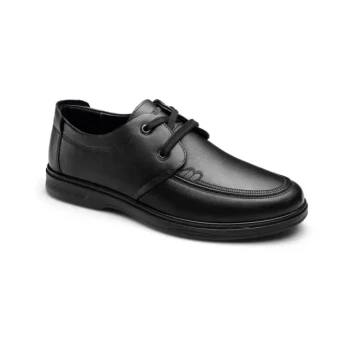
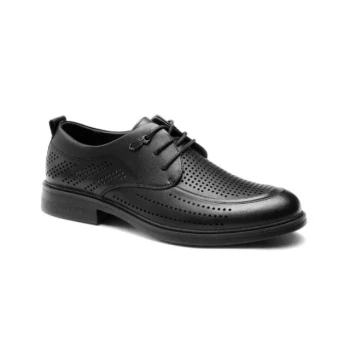
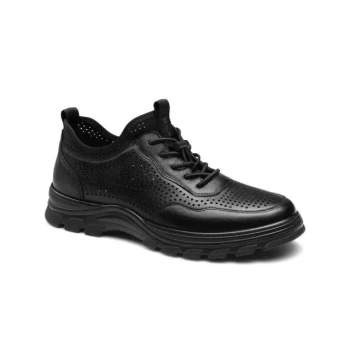
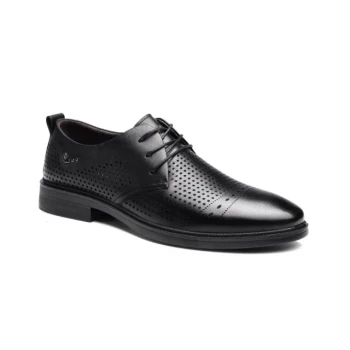
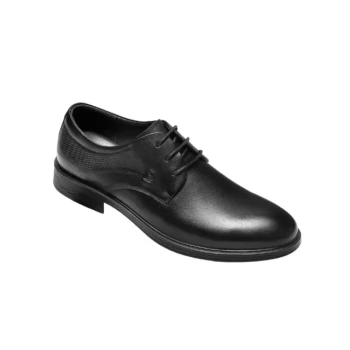
Leather patches serve a dual purpose as distinct visual markers of brand identity and as modular elements ripe for consumer modification. While manufacturers utilize these components to signal material quality and establish a visual signature, their physical assembly often allows for removal. This unique characteristic transforms the patch from a static label into a dynamic tool for value negotiation between the producer and the end-user.
The leather patch acts as a physical negotiation point between mass production and personal identity. By designing these components to be removable, brands allow consumers to either embrace the label or curate a distinct, niche aesthetic by eliminating it.
The Role of the Patch in Product Identity
Visual Brand Symbolism
Leather patches function primarily as material signifiers within the garment's assembly. They are not merely labels; they are tactile indicators of the brand's presence and aesthetic direction.
The presence of a specific patch design communicates the product's origin immediately. It anchors the item within a specific tier of the market, signaling quality to the consumer.
Influence on Product Acceptance
The material quality of the patch directly dictates how different consumer sub-groups receive the product. A high-quality patch can elevate the perceived value of the entire garment.
Conversely, a poorly designed or low-grade patch may deter discerning buyers. The patch is often the first detail scrutinized to judge the overall craftsmanship of the apparel.
The Mechanics of Customization and Value
The Space for Value Negotiation
Because leather patches are often stitched as separate, removable components, they offer a unique opportunity for value negotiation. The manufacturer proposes a branded identity, but the consumer retains the physical ability to alter it.
This separability allows the garment to transcend its original mass-market context. The user can intervene in the assembly process post-purchase to align the product with their personal values.
Eliminating Mass-Market Labels
Certain consumer sub-groups prioritize individual identity over corporate branding. For these users, the ability to remove the leather patch is a feature, not a flaw.
By removing the patch, the consumer eliminates the "mass-market" signifier. This process allows them to maintain a niche or individual identity that feels authentic and unbranded.
Secondary Processing Potential
The design of the patch influences the potential for secondary processing. If a patch is designed to be easily removable, it invites customization.
This empowers the user to modify the garment without damaging the underlying fabric. It turns a finished commercial product into a blank canvas for personal expression.
Understanding the Trade-offs
Brand Visibility vs. User Autonomy
Designing for removability creates a conflict between brand retention and user freedom. If a patch is easily removed, the manufacturer loses its primary visual advertisement on the street.
However, resisting this removability may alienate niche sub-groups. These consumers might reject a product entirely if they cannot easily de-brand it to suit their style.
Material Integrity Risks
The quality of the leather itself is a double-edged sword. High-quality leather encourages retention, as the patch adds aesthetic value beyond the logo.
Low-quality materials, however, accelerate the desire for removal. If the patch degrades faster than the garment, it becomes a liability rather than a branding asset.
Strategic Considerations for Apparel Design
To leverage the dual nature of leather patches effectively, you must decide where your priority lies on the spectrum of branding versus customization.
- If your primary focus is Mass-Market Recognition: Ensure the patch design is integral to the garment's aesthetic and difficult to remove without compromising the structure, enforcing brand visibility.
- If your primary focus is Niche Market Appeal: Prioritize high-quality materials but utilize stitching methods that allow for clean removal, enabling the consumer to personalize the item.
Ultimately, the most successful designs recognize that the patch is not just a label, but a component that facilitates a dialogue between the brand's intent and the user's identity.
Summary Table:
| Function | Key Benefit | Impact on Consumer Perception |
|---|---|---|
| Visual Branding | Material Signifier | Signals quality tier and brand origin. |
| Customization | Removability | Allows users to curate a niche, unbranded aesthetic. |
| Value Negotiation | Post-purchase Alteration | Empowers users to align products with personal identity. |
| Secondary Processing | Material Integrity | High-quality patches encourage retention and add aesthetic value. |
Elevate your brand's footwear line with expert craftsmanship from 3515. As a large-scale manufacturer serving distributors and brand owners, we offer comprehensive production capabilities for all footwear types—from our flagship Safety Shoes and tactical boots to premium leather sneakers and formal dress shoes. Whether you need iconic branding or modular components for customization, our extensive portfolio is built to meet your diverse bulk requirements. Contact us today to learn how we can bring superior quality and value to your next collection.
References
- Susanna Molander, Lisa Peñaloza. Brand Morphogenesis: The Role of Heterogeneous Consumer Sub-Assemblages in the Change and Continuity of a Brand. DOI: 10.1093/jcr/ucac009
This article is also based on technical information from 3515 Knowledge Base .
Related Products
- Wholesale Comfort Leather Business Shoes with Dial Lacing System
- Wholesale Classic Leather Lace-Up Ankle Boots for Brand Manufacturing
- Durable Leather High-Ankle Tactical Boots for Wholesale & Custom Manufacturing
- Dial Closure Leather Business Casual Shoes for Wholesale & Private Label
- Durable Goodyear Welt Leather Work Boots for Wholesale & Private Label
People Also Ask
- What kind of shoes do businessmen wear? Master the Dress Code for Professional Success
- What are the essential business shoes every man should own? Build a Professional Wardrobe Foundation
- What type of boots are suitable for challenging weather conditions in a business setting? | Durable & Professional Footwear
- How does leather compare to other shoe materials in terms of durability and comfort? A Material Guide for Footwear
- What are the options for waterproofing leather shoes? Protect Your Footwear for the Long Haul