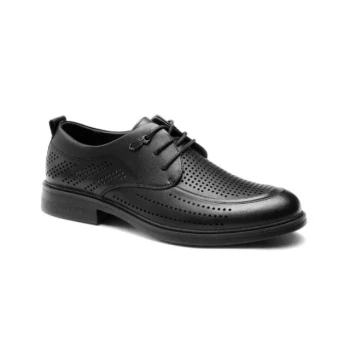
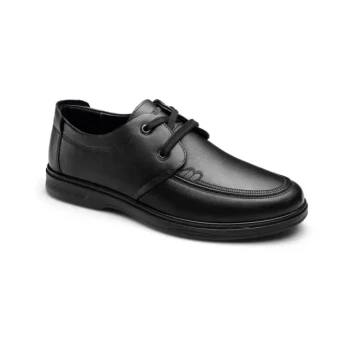
Environmental conditions fundamentally alter the interaction between footwear and artificial turf. High humidity or rain reduces surface friction, requiring training shoes with specialized grip patterns to control sliding maneuvers. Conversely, extreme temperatures cause the turf substrate to harden, making advanced shock absorption essential to prevent impact-related injuries.
The physical properties of artificial turf are not static; they fluctuate significantly with the weather. Professional footwear acts as a critical interface, prioritizing traction in wet conditions to prevent slips and maximum cushioning in heat to counteract the concrete-like hardening of the ground.
The Impact of Moisture and Humidity
Managing Reduced Friction
When exposed to moderate rain or high humidity, artificial turf loses its natural resistance. This reduction in surface friction changes the dynamics of movement, often increasing the speed of the ball and the player.
The Need for Specialized Grip
To counter this, training shoes must feature optimized grip designs. These specialized outsoles allow the athlete to perform safe sliding maneuvers without losing stability. Without this specific traction, the risk of uncontrolled slips increases significantly.
The Impact of High Temperatures
Counteracting Surface Hardening
Extreme heat has a physical effect on the rubber infill and synthetic fibers of the turf. Under high temperatures, the surface properties shift, becoming harder and behaving more like concrete than grass.
The Requirement for Shock Absorption
This surface hardening places immense pressure on the athlete’s joints and ligaments. Consequently, footwear used in hot conditions must possess robust cushioning systems. Sufficient shock absorption is non-negotiable here to offset the ground hardness and prevent physical strain.
Understanding the Trade-offs
The Limits of Technology
While high-performance footwear serves as a sophisticated interface to compensate for surface irregularities, it cannot entirely negate environmental factors. Shoes can provide biomechanical support, but they function best when paired with athlete adaptation.
Balancing Protection and Technique
Even with the best "robust upper protection" and sole hardness, footwear is only part of the solution. Athletes must still consciously adjust their movements—such as turning more cautiously—to maintain safety. Relying solely on the shoe without adjusting technique for the weather is a common pitfall that leads to injury.
Making the Right Choice for Your Environment
Selecting the right equipment requires analyzing your primary training conditions.
- If your primary focus is wet or humid climates: Prioritize footwear with aggressive, specialized grip patterns to manage reduced friction and facilitate controlled sliding.
- If your primary focus is high-heat environments: Prioritize maximum shock absorption and cushioning to protect joints from the increased impact of hardened turf.
True performance stability comes from matching your gear's protective capabilities to the specific physical state of the field.
Summary Table:
| Environmental Factor | Turf Impact | Key Footwear Requirement | Primary Benefit |
|---|---|---|---|
| High Humidity/Rain | Reduced surface friction & slippage | Specialized grip patterns | Controlled sliding & stability |
| Extreme Heat | Surface hardening (concrete effect) | Advanced shock absorption | Joint protection & impact relief |
| Mixed Conditions | Unpredictable surface dynamics | Versatile outsole & upper | Biomechanical support & safety |
Partner with 3515 for High-Performance Footwear Solutions
As a large-scale manufacturer serving global distributors and brand owners, 3515 offers comprehensive production capabilities for all footwear types. Our flagship Safety Shoes series is anchored by rigorous quality standards, while our extensive portfolio includes Professional Training Shoes, Tactical Boots, Outdoor Shoes, and Sneakers designed to withstand extreme environmental challenges.
Whether your market demands superior traction for humid climates or advanced cushioning for high-heat environments, we provide the manufacturing scale and expertise to meet your bulk requirements.
Ready to elevate your product line? Contact us today to discuss your custom manufacturing needs!
References
- Yasin Sahhar, Raymond Loohuis. Characterizing the spaces of consumer value experience in value co-creation and value co-destruction. DOI: 10.1108/ejm-04-2020-0313
This article is also based on technical information from 3515 Knowledge Base .
Related Products
- Lightweight Breathable Training Shoes for Wholesale & Custom OEM Manufacturing
- Wholesale Durable & Breathable Training Shoes for Custom Brands
- Custom OEM Training Shoes Wholesale Manufacturer Durable & Breathable
- Wholesale Training Shoes with Dial Lacing System Custom OEM Manufacturing
- Wholesale Breathable & Cushioned Training Shoes Custom Factory Production
People Also Ask
- Why are lightweight training shoes often preferred over professional hiking boots in urban walking? Maximize City Comfort
- What is the primary role of specialized training or orthopedic shoes? Enhance Safety in Elderly Balance Training
- Why are professional-grade training shoes essential for physical therapy? Ensure Patient Safety and Gait Stability
- Why are the slip-resistance and stability performance of training shoes critical in gait analysis? Ensure Data Accuracy
- Why is the use of flat-soled or professional training shoes essential for WBV? Maximize Vibration Energy Transfer