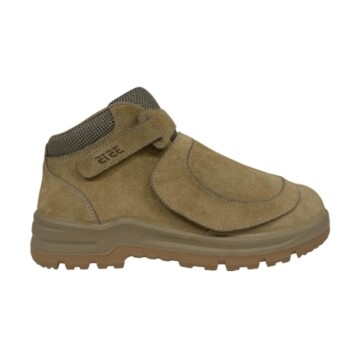
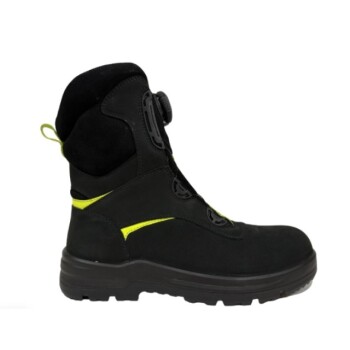
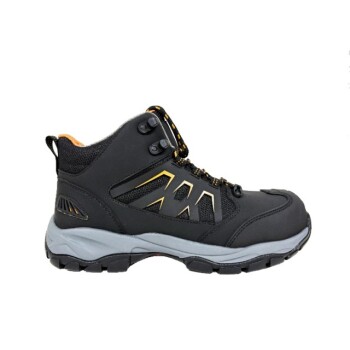
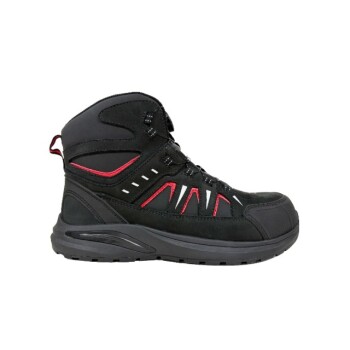
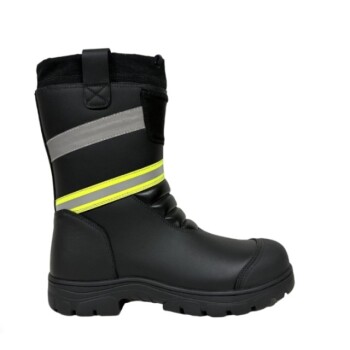
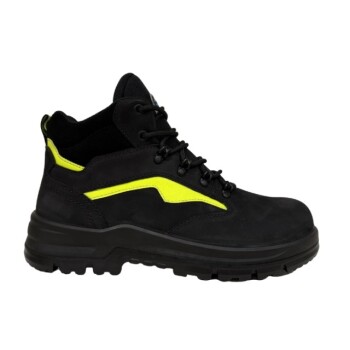
Enclosed safety boots serve as a comprehensive physical shield, effectively sealing the internal foot environment against external industrial variables. By eliminating the gaps found in standard footwear, they mechanically block the ingress of fine particulates like dust and fibers, while simultaneously repelling liquids used in chemical processing.
By acting as an impermeable barrier, enclosed safety boots prevent foreign materials from causing friction-based skin abrasion and chemical contact. This isolation is essential for maintaining foot health in environments dominated by abrasive debris or hazardous fluids.
The Mechanics of Particulate Isolation
Blocking Solid Contaminants
In settings rich in industrial dust, fibers, and debris, standard footwear often allows particles to sift through eyelets or low collars.
Enclosed safety boots eliminate these entry points. This ensures that abrasive materials cannot settle between the sock and the skin.
Preventing Physical Trauma
When foreign particles enter a boot, they create constant friction against the skin during movement.
This friction leads to abrasion and severe inflammation. By maintaining a sealed environment, enclosed boots neutralize this risk entirely.
Fluid Dynamics and Chemical Resistance
Shielding Against Industrial Liquids
Many industrial workflows, such as wet de-husking or dyeing, involve significant exposure to water and chemicals.
Enclosed boots prevent these fluids from penetrating the upper material. This ensures feet remain dry and protected from potential chemical burns or maceration.
Weather and Moisture Management
Beyond industrial fluids, these boots offer protection against variable weather conditions.
Boots utilizing water-resistant leather are sufficient for keeping feet dry during standard rain. However, for fully submerged or extremely wet conditions, waterproof specifications are necessary to ensure total isolation.
Understanding the Trade-offs
Breathability vs. Protection
The primary downside to total environmental isolation is reduced airflow.
Because the boot is designed to keep external elements out, it also traps internal heat and moisture. In hot environments, this can lead to excessive sweating if not managed with moisture-wicking socks.
Flexibility Limitations
To provide a sturdy barrier against debris and chemicals, the materials used are often denser than casual footwear.
This can result in a stiffer feel. Users may experience a slightly longer "break-in" period compared to non-protective footwear.
Making the Right Choice for Your Goal
Selecting the correct level of isolation depends on the specific intensity of your workplace hazards.
- If your primary focus is dry particulate protection: Prioritize boots with a high collar and sealed tongue to prevent dust and fiber ingress, which stops abrasion.
- If your primary focus is wet or chemical environments: Select fully waterproof boots rather than just water-resistant models to prevent saturation during processes like dyeing.
True safety starts with understanding the specific barrier required between you and your environment.
Summary Table:
| Feature | Protection Mechanism | Key Industrial Benefit |
|---|---|---|
| Particulate Blocking | Sealed eyelets & high collars | Prevents skin abrasion from dust and fibers |
| Chemical Resistance | Impermeable upper materials | Protects against chemical burns and fluid saturation |
| Moisture Management | Water-resistant/Waterproof leather | Keeps feet dry during wet processing or rain |
| Internal Environment | Total physical isolation | Eliminates foreign debris entry and friction trauma |
Partner with 3515 for Professional-Grade Footwear Solutions
As a large-scale manufacturer serving distributors and brand owners, 3515 offers comprehensive production capabilities for all footwear types. Our flagship Safety Shoes series is engineered to provide superior environmental isolation, protecting your workforce from the most demanding industrial hazards.
Our extensive portfolio covers:
- Work & Tactical Boots: Built for maximum durability and protection.
- Outdoor & Training Shoes: Combining performance with environmental resilience.
- Sneakers, Dress & Formal Shoes: Versatile options to meet diverse bulk requirements.
Ready to elevate your product line with high-performance protective footwear? Contact us today to discuss your manufacturing needs and see how our expertise can drive value for your brand.
References
- Anindita Tasnim Onni, Bente E. Moen. Prevalence of Occupational Injuries in selected Coir Industries in Sri Lanka: a cross-sectional study. DOI: 10.3126/ijosh.v13i2.48717
This article is also based on technical information from 3515 Knowledge Base .
Related Products
- Premium Wholesale Tactical Style Safety Shoes Boots with Quick Lacing
- Premium Grain Leather Safety Boots for Bulk Supply
- Wholesale Leather Safety Boots with Customizable Protective Toe
- Puncture-Resistant Velcro Safety Boots for Wholesale & Custom Manufacturing
- Heavy-Duty Waterproof Nubuck Safety Boots Safety Shoes for Bulk Supply
People Also Ask
- How are gait analysis research findings applied to the functional design of safety shoes and tactical boots?
- How does anthropomorphic design influence material selection? Enhance Footwear Performance through Biological Alignment
- How do quality certification standards for safety shoes reduce perceived risk? Buy Online with Technical Certainty
- Why is the synchronization of craftsmanship and UX development emphasized for bulk customization of safety shoes?
- How can specialized footwear mitigate safety risks? High-Volume OEM/ODM Solutions since 1951