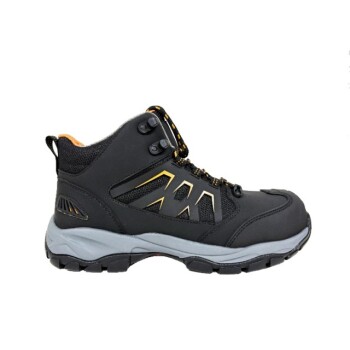
To be clear, boots with ankle support enhance comfort by stabilizing the entire foot and lower leg structure, which significantly reduces the muscular effort required to maintain balance during physical activity. This stabilization prevents the small, repetitive movements that lead to fatigue, soreness, and discomfort over time.
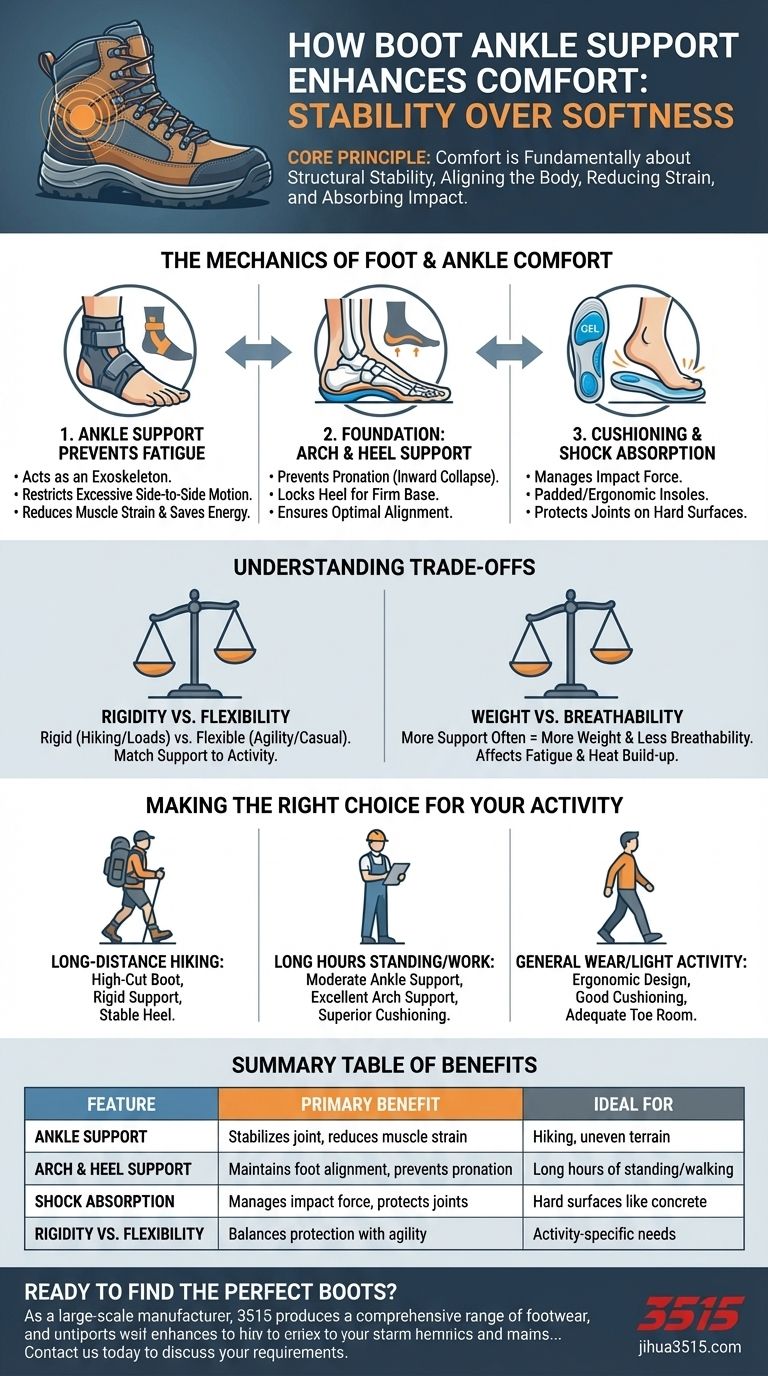
The core principle is that comfort is not merely about softness or cushioning; it is fundamentally about structural stability. Ankle support is a critical component of a larger system that works to align your foot, reduce strain, and absorb impact.
The Mechanics of Foot and Ankle Comfort
True comfort during extended wear comes from a combination of features that support your foot's natural anatomy and function. Ankle support is the most visible part of this system, but it works in concert with other critical elements.
How Ankle Support Prevents Fatigue
When you walk, especially on uneven ground, the small stabilizer muscles in your lower legs and feet are constantly firing to keep your ankle from rolling.
A boot with proper ankle support acts as an external skeleton, or exoskeleton, for your ankle joint.
By restricting excessive side-to-side motion, the boot takes on much of this stabilization work. This dramatically reduces muscle strain and conserves energy, directly translating to less fatigue and soreness.
The Foundation: Arch and Heel Support
Ankle stability begins with the foundation of your foot. Without proper support underneath, the ankle cannot remain in an optimal, stable position.
Orthotic insoles or boots with built-in arch support prevent the foot from collapsing inward (pronation), which keeps the entire leg in better alignment.
A stable heel cup locks the back of your foot in place, providing a firm base that further prevents unwanted movement and enhances overall stability.
The Role of Cushioning and Shock Absorption
While structure provides stability, cushioning manages the force of impact. Every step you take sends shockwaves up through your body.
Padded or ergonomic insoles, often made of gel or memory foam, are designed to absorb this shock.
This feature is especially crucial for those working on hard surfaces like concrete, as it reduces the cumulative stress on joints in the feet, knees, and back.
Understanding the Trade-offs
Choosing the right boot involves balancing support with other factors. More support is not always better for every situation.
Rigidity vs. Flexibility
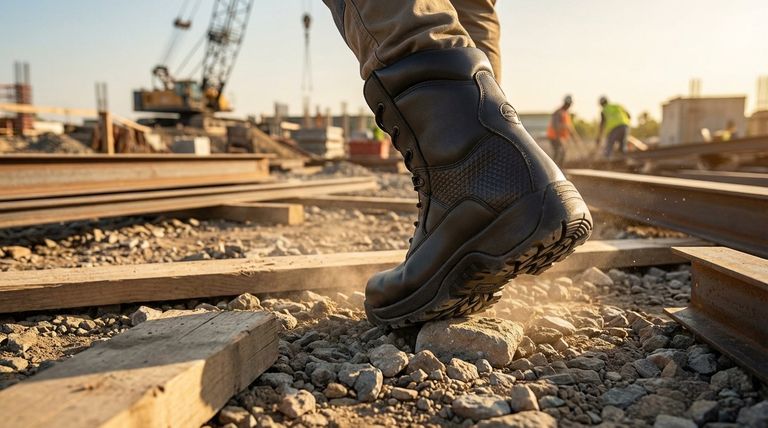
A highly rigid boot with extensive ankle support is excellent for carrying heavy loads over treacherous terrain, as it provides maximum protection against twists and sprains.
However, this same rigidity can feel restrictive and cumbersome for activities requiring more agility or for casual wear. The key is to match the level of support to the demands of the activity.
Weight and Breathability
Often, increased support and durability come from using more and tougher materials. This can add significant weight to the boot.
Heavier boots require more energy to lift with every step, which can contribute to fatigue. Furthermore, less breathable materials can lead to discomfort from heat and moisture buildup.
Making the Right Choice for Your Activity
To select the right boot, you must first define its primary purpose. The optimal balance of features will change depending on your goal.
- If your primary focus is long-distance hiking with a heavy pack: Prioritize a high-cut boot with rigid ankle support and a stable heel to prevent injury and manage the load.
- If your primary focus is standing or walking for long hours at work: Seek a balance of moderate ankle support, excellent arch support, and superior shock-absorbing cushioned insoles.
- If your primary focus is general wear or light activity: Emphasize an ergonomic design with good cushioning and adequate toe room over extreme ankle rigidity.
Ultimately, understanding how these components work together empowers you to choose a boot that actively supports your body's mechanics, ensuring lasting comfort and health.
Summary Table:
| Feature | Primary Benefit | Ideal For |
|---|---|---|
| Ankle Support | Stabilizes joint, reduces muscle strain | Hiking, uneven terrain |
| Arch & Heel Support | Maintains foot alignment, prevents pronation | Long hours of standing/walking |
| Shock Absorption | Manages impact force, protects joints | Hard surfaces like concrete |
| Rigidity vs. Flexibility | Balances protection with agility | Activity-specific needs |
Ready to find the perfect boots for your needs?
As a large-scale manufacturer, 3515 produces a comprehensive range of footwear for distributors, brand owners, and bulk clients. Our production capabilities encompass all types of shoes and boots, designed with the precise balance of ankle support, cushioning, and stability detailed in this article.
We can help you provide footwear that actively enhances comfort and performance for your customers.
Contact us today to discuss your specific requirements and discover how we can support your business.
Visual Guide
Related Products
- Durable High-Ankle Tactical Boots for Wholesale & Custom Manufacturing
- Wholesale Leather Ankle Boots with Lug Soles for Custom Brand Manufacturing
- Durable Leather High-Ankle Tactical Boots for Wholesale & Custom Manufacturing
- Durable High-Ankle Tactical Boots Wholesale Manufacturer for Custom & Bulk Orders
- Wholesale Classic Leather Lace-Up Ankle Boots for Brand Manufacturing
People Also Ask
- How do tactical boots protect against injuries? Discover the Integrated Safety System
- What is the role of high-frequency acquisition hardware in technical skill analysis for outdoor and tactical boots?
- How does additive manufacturing equipment reduce environmental risks? Sustainable Tactics for Modern Footwear Production
- What are the different types of tactical boots available? Find the Right Boot for Your Mission
- How is the compatibility of polymer materials demonstrated in smart footwear? Enhancing Tactical & Training Performance