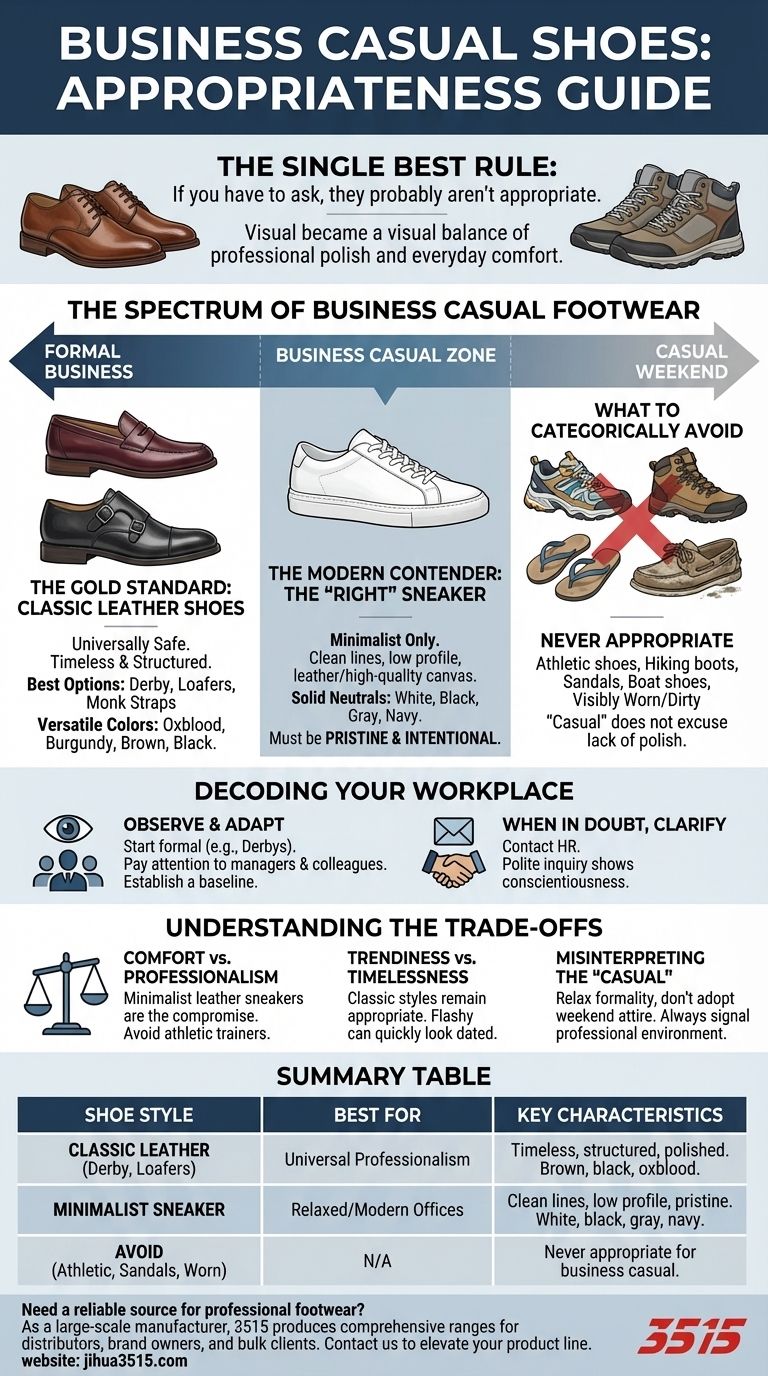
The single best rule for business casual shoes is this: if you have to ask whether they are appropriate, they probably are not. Business casual footwear must strike a careful balance between professional polish and everyday comfort, aiming for a look that is put-together without being as rigid as formal business attire.
The core challenge of "business casual" is its ambiguity. The solution is not to find a single perfect shoe, but to understand the principles of formality and accurately assess your specific workplace environment, always defaulting to being slightly overdressed rather than underdressed.
The Spectrum of Business Casual Footwear
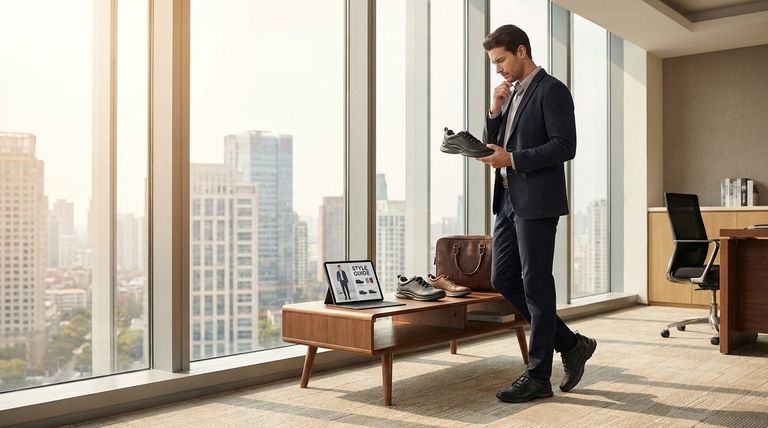
The term "business casual" covers a range of footwear, from classic leather shoes to modern, minimalist sneakers. Understanding where different styles fall on this spectrum is the key to making an appropriate choice.
The Gold Standard: Classic Leather Shoes
For a choice that is universally safe and professional, classic leather styles are the benchmark. These shoes are timeless and project an image of competence.
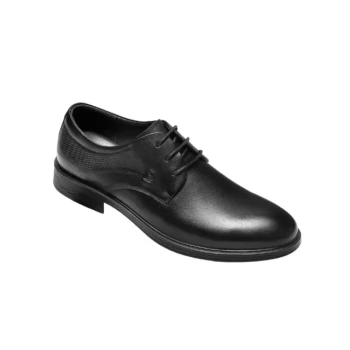
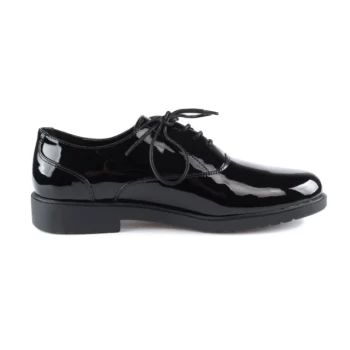
The most reliable options include Derby shoes, loafers, and monk straps. They are structured and elegant but lack the high-formality of an Oxford shoe, placing them perfectly in the business casual zone.
Colors like oxblood or burgundy are particularly versatile, as they are formal enough for most offices while offering more personality than standard black or brown.
The Modern Contender: The "Right" Sneaker
While sneakers can be acceptable, this is where the most mistakes are made. Not all sneakers are created equal.
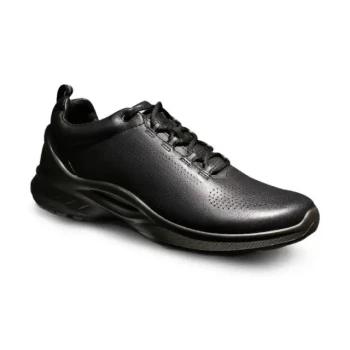
The only type of sneaker appropriate for a business casual setting is a minimalist sneaker. Look for clean lines, a low profile, leather or high-quality canvas uppers, and a solid, neutral color like white, black, gray, or navy.
These shoes should be pristine—free from scuffs, dirt, or visible wear. They are meant to look sharp and intentional, not like you just came from the gym.
What to Categorically Avoid
Some footwear is never appropriate for a business casual environment.
Avoid athletic running shoes, hiking boots, sandals of any kind, boat shoes, and any footwear that is visibly worn, scuffed, or dirty. The "casual" part of the dress code does not excuse a lack of polish.
Decoding Your Specific Workplace
The single most important factor in determining appropriateness is your unique company culture. What is standard in a creative agency is very different from a corporate finance firm.
Observe and Adapt
When starting a new job, the safest strategy is to dress more formally for the first week. Wear your most conservative business casual shoes, like a pair of Derbys.
Pay close attention to what your managers and respected colleagues wear. This will give you the most accurate baseline for what is considered acceptable within your specific environment.
When in Doubt, Clarify
If you are truly unsure before your first day, it is perfectly acceptable to contact the company's HR department for clarification. A simple, polite inquiry shows that you are conscientious and want to make a good impression.
Understanding the Trade-offs
Choosing the right shoe involves balancing competing priorities. Being aware of these trade-offs will help you avoid common missteps.
Comfort vs. Professionalism
Many people opt for sneakers for their comfort, but this can easily backfire. An athletic trainer, no matter how comfortable, will almost always read as unprofessional. Minimalist leather sneakers are the compromise, offering comfort without sacrificing a polished appearance.
Trendiness vs. Timelessness
Flashy, on-trend footwear might seem stylish, but it can quickly look dated and may not project a serious, professional image. Classic styles like loafers or monk straps are a safer investment that will remain appropriate for years.
Misinterpreting the "Casual"
The most common error is over-emphasizing "casual" and forgetting the "business." The goal is to relax the formality of a suit, not to adopt weekend attire. Your appearance should always signal that you are in a professional environment.
Making the Right Choice for Your Goal
Your optimal shoe choice depends on your specific objective and workplace.
- If your primary focus is safety and universal professionalism: Stick to classic leather Derby shoes, loafers, or monk straps in brown, black, or oxblood.
- If your primary focus is modern style in a relaxed office: A clean, minimalist leather sneaker in a solid neutral color is an excellent and comfortable option.
- If your primary focus is navigating a new and unknown environment: Start with your most conservative choice and observe your colleagues before you adapt your style.
Ultimately, your footwear is a deliberate choice that communicates your professionalism and attention to detail.
Summary Table:
| Shoe Style | Best For | Key Characteristics |
|---|---|---|
| Classic Leather (Derby, Loafers) | Universal Professionalism | Timeless, structured, polished look. Colors: brown, black, oxblood. |
| Minimalist Sneaker | Relaxed/Modern Offices | Clean lines, low profile, pristine condition. Colors: white, black, gray, navy. |
| Avoid (Athletic, Sandals, Worn Shoes) | N/A | Never appropriate for a business casual environment. |
Need a reliable source for professional footwear? As a large-scale manufacturer, 3515 produces a comprehensive range of footwear for distributors, brand owners, and bulk clients. Whether you need classic leather business casual shoes or modern minimalist styles, we have the production capabilities and quality assurance to meet your needs. Contact us today to discuss your requirements and elevate your product line.
Visual Guide
Related Products
- Wholesale Comfortable Business Casual Shoes Custom Manufacturing
- Dial Closure Leather Business Casual Shoes for Wholesale & Private Label
- Wholesale Leather Business Casual Shoes with Dial Closure - Manufacturer of Comfort Dress Sneakers
- Wholesale Modern Perforated Leather Derby Shoes with Chunky Sole for Custom Branding
- Custom Manufactured Air Cushion Leather Business Shoes for Wholesale
People Also Ask
- What are the key characteristics of business casual shoes? Achieve Polished Versatility for Your Wardrobe
- Which types of shoes should be avoided with business casual attire? Maintain a Polished Professional Image
- What should be considered when selecting shoes for a casual business setting? Achieve the Perfect Balance of Style and Comfort
- What is the recommended approach to trying on business casual shoes? Ensure a Perfect Fit for Your Workday
- What are some types of business casual shoes? Build a Versatile & Professional Footwear Wardrobe