Material engineering and ergonomic design mitigate these risks by integrating high-performance breathable membranes to regulate body temperature and utilizing decompression materials to redistribute physical load. By focusing on moisture permeability and strategic pressure alleviation—such as cushioned insoles or skin-protective films—designers can significantly reduce physiological stress and tissue damage during extended wear.
The core challenge is not just protection, but sustainability of use. Advanced PPE must function as an active comfort system, balancing a secure seal with breathable, pressure-distributing materials to prevent users from compromising safety due to physical exhaustion or pain.
Combating Heat Intolerance Through Material Science
The Role of Breathable Membranes
Heat intolerance is primarily addressed through advanced equipment design that incorporates high-performance breathable membranes. These materials allow for air circulation without compromising the protective barrier required for safety.
Managing Moisture Permeability
Beyond simple airflow, effective material engineering focuses on moisture permeability. By allowing sweat vapor to escape rather than accumulate against the skin, these materials prevent the rapid rise in body temperature that leads to heat stress.
Specialized Footwear Linings
In safety boots, heat management is achieved through breathable linings. These components work in tandem with the outer materials to maintain a stable microclimate around the foot, reducing the physiological strain associated with overheating.
Mitigating Pressure Injuries with Ergonomic Design
Redistribution of Force
Pressure injuries, often caused by the tight fit required for safety, are mitigated by improving pressure distribution. Ergonomic features shift the load away from vulnerable focal points, spreading it across a wider surface area to prevent tissue damage.
Preventing Tissue Ischemia
Prolonged compression from elastic bands on masks and goggles can lead to skin tissue ischemia (restriction in blood supply) and nerve compression. To counter this, engineers utilize decompression-designed elastic materials that maintain a seal without exerting excessive force on the vascular system.
Cushioning High-Contact Areas
Specific ergonomic interventions target critical contact points, such as the bridge of the nose and behind the ears. Incorporating skin-protective films or pressure-reducing consumables in these areas effectively alleviates the risk of pressure sores and headaches.
Impact Absorption in Footwear
For lower-body protection, cushioned insoles are a critical ergonomic feature. They absorb the repetitive impact of walking on hard surfaces, reducing fatigue and protecting the musculoskeletal system during long shifts.
The Critical Link Between Comfort and Compliance
Reducing Psychological and Physical Stress
The comfort design of PPE—encompassing breathability, weight distribution, and ergonomics—is not a luxury; it is a safety necessity. Medical practitioners often face high psychological and physical stress, which is exacerbated by poorly designed, uncomfortable equipment.
Preventing Improper Removal
When equipment causes significant physical discomfort or restricted movement, users are more likely to remove it improperly or prematurely. Optimizing ergonomic elements ensures that practitioners remain protected and compliant throughout the entire duration of clinical care.
Understanding the Trade-offs
The Seal vs. Comfort Conflict
A fundamental challenge in PPE design is the tension between a secure seal and user comfort. Elastic bands must exert physical compression to filter contaminants effectively, yet this same compression causes the tissue damage described above.
Material Durability vs. Breathability
High-performance breathable membranes often face a trade-off regarding durability. Increasing moisture permeability can sometimes compromise the structural integrity or chemical resistance of the material, requiring careful engineering to balance protection with metabolic cooling.
Making the Right Choice for Your Goal
To select or design the most effective PPE, you must prioritize based on the specific operational environment:
- If your primary focus is reducing heat stress: Prioritize gear featuring high-performance breathable membranes and moisture-permeable linings to facilitate thermoregulation.
- If your primary focus is preventing facial pressure injuries: Select equipment that utilizes decompression-designed elastics and skin-protective films at key contact points like the nose bridge.
- If your primary focus is ensuring protocol compliance: Choose ergonomic designs that optimize weight distribution to minimize the physical irritation that leads to improper removal.
True safety is achieved only when the protective gear is comfortable enough to be worn correctly for the entire duration of the hazard exposure.
Summary Table:
| Challenge | Engineering Solution | Key Benefit |
|---|---|---|
| Heat Intolerance | Breathable Membranes & Moisture Permeability | Regulates body temperature and allows sweat vapor escape |
| Pressure Injuries | Decompression-designed Elastics & Force Redistribution | Prevents tissue ischemia and nerve compression |
| Physical Fatigue | Cushioned Insoles & Weight Distribution | Reduces musculoskeletal strain and impact absorption |
| User Non-compliance | Ergonomic Fit & Optimized Microclimate | Increases comfort to prevent improper or premature removal |
Elevate Your Fleet's Safety with 3515 Footwear
As a large-scale manufacturer serving distributors and brand owners, 3515 offers comprehensive production capabilities for all footwear types, anchored by our flagship Safety Shoes series. Our advanced material engineering directly addresses heat intolerance and pressure fatigue, ensuring your team stays protected and comfortable during extended shifts.
Our extensive portfolio covers:
- Work & Tactical Boots with high-performance breathable linings.
- Outdoor & Training Shoes designed for impact absorption.
- Sneakers & Dress/Formal Shoes to meet diverse bulk requirements.
Don't compromise on safety or comfort. Contact us today to discuss your bulk manufacturing needs and discover the value our ergonomic designs bring to your brand.
References
- Dina Ali, Rehab El-Sokkary. Attitude and practices of personal protective equipment, telemedicine, and social distance among health care workers during COVID-19 pandemic: An international study. DOI: 10.21608/mid.2023.181062.1425
This article is also based on technical information from 3515 Knowledge Base .
Related Products
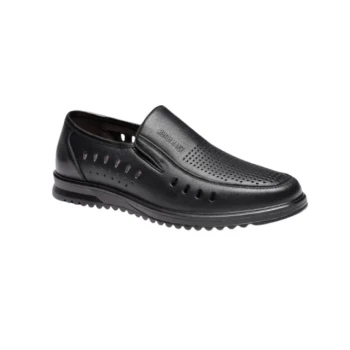
- Wholesale Breathable Perforated Slip-On Loafers Custom Manufacturing
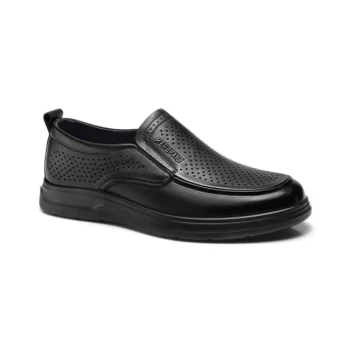
- Men's Breathable Perforated Loafers Wholesale & OEM Manufacturing
People Also Ask
- What are slip-on loafers and how should they be styled for a business casual look?
- What is the primary function of adding naked grain spawn as a substrate in sandwich-structured fungal insoles?
- Why is the inclusion of an IMU necessary for clinical assessment in sensing insoles? Unlock Actionable Gait Data
- How can aftermarket insoles improve shoe fit? The Ultimate Guide to Adjusting Shoe Volume
- What are the primary manufacturing advantages of 3D printing for therapeutic insoles? Revolutionizing Custom Orthotics