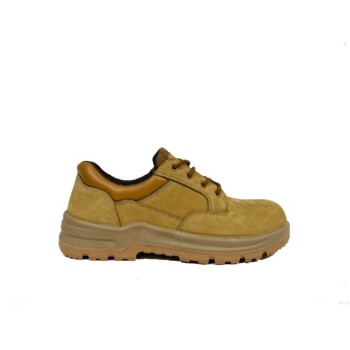
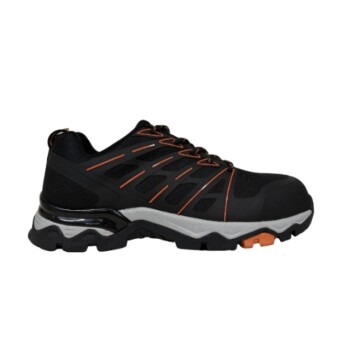
Ergonomic safety shoe design is critical because it directly mitigates physical fatigue and Work-related Musculoskeletal Disorders (WMSDs). By utilizing advanced features like arch support and shock-absorption technology, these shoes enable workers to maintain physical stamina and focus during prolonged standing, heavy manual labor, and movement across complex terrains.
Effective footwear design is not just about impact protection; it is a foundational element of workforce efficiency. By aligning safety features with human physiology, organizations reduce injury rates, ensure higher compliance with safety protocols, and stabilize long-term productivity.
The Physical Mechanics of Performance
Combatting Musculoskeletal Disorders
Work-related Musculoskeletal Disorders (WMSDs) are a primary adversary of productivity. Professional ergonomic design serves as a central factor in reducing the risk of these debilitating conditions.
By stabilizing the foot, these shoes prevent the upward transfer of stress that damages joints and muscles over time.
Reducing Fatigue Through Technology
Fatigue is the silent killer of performance. Ergonomic safety shoes integrate shock-absorption technology and specialized sole structures to cushion every step.
This significantly alleviates the physical drain caused by walking on hard surfaces or standing for hours. When physical fatigue is managed, workers sustain higher energy levels throughout their shifts.
Navigating Complex Environments
Industrial environments are rarely flat or forgiving. Optimized shoe design assists workers in navigating complex terrains safely.
This stability allows for confident, efficient movement during repetitive tasks, reducing the micro-pauses and hesitations associated with poor footing.
The Psychology of Compliance
The Comfort-Compliance Link
There is a direct correlation between perceived comfort and safety violations. Research indicates that if workers view safety shoes as inconvenient or uncomfortable, they often exhibit resistance.
This resistance leads to inconsistent use, exposing the worker to injury and the company to liability.
Eliminating Psychological Burden
Heavy, ill-fitting gear creates a psychological burden. By utilizing lightweight materials and ergonomic fits, organizations can eliminate this mental friction.
When the protective gear feels natural rather than burdensome, the actual compliance rate for Personal Protective Equipment (PPE) increases significantly without the need for constant enforcement.
Understanding the Risks and Trade-offs
The Cost of Inadequate Protection
Ignoring ergonomic standards is a calculated risk with poor odds. Statistics show that 7% of workplace accident injuries involve foot injuries.
Beyond the human cost, labor inspections can sanction employers who fail to provide suitable safety shoes.
Balancing Protection and Weight
A common historical trade-off was choosing between high protection (heavy) and comfort (light). Modern ergonomic design bridges this gap by using high-strength, lightweight materials.
Failing to upgrade to these modern standards forces workers to choose between being safe and being mobile, a compromise that degrades performance.
Making the Right Choice for Your Workforce
To maximize both safety and performance, align your footwear selection with your specific operational goals.
- If your primary focus is reducing chronic injury (WMSDs): Prioritize shoes with advanced arch support and superior shock-absorption technology to minimize long-term joint stress.
- If your primary focus is increasing safety compliance: Select models featuring lightweight materials and ergonomic fits to reduce the psychological burden and resistance associated with wearing PPE.
True ergonomic safety footwear transforms a mandatory requirement into a performance-enhancing asset.
Summary Table:
| Feature | Performance Benefit | Impact on Workforce |
|---|---|---|
| Arch Support | Mitigates Musculoskeletal Disorders (WMSDs) | Reduces long-term joint stress and injury rates |
| Shock Absorption | Minimizes physical fatigue from hard surfaces | Sustains higher energy levels throughout shifts |
| Lightweight Materials | Increases PPE compliance and mobility | Eliminates psychological burden and resistance |
| Optimized Soles | Enhanced stability on complex terrains | Ensures confident, efficient movement and safety |
Elevate Your Workforce Performance with 3515 Footwear
As a leading large-scale manufacturer serving global distributors and brand owners, 3515 delivers the ergonomic excellence your clients demand. Our flagship Safety Shoes series is engineered to bridge the gap between heavy-duty protection and lightweight comfort, ensuring peak worker performance and total safety compliance.
From tactical and work boots to outdoor and dress shoes, our comprehensive production capabilities meet diverse bulk requirements with uncompromised quality. Partner with 3515 today to provide your market with footwear that transforms mandatory PPE into a high-performance asset.
References
- Ranjana Koirala, Ankit Nepal. Literature Review on Ergonomics, Ergonomics Practices, and Employee Performance. DOI: 10.3126/qjmss.v4i2.50322
This article is also based on technical information from 3515 Knowledge Base .
Related Products
- Premium Safety Shoes with Rotating Buckle Safety Sneakers
- Premium Lightweight Safety Shoes for Wholesale & Bulk Orders
- Premium Suede Sport Safety Shoes for Wholesale & Bulk Orders
- Advanced KPU Athletic Safety Shoe with Steel Toe Cap Anti-Slip Rotary Lacing System
- Customizable Slip-On Safety Shoes Direct from the Factory for Wholesale
People Also Ask
- How do complex outsole tread designs in safety shoes work with coated floors? Master Slip Resistance Engineering
- Why should ergonomics and comfort be prioritized when selecting safety shoes? Boost Compliance & Worker Health
- What role do specialized safety shoes play in preventing falls? Engineering Stability in Industrial Environments
- What happens during the cutting stage of safety shoes manufacturing? Precision, Process & Quality
- What are the main safety features of S1-S5 shoes? The 3 Essential Protections Explained