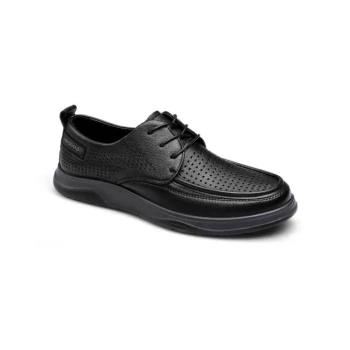
Optimizing footwear for hallux valgus requires a fundamental shift from rigid uniformity to targeted flexibility in the shoe's upper structure. The most effective solution involves incorporating seamless construction and integrating high-elasticity material zones directly over bony protrusions. By optimizing upper patterns and material combinations, designers can maintain necessary protection while eliminating the localized pressure peaks that cause pain at sensitive contact points.
To effectively accommodate foot deformities, the design must decouple structural support from surface contact. By placing flexible materials over protrusions and moving rigid seams elsewhere, you ensure protection without compressing sensitive anatomy.
Strategic Material placement
Integrating High-Elasticity Zones
The primary source of pain in hallux valgus is rigid material compressing the bony protrusion. To mitigate this, design specifications should call for high-elasticity zones specifically located at the medial forefoot.
These zones allow the upper to expand dynamically with the deformity. This prevents the "vice-like" grip of traditional materials, significantly reducing localized pressure peaks.
Balancing Material Combinations
A shoe cannot be entirely elastic, or it will lack support. The solution lies in distinct material combinations.
Designers should use rigid materials in the heel and midfoot for stability, transitioning to softer, compliant materials in the forefoot. This ensures the footwear provides protection for the foot as a whole without irritating the bunion.
Advanced Construction Techniques
The Importance of Seamless Construction
Stitching lines and seams are inherently less flexible than the materials they join. When a seam sits on top of a hallux valgus protrusion, it creates a concentrated friction point.
Adopting a seamless construction method eliminates these rigid lines. This removes the risk of abrasion and allows the upper material to stretch uniformly over the deformity.
Optimizing Upper Patterns
The geometry of the shoe's upper pattern plays a critical role in comfort. Patterns must be optimized to ensure that any necessary structural reinforcements avoid the medial metatarsal area entirely.
By shifting structural lines away from sensitive contact points, the shoe creates a "pressure-free pocket" for the deformity. This allows the foot to sit naturally within the shoe rather than fighting against the structure.
Understanding the Trade-offs
Stability vs. Accommodation
While increasing elasticity reduces pain, excessive flexibility can compromise stability. If the entire upper is too stretchy, the foot may slide laterally during movement, potentially exacerbating other biomechanical issues.
Durability Concerns
High-elasticity materials often possess lower abrasion resistance than rigid leathers or synthetics. Creating zones of soft material over a protrusion—which is a high-friction area—may lead to premature wear if the materials are not carefully selected for durability.
Making the Right Design Choices
To solve the conflict between structural integrity and deformity accommodation, apply these principles based on your specific objective:
- If your primary focus is immediate pain relief: Prioritize a fully seamless, knit-style upper construction to eliminate all potential friction points.
- If your primary focus is structural support: Use rigid materials for the chassis but incorporate an isolated "window" of high-elasticity mesh strictly over the medial forefoot.
Success lies in engineering a shoe that protects the foot structurally while remaining invisible to the deformity.
Summary Table:
| Optimization Category | Design Strategy | Functional Benefit |
|---|---|---|
| Material Placement | High-elasticity zones at medial forefoot | Reduces localized pressure on bony protrusions |
| Construction | Seamless upper integration | Eliminates friction points and rigid abrasion zones |
| Pattern Geometry | Shifting structural lines away from metatarsals | Creates a "pressure-free pocket" for the deformity |
| Material Balance | Rigid heel/midfoot with soft forefoot | Maintains stability while accommodating foot shape |
| Design Trade-off | Targeted elasticity vs. full flexibility | Balances pain relief with necessary structural support |
Partner with 3515 for Advanced Footwear Solutions
As a large-scale manufacturer serving distributors and brand owners worldwide, 3515 offers comprehensive production capabilities to solve complex footwear challenges like deformity accommodation. Whether you are developing specialized medical-grade comfort shoes or integrating ergonomic features into a broader line, our flagship Safety Shoes series and extensive portfolio—including work and tactical boots, outdoor shoes, training shoes, and sneakers—are anchored in structural excellence.
We help you balance durability with user comfort, ensuring your bulk requirements are met with precision-engineered quality and innovative material application. From formal dress shoes to rugged utility boots, let us bring your technical designs to life.
Ready to optimize your product line? Contact us today to discuss your manufacturing needs!
References
- Ana Cláudia Antunes, Alexandre Amorim dos Reis. Desconforto em calçados segundo a percepção do público idoso feminino. DOI: 10.5965/1982615x15372022218
This article is also based on technical information from 3515 Knowledge Base .
Related Products
- Wholesale Waterproof Tactical Boots Custom Suede & High-Traction Soles
- Durable High-Ankle Tactical Boots Wholesale Manufacturer for Custom & Bulk Orders
- Wholesale Breathable Training Shoes Custom Athletic Footwear Manufacturer
- Durable Leather High-Ankle Tactical Boots for Wholesale & Custom Manufacturing
- Wholesale Durable Camouflage Canvas Shoes with High-Traction Cleated Rubber Sole
People Also Ask
- What waterproof technology is used in tactical boots? Unlock All-Weather Performance & Protection
- What are the advantages and disadvantages of waterproof tactical boots? A Guide to the Key Trade-Offs
- What is the significance of waterproof functionality in tactical boots? Essential for Health & Performance
- What is the role of professional 3D medical imaging software in optimizing tactical boot design and performance?
- What features enhance breathability and comfort in tactical boots? A Guide to Superior Footwear Performance