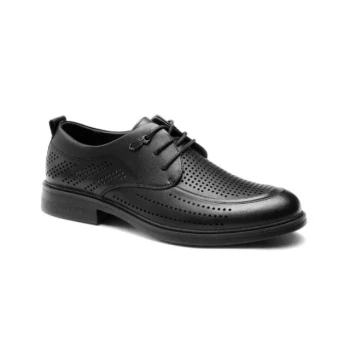
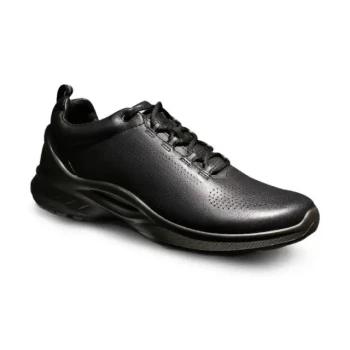
To make eco-friendly choices when purchasing trekking shoes, you must look beyond marketing claims and focus on two fundamental areas: the materials used in construction and the transparency of the brand's manufacturing processes. Prioritize shoes made from recycled or sustainably sourced materials and support brands that are open about their ethical labor practices and environmental impact.
The most sustainable trekking shoe is not just one made from green materials; it is a durable, high-performance shoe that perfectly matches your specific needs, ensuring it lasts for years and stays out of a landfill.
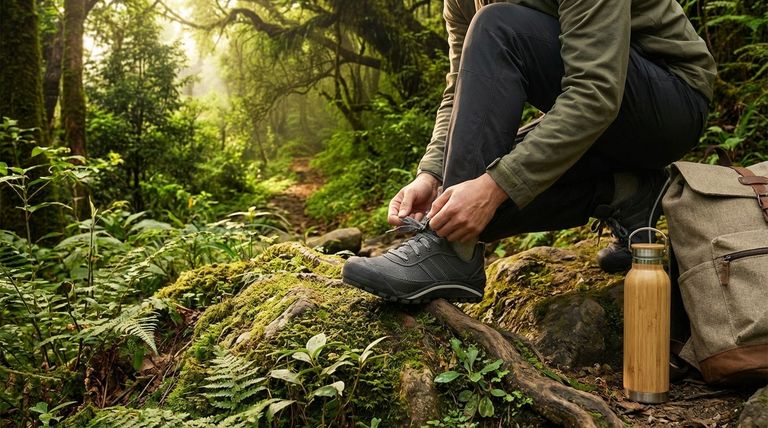
Deconstructing the "Eco-Friendly" Shoe
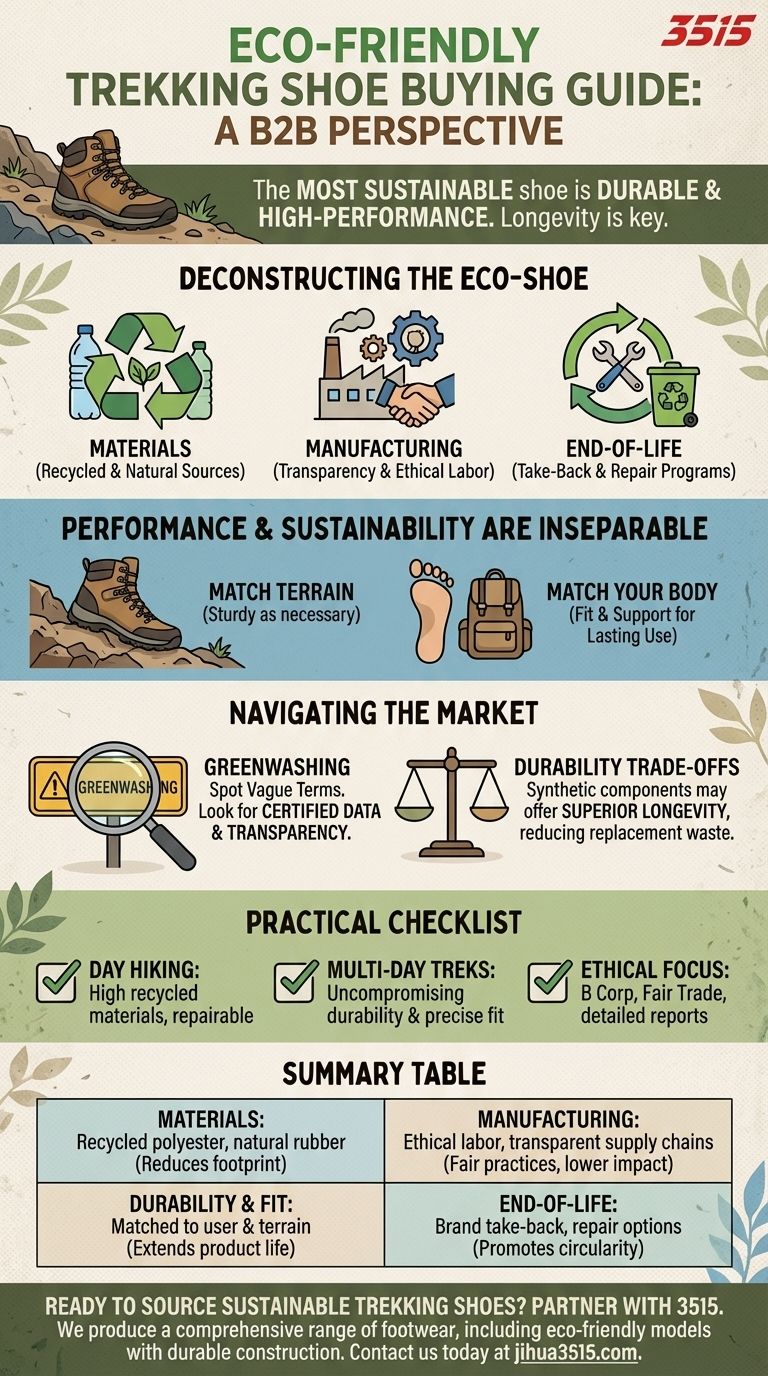
True sustainability in outdoor gear is a complex equation involving a product's entire lifecycle. To make an informed choice, you need to assess several key components.
The Impact of Materials
The raw materials are your first checkpoint. Look for brands that explicitly state their use of recycled content, such as recycled polyester for uppers or recycled rubber for outsoles.
Also, consider sustainably sourced natural materials. For instance, some brands opt for natural rubber over synthetic alternatives like PVC, which has a more significant environmental footprint.
The Importance of Manufacturing
A shoe's origin story matters. Seek out brands that are transparent about their supply chains and have certifications for ethical labor practices.
Brands committed to sustainability often publish their policies and may be part of sustainability indexes or coalitions that hold them accountable for their environmental and social impact.
End-of-Life Considerations
Think about what happens to the shoes when you're done with them. While a fully recyclable shoe is still rare, some brands offer take-back or repair programs to extend the product's life and reduce waste. Durability is a key component of sustainability.
Performance and Sustainability Are Inseparable
An "eco-friendly" shoe that fails on the trail is the opposite of sustainable. It becomes waste and requires a replacement, doubling the environmental cost. The most critical aspect of a sustainable purchase is ensuring the shoe is right for you.
Match the Shoe to the Terrain
The rule of thumb is to select a shoe that is as sturdy as necessary for your intended use, but as light as possible. A flimsy shoe used on rugged terrain will wear out prematurely.
Conversely, an overly rigid mountaineering boot used for simple day hikes is overkill and represents inefficient use of resources.
Match the Shoe to Your Body
Your personal needs, or morphology, are paramount. Factors like your foot shape, pronation, and tendency to twist ankles should guide your choice.
The weight of your backpack also dictates the level of support you need. A well-chosen shoe that fits correctly and provides adequate support will last longer and serve you better.
Understanding the Trade-offs
Navigating the market for sustainable goods requires a critical eye. Not all claims are equal, and sometimes the "best" choice involves a compromise.
Spotting "Greenwashing"
Be wary of vague terms like "eco-friendly" or "natural" without specific proof. Look for concrete data, such as the percentage of recycled content or recognized third-party certifications (e.g., Fair Trade, B Corp). True transparency is the hallmark of a genuinely committed brand.
The Durability Dilemma
Sometimes, the most durable and high-performance material for a specific component may be a synthetic one. While a synthetic upper might have a higher initial carbon footprint than a natural fiber, its superior longevity could make it the more sustainable choice over time by preventing the need for multiple replacements.
A Practical Checklist for Your Next Purchase
Use your specific goals to guide your decision-making process.
- If your primary focus is light day hiking: Prioritize shoes made with a high percentage of recycled materials and from brands with transparent repair or take-back programs.
- If your primary focus is demanding, multi-day treks: Emphasize durability and a precise fit for your needs, as a long-lasting shoe is the most sustainable option for high-wear situations.
- If your primary focus is ethical production: Look for brands with B Corp or Fair Trade certifications and those that publish detailed transparency reports about their supply chain.
Ultimately, a conscious purchase that balances material innovation with uncompromising durability is the most responsible choice you can make.
Summary Table:
| Key Factor | What to Look For | Why It Matters |
|---|---|---|
| Materials | Recycled polyester, natural rubber, high recycled content | Reduces resource use and environmental footprint |
| Manufacturing | Ethical labor certifications, transparent supply chains | Ensures fair practices and lower environmental impact |
| Durability & Fit | Shoes matched to your terrain, body type, and load | Extends product life, reducing waste and replacement needs |
| End-of-Life | Brand take-back or repair programs | Promotes circularity and minimizes landfill waste |
Ready to Source Sustainable Trekking Shoes? Partner with 3515.
As a large-scale manufacturer, 3515 produces a comprehensive range of footwear for distributors, brand owners, and bulk clients. Our production capabilities encompass all types of shoes and boots, including eco-friendly models built with recycled materials and durable construction for long-lasting performance.
Let us help you create or source trekking shoes that meet both sustainability goals and market demands. Contact us today to discuss your manufacturing needs!
Visual Guide
Related Products
- Durable Rubber Sole Outdoor Shoes Wholesale & Custom Manufacturing
- Wholesale Durable Camouflage Canvas Shoes with High-Traction Cleated Rubber Sole
- Wholesale Durable Camo Canvas Shoes with High-Traction Rubber Soles
- Wholesale Waterproof Tactical Boots Custom Suede & High-Traction Soles
- Durable Leather High-Ankle Tactical Boots for Wholesale & Custom Manufacturing
People Also Ask
- What is the function of the sole in outdoor shoes? Find the Perfect Grip and Support
- What role do outdoor shoes and sneakers play in navigating external terrains? Engineered Stability for Every Surface
- How is AI utilized in the design of outdoor and safety footwear? Harnessing Big Data for Market-Driven Shoe Innovation
- Why is durability important when selecting outdoor shoes? A Guide to Safety & Long-Term Value
- What are the key components of outdoor shoes that affect comfort and sturdiness? A Guide to Durable, High-Performance Footwear