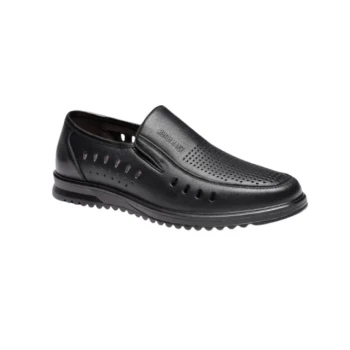
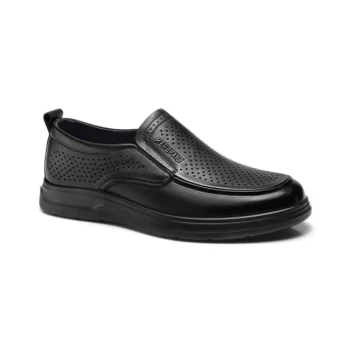
Specialized thin plastic covers serve as precise friction modifiers. In footwear stability experiments, these covers are applied directly to the soles of test shoes to drastically reduce the traction between the subject and the walking surface. This modification allows researchers to create controlled, low-friction environments within a laboratory setting without needing actual ice or contaminants.
By lowering the friction coefficient to values as low as 0.19, these covers allow researchers to simulate extreme slippery conditions like ice to evaluate both shoe performance and human neuromuscular adaptation.
The Mechanics of Friction Simulation
Precise Control of Grip
The primary utility of these covers is the ability to manipulate the interaction between the shoe and the floor. By masking the shoe's original outsole material, researchers can standardize the level of grip across different trials.
Achieving Low-Friction Values
To simulate dangerous conditions effectively, the friction must be significantly reduced. The specialized plastic allows the coefficient of friction to be dropped to approximately 0.19.
Replicating Ice Conditions
A friction coefficient of 0.19 is not an arbitrary number; it closely mimics the slipperiness of natural ice. This provides a high-fidelity environment for testing stability without leaving the lab.
Research Objectives and Applications
Evaluating Footwear Architecture
Researchers use these covers to stress-test shoe designs. By removing the advantage of high-grip rubber, they can isolate how well the shoe's structure and stability features perform under pressure.
Studying Neuromuscular Adaptation
The experiments go beyond testing the hardware. They also analyze how the human body responds to the sudden loss of traction.
Measuring Biological Response
Scientists observe how the neuromuscular system adapts to the low-friction environment. This includes monitoring changes in gait, posture, and muscle engagement used to prevent falls.
Understanding the Trade-offs
Simulation vs. Reality
While effective, using plastic covers is a simulation. It replicates the friction of ice but may not perfectly mimic the surface texture or unevenness found in outdoor winter environments.
Material Consistency
The reliability of the data depends on the integrity of the plastic covers. Researchers must ensure the covers are applied uniformly to maintain the target friction coefficient of 0.19 throughout the experiment.
Making the Right Choice for Your Research
When designing a stability experiment, the use of friction-reducing covers depends on your specific variables of interest.
- If your primary focus is mechanical validation: Use these covers to neutralize the outsole's grip, forcing the shoe's internal stability features to do the work.
- If your primary focus is human factors: Apply this method to safely induce slip-recovery mechanisms in subjects to study neuromuscular reaction times and adaptation strategies.
This methodology transforms a standard dry floor into a rigorous testing ground for stability and safety.
Summary Table:
| Feature | Specification/Detail |
|---|---|
| Material Type | Specialized Thin Plastic Covers |
| Target Friction Coefficient | Approximately 0.19 |
| Primary Simulated Surface | Natural Ice |
| Core Research Goal | Evaluate footwear stability & neuromuscular adaptation |
| Key Outcome | Isolation of shoe architecture performance from outsole grip |
Elevate Your Footwear Standards with 3515
As a premier large-scale manufacturer serving global distributors and brand owners, 3515 leverages advanced engineering to ensure every pair of shoes meets rigorous safety and stability benchmarks. Our comprehensive production capabilities allow us to translate experimental insights into high-performance footwear. Whether you require our flagship Safety Shoes, tactical boots, outdoor gear, or formal dress shoes, we provide the scale and precision your brand deserves.
Partner with a leader in footwear innovation. Contact us today to discuss your bulk requirements and discover how our expertise in stability and traction can enhance your product portfolio.
References
- Thomas A. Wenzel, Tyler N. Brown. Surface, but Not Age, Impacts Lower Limb Joint Work during Walking and Stair Ascent. DOI: 10.3390/jfmk8040145
This article is also based on technical information from 3515 Knowledge Base .
Related Products
- Lightweight Breathable Sneakers with Wet-Traction Grip for Wholesale & Private Label
- Wholesale Breathable Perforated Slip-On Loafers Custom Manufacturing
- Wholesale Lightweight Cushioned Athletic Sneakers for Custom Bulk Production
- Wholesale Breathable Athletic Sneakers - Custom Lightweight Cushioned Footwear Manufacturer
- Wholesale Modern Comfort Shoes with Dial Closure for Private Label & Bulk Orders
People Also Ask
- Why are breathable sneakers necessary for tropical commuting? Stay Cool and Dry in High Humidity
- What role do lightweight training shoes play in urban traffic? Boost Agility and Reaction for Safer City Navigation
- How do lightweight shoes provide support? The Science of Efficient Cushioning & Stability
- What are the style advantages of lightweight shoes? Sleek, Versatile & Modern Comfort
- How do lightweight shoes improve breathability? Discover the Science of Cool, Dry Feet