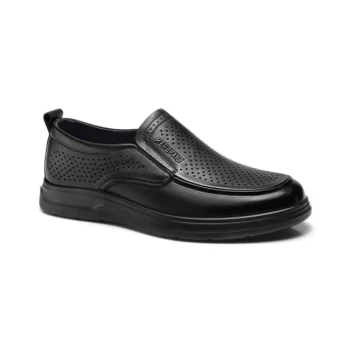
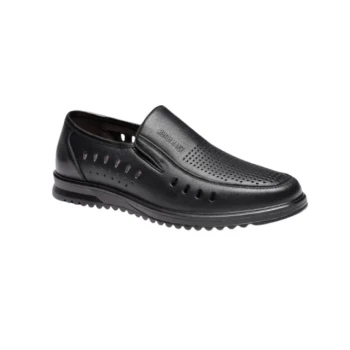
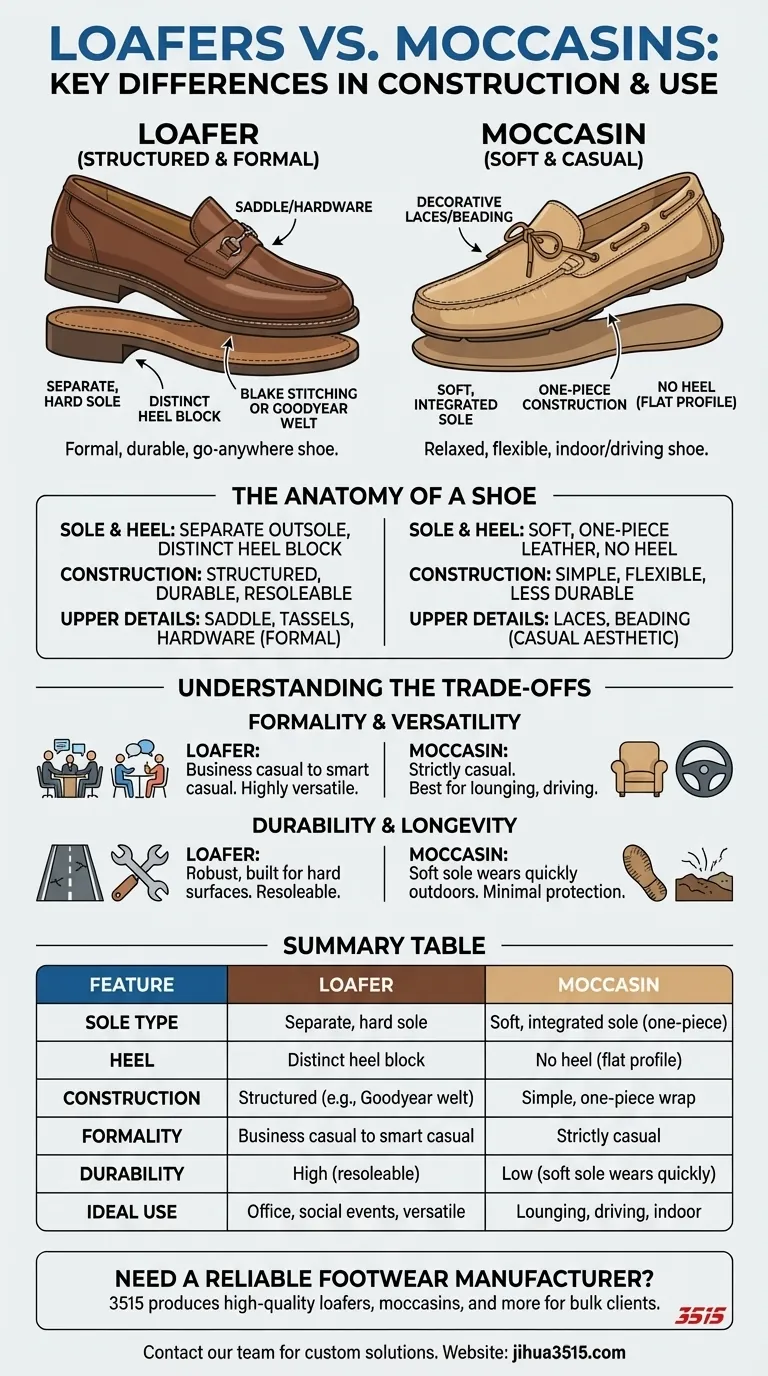
At their core, the primary difference between loafers and moccasins lies in their construction and sole. Loafers are defined by having a separate, hard sole and a distinct heel, making them a more structured, formal shoe. In contrast, moccasins have a soft, one-piece construction where the sole and sides are made from the same piece of leather, resulting in a flat, heelless profile.
While both are slip-on shoes often made of leather, the key distinction is structural: loafers have a separate, hard sole with a heel, while moccasins have a soft, integrated sole without a heel. This fundamental difference dictates their formality, durability, and ideal use case.
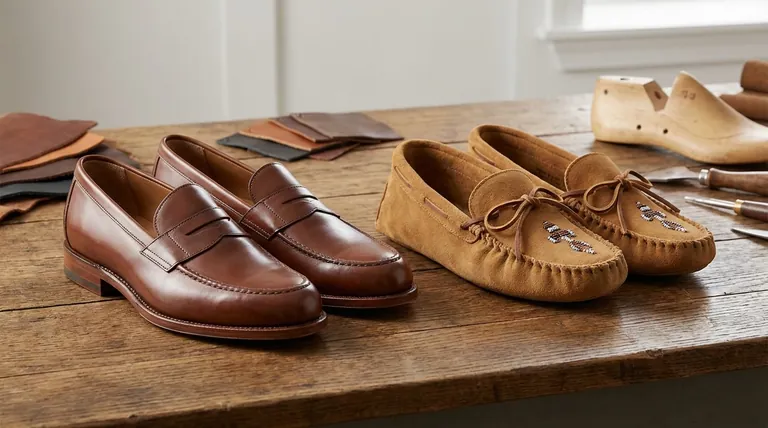
The Anatomy of a Shoe: Loafer vs. Moccasin
To truly understand the difference, we need to look beyond the surface appearance and examine how each shoe is built. The distinction is less about style and more about fundamental shoe construction.
Defining Feature: The Sole and Heel
A loafer is built like a traditional dress shoe, just without laces. It features a separate outsole (the part that contacts the ground) stitched to the upper part of the shoe. This construction allows for the inclusion of a distinct, separate heel block.
Moccasins, by contrast, have a much simpler, ancestral design. The "sole" is simply the bottom part of the single piece of leather that wraps around the foot. This creates a soft, pliable, and completely flat shoe with no heel. Some modern moccasins add a thin rubber layer for grip, but the underlying structure remains heelless.
Construction Method: Structure vs. Simplicity
Loafers are typically made using more complex construction methods like Blake stitching or a Goodyear welt. This creates a durable, resoleable shoe with a defined structure.
Moccasins are the epitome of simple construction. The upper part of the shoe is often just a second piece of leather stitched onto the main piece that forms the sides and bottom. This makes them exceptionally soft and flexible but far less durable for outdoor use.
Upper Details: Formality and Function
While not a defining rule, the details on the upper often reflect the shoe's purpose. Loafers frequently feature a "saddle" (a strip of leather across the instep, as seen in penny loafers), tassels, or metal hardware (like a horsebit).
Moccasins often have decorative laces woven around the collar or beading on the upper, reflecting their Native American origins. These elements are purely aesthetic and do not add to the shoe's structure.
Understanding the Trade-offs
Choosing between a loafer and a moccasin isn't just about style; it's about accepting a different set of compromises based on their construction.
Formality and Versatility
Loafers are significantly more versatile. Their structured sole and heel make them appropriate for everything from business casual (like with chinos or slacks) to smart casual (with jeans). They are true "go-anywhere" shoes.
Moccasins are strictly casual. Their soft, unstructured nature makes them function more like a slipper or a driving shoe. They are best suited for indoor wear or very light, casual outdoor activities.
Durability and Longevity
The robust construction of a loafer means it is built to withstand regular wear on hard surfaces like pavement. Higher-quality loafers can be resoled multiple times, extending their life for years.
The one-piece construction of a moccasin is its primary weakness for outdoor use. The soft sole will wear out quickly on abrasive surfaces, and it offers minimal protection from the elements or uneven ground.
Making the Right Choice for Your Goal
Your decision should be guided by where and how you plan to wear the shoe.
- If your primary focus is a versatile shoe for the office or social events: The loafer is the definitive choice due to its structure, durability, and formal adaptability.
- If your primary focus is ultimate comfort for lounging at home or casual driving: The moccasin's soft, flexible, and unstructured design is unmatched for relaxed, low-impact wear.
Ultimately, think of the loafer as a structured shoe and the moccasin as a functional slipper, and their distinct purposes will become clear.
Summary Table:
| Feature | Loafer | Moccasin |
|---|---|---|
| Sole Type | Separate, hard sole | Soft, integrated sole (one-piece) |
| Heel | Distinct heel block | No heel (flat profile) |
| Construction | Structured (e.g., Goodyear welt) | Simple, one-piece wrap |
| Formality | Business casual to smart casual | Strictly casual |
| Durability | High (resoleable) | Low (soft sole wears quickly) |
| Ideal Use | Office, social events, versatile wear | Lounging, driving, indoor wear |
Need a reliable supplier for high-quality loafers, moccasins, or any footwear type?
As a large-scale manufacturer, 3515 produces a comprehensive range of footwear for distributors, brand owners, and bulk clients. Our production capabilities encompass all types of shoes and boots, ensuring durability, style, and competitive pricing.
Let's discuss your specific needs: Contact our team today to explore how we can support your business with custom or bulk footwear solutions.
Visual Guide
Related Products
- Men's Breathable Perforated Loafers Wholesale & OEM Manufacturing
- Wholesale Breathable Perforated Slip-On Loafers Custom Manufacturing
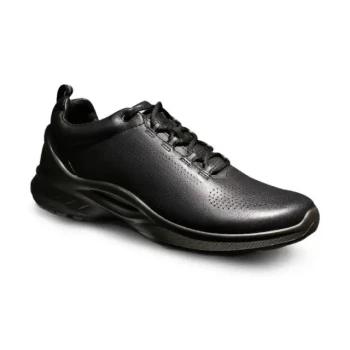
- Custom Manufactured Air Cushion Leather Business Shoes for Wholesale
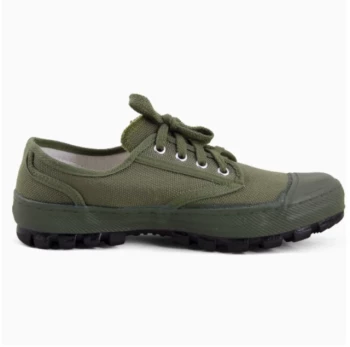
- Wholesale Durable Camouflage Canvas Shoes with High-Traction Cleated Rubber Sole
- Durable Goodyear Welt Leather Work Boots for Wholesale & Private Label
People Also Ask
- Why are loafers considered a business casual must-have? Achieve Effortless Style and Comfort
- What are loafers and how are they styled? A Guide to Effortless Style & Versatility
- What are loafers, and how are they typically worn? A Guide to Styles and Versatility
- What makes loafers a good choice for casual shoes? Discover Unmatched Versatility & Style
- How can loafers be incorporated into a professional wardrobe? Master the Art of Boardroom-Ready Style