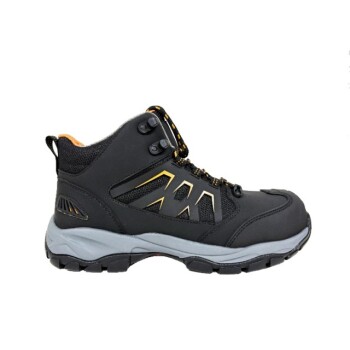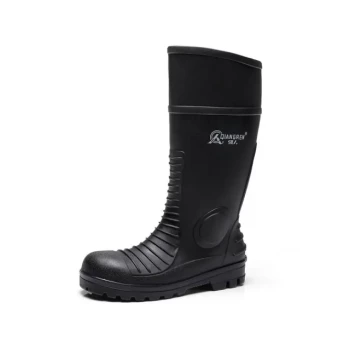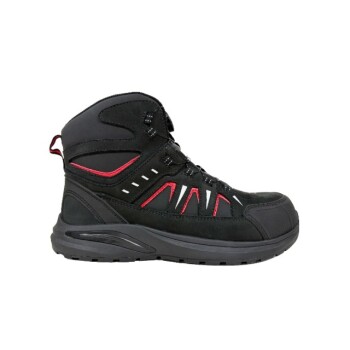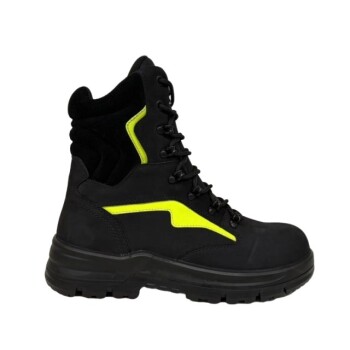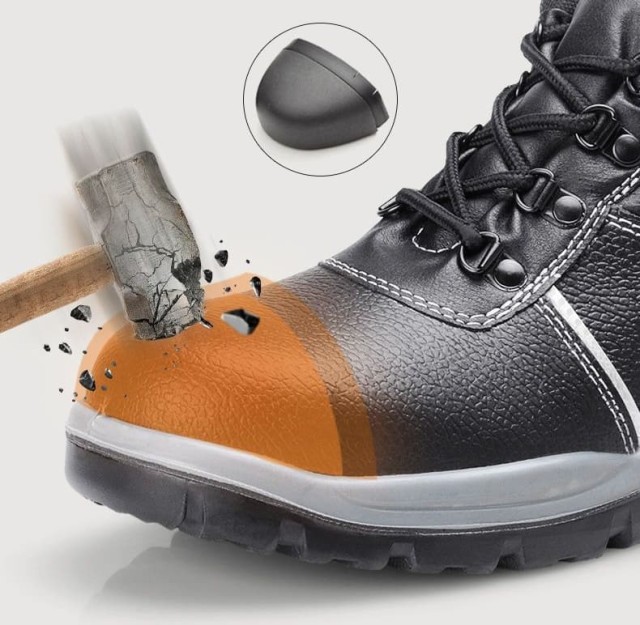
Industrial workers face daily hazards that demand uncompromising foot protection. While composite materials gain popularity, steel toe caps remain the gold standard for high-risk environments. This guide examines when steel's superior protection justifies its weight trade-offs, backed by safety standards and real-world performance data.
Industrial Footwear Protection Spectrum
How 200J Impact Resistance Translates to Real-World Safety
Every certified safety toe—whether steel or composite—must withstand 200 joules of impact energy. This equates to:
- A 75-pound object dropped from 18 inches
- The force of a forklift pallet accidentally rolling onto feet
- Construction debris falling from scaffoldings
Why steel excels: While both materials meet minimum thresholds, steel's density provides:
✔ 30% better resistance to repeated impacts
✔ 50% lower deformation risk under extreme compression
✔ Longer lifespan in abrasive environments like mining
Steel vs Composite: Critical Thresholds in Material Performance
| Factor | Steel Toe | Composite Toe |
|---|---|---|
| Compression Resistance | 2,500 lbf (ASTM F2413) | 2,500 lbf (ASTM F2413) |
| Electrical Hazard | Conducts electricity | Non-conductive |
| Thermal Transfer | Conducts heat/cold | Insulates |
| Weight | Heavier (15-18 oz) | Lighter (8-12 oz) |
Key insight: Steel dominates in durability and impact absorption, while composites win in electrical safety and comfort.
Workplace Hazard Archetypes
Compression Resistance in Heavy Machinery Environments
Steel's unbeatable performance shines in:
- Warehousing: Forklifts exert ~1,800 lbf during accidental drive-overs
- Oil rigs: Drill pipe handlers risk 2,200+ lbf compression loads
- Foundries: Molten metal spills demand heat-resistant toe protection
Case Example: A steel mill worker avoided crushed metatarsals when a 1-ton coil shifted unexpectedly—the steel cap absorbed 90% of the impact force.
Puncture Protection Case Studies from Construction Sites
Rebar spikes and nail-studded boards pose silent threats. Steel offers:
- 4x greater puncture resistance than basic composites
- No material fatigue after multiple penetrations
- Built-in midsole plates in premium models (e.g., 3515's industrial line)
Composite limitations: While meeting ASTM standards, thermoplastic toes may crack when punctured by 16D nails at acute angles.
Standards Compliance Deep Dive
ASTM F2413 vs ISO 20345 Testing Protocols
Both standards evaluate:
- Impact resistance (200J)
- Compression resistance (2,500 lbf)
- Metatarsal protection (marked "Mt" if present)
Critical difference: ISO 20345 requires annual recertification, while ASTM follows a one-time test. Steel's durability makes it ideal for long-term use between recertifications.
Industry-Specific Certification Requirements
| Industry | Mandatory Toe Standard | Recommended Material |
|---|---|---|
| Electrical Utilities | ASTM F2413 EH | Composite |
| Mining | ASTM F2413 C/PR | Steel |
| Food Processing | ISO 20345 SRA | Stainless Steel |
Pro Tip: 3515's modular designs allow distributors to customize toe materials per client industry needs without retooling.
Ready to Equip Your Workforce with Optimized Protection?
As a full-range industrial footwear manufacturer, 3515 empowers distributors and bulk buyers with safety solutions tailored to hazard profiles—from ultra-light composites for warehouse crews to reinforced steel toes for heavy industry. Let's collaborate to build safer workplaces, one pair at a time.
Products You Might Be Looking For:
View heavy-duty steel toe work boots
Explore adjustable steel toe safety footwear
Discover athletic-style steel toe work shoes
Browse customizable steel toe safety shoes
See 3515's premium steel toe work footwear
Related Products
- Durable Steel Toe Safety Boots Wholesale & Custom Manufacturing
- Wholesale Durable Breathable Safety Boots Custom OEM Manufacturer
- Wholesale Durable 6-Inch Work Boots | Custom & Private Label Manufacturer
- Puncture-Resistant Velcro Safety Boots for Wholesale & Custom Manufacturing
- Premium Sport Style Safety Boots for Bulk Orders
Related Articles
- The Unseen Engineering: Why Steel Toes Succeed or Fail in Oily Environments
- How to Choose Between Steel and Composite Toe Boots for Workplace Safety
- How Modern Steel Toe Boots Combine Safety with All-Day Comfort
- How to Choose Between Steel and Composite Toe Boots for Maximum Safety
- How Steel Toe Boots Meet Industry Safety Standards and Reduce Workplace Injuries