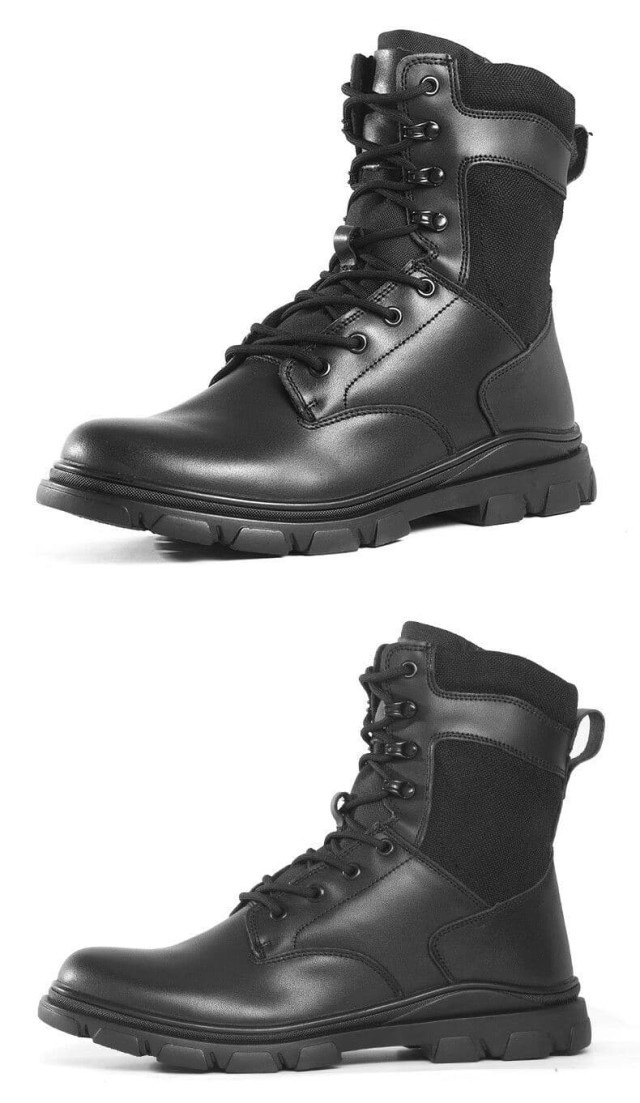
When winter storms hit, your footwear becomes the first line of defense against the elements. But not all snow boots are created equal. Understanding the interplay between waterproofing, insulation, and traction technologies ensures you select boots that match your climate, activity level, and safety needs—without overpaying for features you don’t require.
Waterproofing Technology and Materials
Hydrostatic Head Ratings and Seam Construction
Waterproofing isn’t binary. Boots are graded by hydrostatic head ratings (measured in millimeters), indicating how much water pressure the material can withstand before leaking. For example:
- Light use (1,000–5,000mm): Handles light snow or brief puddle exposure.
- Moderate use (5,000–10,000mm): Suitable for prolonged slush or wet snow.
- Heavy-duty (10,000mm+): Withstands immersion, ideal for deep snow or ice fishing.
Seam construction is equally critical. Taped or welded seams prevent water ingress at stitching points, a common failure area in cheaper boots.
Breathability vs. Water Resistance Trade-offs
High waterproofing often reduces breathability, leading to sweat buildup. Membranes like Gore-Tex strike a balance, but in sub-zero temperatures, prioritize waterproofing—moisture management becomes secondary.
Pro Tip: For active use (e.g., snowshoeing), look for boots with venting zones to release heat.
Insulation Types and Thermal Efficiency
Synthetic vs. Natural Insulation: Cold-Weather Durability
- Synthetic (Thinsulate, PrimaLoft): Lightweight, retains warmth when wet, and dries faster. Best for high-output activities.
- Natural (Sheepskin, Wool): Warmer in extreme cold but loses insulation if soaked. Ideal for static use (e.g., ice fishing).
Temperature Ratings and Activity-Specific Needs
Manufacturers often provide temperature guidelines, but real-world performance depends on:
- Metabolic heat: Running generates more warmth than standing.
- Sock layering: Over-insulation + thick socks = sweaty feet.
Rule of Thumb: Choose boots rated 10–20°F colder than your lowest expected temperature.
Fit, Traction, and Safety Considerations
How to Test Fit for Swelling and Layering
- Try boots with winter socks you’ll actually wear.
- Leave toe room: Feet swell after hours outdoors.
- Flex test: Walk uphill—toes shouldn’t jam forward.
Maintenance and Long-Term Value
Reproofing Methods for Sustained Waterproofing
- Silicone sprays: Reapply every few months or after heavy use.
- Wax-based treatments: Better for leather but require more frequent upkeep.
Repair vs. Replacement Cost Analysis
High-end boots (e.g., those with replaceable soles) often justify their price over 5+ years. For budget options, consider replacement costs after 2–3 seasons.
Ready to equip your inventory with high-performance snow boots? 3515 partners with distributors and brands to deliver bulk footwear solutions tailored to any climate or activity. [Contact us] to discuss scalable production options.
Related Products
- Premium Insulated Safety Boots and Shoes for Wholesale & Bulk Orders
- Factory Direct Wholesale Rain Boots Durable Waterproof & Fully Customizable
- Durable Waterproof Rain Boots | Custom Manufacturer for Wholesale & Brands
- Wholesale Leather Ankle Boots with Lug Soles for Custom Brand Manufacturing
- Wholesale Waterproof Tactical Boots Custom Suede & High-Traction Soles
Related Articles
- More Than Warmth: The Dual-System Safety Engineering of Insulated Boots
- How to Choose Cold-Weather Safety Boots: Material Science Meets Sub-Zero Performance
- How to Choose Snow Boot Insulation for Any Weather and Activity
- How to Choose Snow Boot Insulation for Your Climate and Activities
- How to Choose Winter Boots That Actually Work for Your Climate and Lifestyle