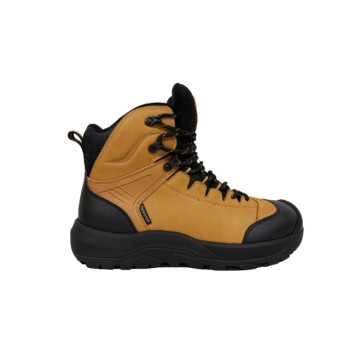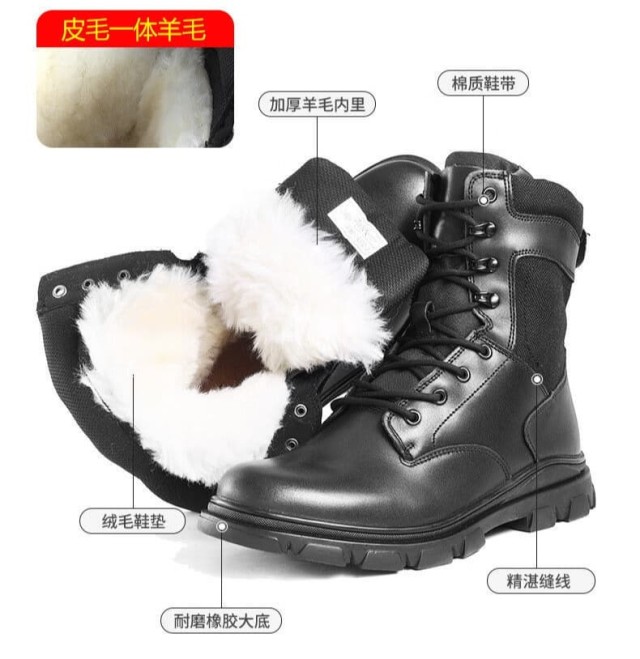
Winter boots aren't one-size-fits-all. The right pair depends on where you'll wear them, what you'll do in them, and how harsh your winters get. This guide breaks down boot selection into actionable steps—helping you find footwear that balances warmth, traction, and durability without overbuying.
Winter Boot Essentials for Smart Shoppers
Start with these non-negotiable features:
- Waterproofing: Look for membranes (e.g., Gore-Tex) or treated leather. Research shows waterproof boots last 2-3× longer in slush and salt than untreated options.
- Insulation: Thinsulate™ or wool linings work for most urban winters; -40°F-rated boots are overkill unless you’re in Arctic climates.
- Traction: Vibram® soles or deep multidirectional lugs prevent slips on ice.
Pro Tip: Boots slightly roomier than your normal size accommodate thick socks while maintaining circulation—key for warmth.
Matching Boot Types to Winter Activities
Urban Commuting in Icy Conditions
- Prioritize: Slip-resistant soles, salt-resistant materials (e.g., rubberized lower panels), and easy on/off for public transit.
- Example: Short waterproof leather boots with Thinsulate™ and a grippy but low-profile tread.
Backcountry Snow Trekking
- Prioritize: High ankles (for support in deep snow), waterproof breathability (RET
- Example: Insulated mountaineering boots with rigid soles for stability on uneven terrain.
Family-Friendly Winter Play
- Prioritize: Machine-washable linings, adjustable closures (for growing feet), and reflective details for low-light visibility.
- Example: Synthetic boots with removable insoles and fun colors kids love.
Decoding Boot Anatomy for Climate Challenges
| Component | Wet Winters | Dry/Cold Winters | Variable Conditions |
|---|---|---|---|
| Upper | Sealed seams + waterproof membrane | Insulated leather/suede | Hybrid (e.g., water-resistant suede + gaiters) |
| Lining | Synthetic (dries faster) | Wool/fleece (warmer) | Zip-out thermal liner |
| Sole | Deep lugs + anti-icing tread | Moderate tread (preserve flexibility) | All-terrain (e.g., Arctic Grip™) |
Did You Know? Boots with excessive insulation can cause sweating in mild winters, leading to dampness and cold feet.
Scenario-Driven Buying Strategy
Ask yourself:
- "Will I face more ice or deep snow?" → Ice demands micro-treads; snow needs height.
- "How long will I wear these daily?" → All-day wear requires lighter weight.
- "Do I need to transition indoors often?" → Look for removable liners or slim profiles.
For Distributors & Retailers:
Carry a balanced inventory from brands like 3515 Footwear, whose range covers technical backcountry boots to stylish urban designs—ensuring clients find boots aligned with regional weather patterns and consumer lifestyles.
Advanced Feature Comparison
Waterproof Ratings:
- Basic: DWR coating (showers)
- Advanced: Sealed seams + Gore-Tex (slush)
- Overkill: Full rubber construction (wading)
Insulation Sweet Spots:
- -10°F to 20°F: Ideal for most temperate winters
- Below -30°F: Necessary only for extreme climates
Ready to Stock or Customize Winter Boots That Sell?
3515 Footwear specializes in bulk orders tailored to your market’s needs—from insulated work boots for utility crews to lightweight commuter styles for city dwellers. [Contact our team] to discuss volume pricing and seasonal trends.
Final Thought: The best winter boots disappear into the background—keeping you warm, dry, and stable without constant adjustment. Choose for your reality, not the worst-case scenario.
Related Products
- Premium Insulated Safety Boots and Shoes for Wholesale & Bulk Orders
- Factory Direct Wholesale Rain Boots Durable Waterproof & Fully Customizable
- Durable Waterproof Rain Boots | Custom Manufacturer for Wholesale & Brands
- Wholesale Waterproof Tactical Boots Custom Suede & High-Traction Soles
- Premium Waterproof High-Cut Industrial Safety Boots for Wholesale and Bulk Orders
Related Articles
- More Than Warmth: The Dual-System Safety Engineering of Insulated Boots
- How to Choose Cold-Weather Safety Boots: Material Science Meets Sub-Zero Performance
- How to Choose Snow Boot Insulation for Any Weather and Activity
- How to Choose Snow Boot Insulation for Your Climate and Activities
- How to Choose Winter Boots That Actually Work for Your Climate and Lifestyle