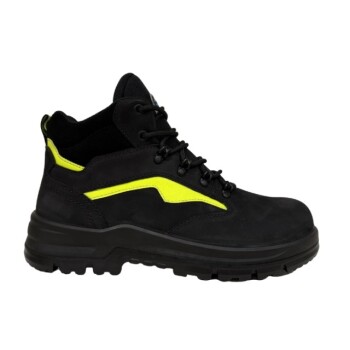
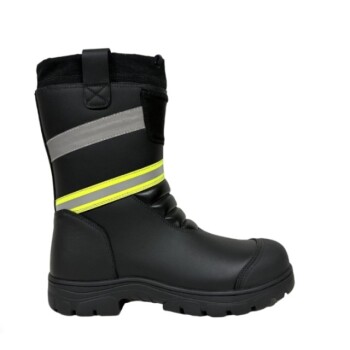
At its core, water resistance in boots and shoes is essential for a single, critical purpose: keeping your feet dry. This barrier against moisture is the foundation for comfort, health, and the longevity of your footwear, especially when facing unpredictable weather or challenging outdoor terrain.
The primary goal of water resistance is not just to fend off rain or puddles, but to maintain a stable, dry internal environment for your feet. This directly impacts your comfort, protects your health by preventing blisters and fungal infections, and preserves the structural integrity of your boots.
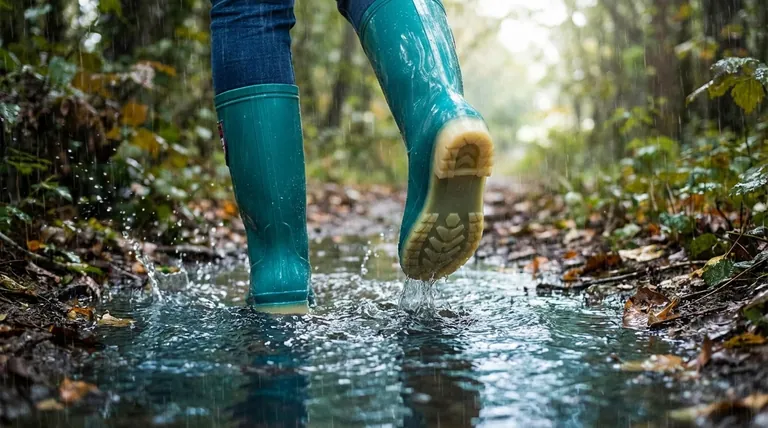
Why a Dry Foot is a Healthy Foot
Your feet are the foundation of every step you take. Keeping them dry is about more than just avoiding the squishy feeling of a waterlogged sock; it's a matter of health and performance.
The Problem with Moisture
When water seeps into your footwear, it creates an environment ripe for problems. The moisture softens your skin, making it fragile and highly susceptible to damage.
This leads directly to friction-related issues like blisters and chafing, which can quickly turn a pleasant walk into a painful ordeal.
Preventing Fungal Growth
A damp, warm environment inside a shoe is the perfect breeding ground for bacteria and fungi. This can lead to unpleasant odors and common infections like athlete's foot.
A water-resistant barrier is your first line of defense against creating these unhealthy conditions.
Comfort is Performance
Beyond health, maintaining dry feet is paramount for comfort, which is directly linked to your ability to perform and endure, whether on a trail or a job site.
Regulating Temperature
Water is an incredibly efficient conductor of heat. When your feet get wet, they lose heat 25 times faster than when they are dry.
In cold weather, this rapidly leads to dangerously cold feet, increasing discomfort and the risk of frostbite. In warmer weather, wet feet can feel clammy and fail to regulate temperature properly.
Maintaining Structural Support
Excessive moisture doesn't just affect your feet; it compromises the boot itself. Water can saturate leather and other materials, causing them to stretch, deform, and lose their supportive shape.
This breakdown reduces the lifespan of your footwear and diminishes the support and protection it was designed to provide.
Understanding the Trade-offs
It's important to distinguish between "water-resistant" and "waterproof." They are not the same, and choosing the wrong one can lead to its own set of problems.
Water-Resistant vs. Waterproof
Water-resistant footwear, often made of materials like oil-tanned leather, is designed to shed water and resist saturation for a period. It offers good protection against light rain or wet grass but can be overwhelmed by full immersion or prolonged downpours.
Waterproof footwear typically uses a membrane (like GORE-TEX) to create a complete seal against water entry. While offering maximum protection from wetness, this can sometimes come at the cost of breathability.
The Breathability Factor
The major trade-off for complete waterproofing is often reduced breathability. If moisture from your own sweat cannot escape, your feet can end up just as damp as if water had leaked in from the outside.
For this reason, highly breathable water-resistant boots are often a better choice for activities in less severe conditions, as they manage both external and internal moisture more effectively.
How to Maintain and Enhance Water Resistance
Water resistance is not a permanent feature; it requires maintenance to remain effective, especially with leather boots.
Conditioning Leather
Materials like oil-tanned leather are naturally highly water-repellent. Regularly applying a leather conditioner or oil replenishes the natural oils that cause water to bead up and roll off the surface.
Adding a Protective Layer
For an extra shield, waterproofing sprays or waxes can be applied. These treatments create an additional barrier on the surface of the material without completely sealing it, thus preserving a degree of breathability.
Shielding Entry Points
The tongue and lace area is a common weak point for water entry. A kiltie—a fringed leather panel that sits over the instep—can act as a decorative and functional shield against water and debris in this vulnerable spot.
Making the Right Choice for Your Goal
Selecting the right level of water resistance depends entirely on your intended use.
- If your primary focus is daily wear or light hikes in fair weather: A breathable, water-resistant boot is often superior, offering comfort and protection from unexpected puddles or light showers.
- If your primary focus is multi-day trekking, winter conditions, or very wet climates: A truly waterproof boot with a membrane is essential to guarantee your feet stay dry and safe.
- If your primary focus is preserving expensive leather footwear: Understanding and maintaining its natural water resistance with regular conditioning is the key to ensuring its longevity and performance.
Ultimately, choosing footwear with the appropriate level of water resistance is a fundamental step in ensuring your comfort, safety, and endurance in any environment.
Summary Table:
| Key Aspect | Why It Matters |
|---|---|
| Foot Health | Prevents blisters, chafing, and fungal infections like athlete's foot. |
| Thermal Comfort | Dry feet lose heat 25x slower, preventing cold feet and frostbite. |
| Boot Longevity | Moisture can cause materials to stretch, deform, and lose shape. |
| Performance | A dry foot is a comfortable foot, essential for endurance and safety. |
Need High-Quality Water-Resistant or Waterproof Footwear?
As a large-scale manufacturer, 3515 produces a comprehensive range of durable boots and shoes for distributors, brand owners, and bulk clients. Our production capabilities encompass all types of footwear, ensuring your customers get the perfect balance of protection, comfort, and performance for any condition.
Let's discuss your specific needs and how we can support your business. Contact our team today to explore our capabilities and request a quote.
Visual Guide

Related Products
- Heavy-Duty Waterproof Nubuck Safety Boots Safety Shoes for Bulk Supply
- Wholesale Premium Waterproof Nubuck Safety Shoes Boots
- Durable Waterproof Rain Boots | Custom Manufacturer for Wholesale & Brands
- Premium Wholesale Waterproof Safety Boots High Performance Protection for Industrial Markets
- Factory Direct Wholesale Rain Boots Durable Waterproof & Fully Customizable
People Also Ask
- What primary protective functions do professional safety boots provide in urban solid waste recovery and waste picking processes? Discover Dual-Layer Protection.
- How do safety boots reduce cutting hazards? Essential Protection for Your Workforce
- Which organizations develop safety standards for work boots? Ensure Compliance & Worker Safety
- What are the common types of safety boots and their primary uses? A Guide to Industrial Footwear
- Why is ankle and arch support important in safety footwear? Prevent Injury & Fatigue