The effectiveness of Personal Protective Equipment (PPE) relies entirely on its seal and fit. Without a precise fit, dangerous gaps remain around essential gear like dust masks and safety goggles, allowing fine particulates and chemical fumes to bypass the protective barrier. If the equipment does not form a tight seal, it is rendered ineffective, failing to protect quarry workers during physical impacts or exposure to high concentrations of dust.
A protective device is only as good as its seal. Even top-tier equipment fails if gaps exist, creating a false sense of security that leaves quarry workers vulnerable to respiratory hazards and physical injury.
The Mechanics of Effective Protection
Blocking Microscopic Hazards
In a quarry environment, the primary threats are often invisible. Fine particulates and chemical fumes behave like fluids; they will flow through the path of least resistance.
If a mask or goggle does not fit the contours of a worker's face perfectly, these contaminants bypass the filter entirely. A proper seal forces all air to pass through the filtration material, ensuring the intended level of protection is actually achieved.
Stability During Physical Impact
Fit is not only about air quality; it is critical for physical defense. Loose-fitting gear cannot absorb or deflect energy correctly.
During an accident or physical impact, gear that is not securely sealed against the body may shift or dislodge. This exposes the worker to injury at the exact moment protection is needed most.
The Consequences of Improper Fit
The Failure of the Protective Barrier
The primary reference is clear: improper wear equates to a lack of protection. If the seal is compromised, the equipment fails to provide the intended defense.
For a quarry worker, this means that wearing a loose mask in a high-dust zone provides no significant advantage over wearing no mask at all. The "protective barrier" becomes a theoretical concept rather than a physical reality.
The Risk of False Security
When workers wear PPE, they assume they are safe. Improper fit creates a dangerous illusion of safety.
This can lead workers to enter hazardous areas or undertake dangerous tasks assuming they are shielded. Because the seal is ineffective, they are unknowingly exposing themselves to maximum risk levels.
Understanding the Trade-offs: Thermal Stress
Increased Heat Burden
While a tight seal is non-negotiable for blocking hazards, it introduces a physiological cost. PPE such as safety shoes, gloves, and sealed goggles increases the wearer's clothing thermal resistance.
By design, these items add layers that trap heat against the body. This is a critical factor to consider when assessing the overall safety of the work environment.
Hindered Heat Dissipation
The same mechanism that blocks dust also blocks airflow. Sealed PPE hinders sweat evaporation and convective heat dissipation from the skin.
This accumulation of heat can intensify a worker's sense of thermal stress. Therefore, safety managers must account for this additional heat burden when planning work cycles to prevent heat-related illnesses.
Making the Right Choice for Your Safety Program
Ensuring quarry worker safety requires balancing strict adherence to fit protocols with an awareness of the physiological toll of the equipment.
- If your primary focus is respiratory and impact safety: Prioritize rigorous fit-testing to ensure no gaps exist around masks and goggles, as this is the only way to block fine particulates.
- If your primary focus is long-term occupational health: Adjust your thermal environment assessments to account for the additional heat burden caused by the necessary sealing of PPE.
True safety is achieved when equipment is fitted to seal out hazards completely, while management actively mitigates the resulting thermal stress.
Summary Table:
| PPE Factor | Importance to Safety | Impact of Poor Fit |
|---|---|---|
| Airstream Seal | Forces air through filtration | Contaminants bypass filters via gaps |
| Physical Impact | Absorbs and deflects kinetic energy | Gear shifts/dislodges during accidents |
| Barrier Integrity | Creates a reliable physical shield | Creates a dangerous illusion of safety |
| Thermal Regulation | Traps heat near the body | Increases thermal stress & hinders sweat |
| Stability | Keeps equipment in place | Reduces protection during movement |
Secure Your Workforce with Precision-Engineered Footwear
At 3515, we understand that in high-risk environments like quarries, the difference between safety and injury lies in the precision of the fit. As a large-scale manufacturer serving distributors and brand owners, we offer comprehensive production capabilities for all footwear types, anchored by our flagship Safety Shoes series.
Our extensive portfolio covers work and tactical boots, outdoor shoes, training shoes, and sneakers, as well as Dress & Formal shoes designed to meet your diverse bulk requirements with uncompromising quality. Don't compromise on the seal that protects your team. Contact us today to discuss how our manufacturing expertise can deliver the durability and fit your brand demands.
References
- Onuka Okorie, Ejiro Akpevba. The Usage of Personal Protective Equipment (PPE) Among Quarry Workers in Abia and Ebonyi State, South East, Nigeria. DOI: 10.52589/ajbmr-83uivva1
This article is also based on technical information from 3515 Knowledge Base .
Related Products
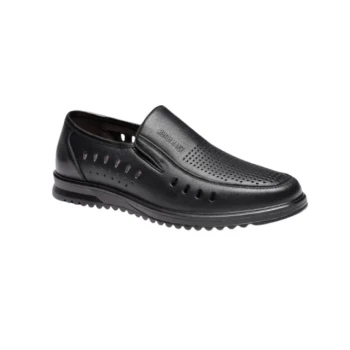
- Wholesale Breathable Perforated Slip-On Loafers Custom Manufacturing
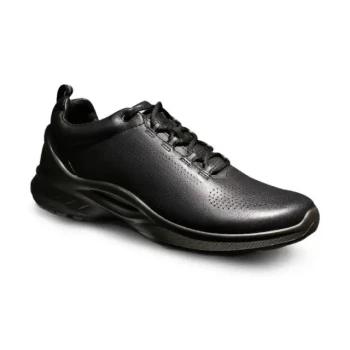
- Advanced KPU Athletic Safety Shoe with Steel Toe Cap Anti-Slip Rotary Lacing System
- Wholesale Durable Safety Boots Manufacturer Customizable Steel Toe Work Boots
- Premium Lightweight Safety Shoes for Wholesale & Bulk Orders
- Premium Wholesale Tactical Style Safety Shoes Boots with Quick Lacing
People Also Ask
- What are slip-on loafers and how should they be styled for a business casual look?
- What is the primary function of adding naked grain spawn as a substrate in sandwich-structured fungal insoles?
- Why is the inclusion of an IMU necessary for clinical assessment in sensing insoles? Unlock Actionable Gait Data
- How can aftermarket insoles improve shoe fit? The Ultimate Guide to Adjusting Shoe Volume
- What are the primary manufacturing advantages of 3D printing for therapeutic insoles? Revolutionizing Custom Orthotics