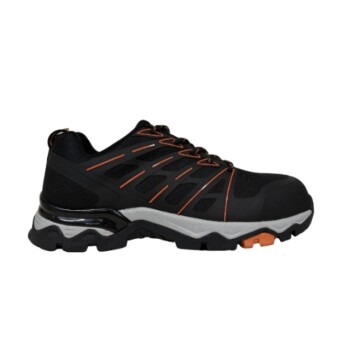
Optimizing microscopic surface roughness is essential because it maximizes molecular contact and prevents fluid-induced hydroplaning. By increasing the surface area at a microscopic level, outsoles can generate higher friction through molecular interaction forces while simultaneously breaking apart thin layers of liquid that would otherwise cause a total loss of traction. This dual action provides the necessary stability for professionals working in unpredictable or hazardous environments.
Microscopic surface roughness serves as the primary engine for friction, functioning by increasing molecular contact points and disrupting the continuity of lubricating water films to ensure reliable gait stability.
The Physics of Molecular Interaction
The Role of Micro-Irregularities
Physical models demonstrate that all surface-to-surface interactions originate from irregularities at the microscopic level. Even surfaces that appear smooth to the naked eye possess peaks and valleys that dictate how they bond under pressure.
Strengthening Interaction Forces
Increasing the microscopic roughness of an outsole material directly raises the number of effective contact points between the shoe and the ground. This higher density of contact generates stronger molecular interaction forces, which are the fundamental building blocks of friction.
Enhancing Dry Surface Grip
On dry surfaces, these microscopic interactions create a "locking" effect that prevents the material from sliding. This ensures that the energy of a professional's step is efficiently transferred to the ground without energy loss or slippage.
Managing Fluid Dynamics and Lubrication
Disrupting Water Film Continuity
The presence of water or other liquids creates a "lubrication effect" that can lead to catastrophic slips. A microscopically rough surface is designed to disrupt the continuity of water films, physically breaking the liquid layer that would otherwise separate the sole from the floor.
Preventing Frictional Loss
By piercing the water film, the outsole maintains direct contact with the underlying surface. This prevention of the lubrication effect stops the sharp decrease in friction typically seen in wet conditions, maintaining the safety integrity of the footwear.
Ensuring Gait Stability
For safety shoes, maintaining friction in wet conditions is not just about grip; it is about gait stability. This mechanical reliability allows workers to move naturally without the fear of sudden traction loss, reducing the risk of musculoskeletal injuries.
Understanding the Trade-offs
Durability vs. Micro-Roughness
While high microscopic roughness provides superior grip, it can sometimes lead to accelerated wear if the material is too soft. Designers must balance the need for microscopic "teeth" with the requirement for long-term outsole longevity in industrial settings.
Surface Specificity
A roughness profile optimized for a specific floor type—such as polished concrete—may perform differently on rough asphalt. Professional footwear design requires a calibrated approach to roughness that accounts for the specific environment the user will inhabit.
How to Apply This to Your Project
When selecting or designing professional footwear, consider the following priorities based on the environment:
- If your primary focus is wet or oily environments: Prioritize outsole materials with high microscopic roughness to ensure the disruption of liquid films and consistent traction.
- If your primary focus is maximum dry-surface stability: Look for materials that maximize molecular contact points to leverage the highest possible interaction forces.
- If your primary focus is longevity in high-friction tasks: Balance microscopic surface features with high-density compounds to ensure the roughness does not wear away prematurely.
The strategic integration of microscopic roughness is what transforms a standard outsole into a high-performance safety tool capable of preventing workplace accidents.
Summary Table:
| Factor | Mechanism | Impact on Safety |
|---|---|---|
| Molecular Contact | Increases peaks and valleys at the microscopic level | Maximizes dry-surface grip and stability |
| Fluid Dynamics | Disrupts the continuity of water/liquid films | Prevents the lubrication effect and hydroplaning |
| Gait Stability | Maintains consistent friction levels during movement | Reduces slip-related musculoskeletal injuries |
| Material Durability | Balances roughness with high-density compounds | Ensures long-term performance in industrial settings |
Partner with 3515 for High-Performance Safety Solutions
As a large-scale manufacturer serving distributors and brand owners, 3515 offers comprehensive production capabilities for all footwear types, anchored by our flagship Safety Shoes series. We specialize in engineering outsole materials with optimized microscopic surface roughness to ensure maximum traction and gait stability for professionals in hazardous environments. Our extensive portfolio covers work and tactical boots, outdoor shoes, training shoes, and sneakers, as well as Dress & Formal shoes to meet your diverse bulk requirements.
Ready to elevate your product line with industry-leading grip technology? Contact us today to discuss your wholesale or custom manufacturing needs!
References
- Thomas Lingefjärd. From friction to air resistance. DOI: 10.29333/mathsciteacher/12211
This article is also based on technical information from 3515 Knowledge Base .
Related Products
- Premium Suede Sport Safety Shoes for Wholesale & Bulk Orders
- Premium Lightweight Safety Shoes for Wholesale & Bulk Orders
- Wholesale Anti-Smash & Puncture-Proof Safety Shoes Custom Manufacturing for Brands
- Premium KPU Injection Athletic Style Safety Shoes
- Premium Safety Shoes with Rotating Buckle Safety Sneakers
People Also Ask
- What industries have specific OSHA footwear requirements? Ensure Compliance & Protect Your Workforce
- What are the primary functions of professional safety shoes? Maximize Safety in Water Supply Confined Spaces
- What role do specialized safety shoes play in preventing falls? Engineering Stability in Industrial Environments
- Why must safety training be synchronized with the provision of physical safety shoes? Achieve Optimal Workplace Protection
- How do gait analysis algorithms ensure accuracy in footwear? Master Step Length Precision for Boots & Sneakers