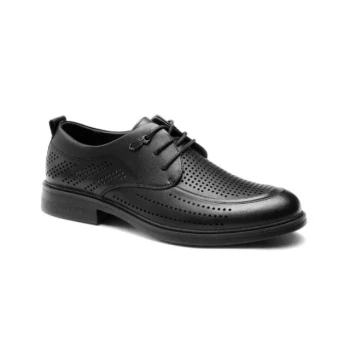
Minimizing physical interference is the primary goal of using lightweight and low-friction designs in beginner running programs. These design choices are essential to reduce physical discomforts, such as friction injuries or restrictive sensations, which can otherwise lead to premature fatigue and respiratory stress unrelated to the actual workout.
Core Takeaway: For beginners, equipment must offer high usability and low intervention. By eliminating external stressors like heavy gear or chafing, you ensure that any collected performance data reflects the effectiveness of the training instructions, rather than the shortcomings of the equipment.
The Physiological Impact on Beginners
Reducing Premature Fatigue
Beginner runners generally have lower endurance thresholds. Heavy footwear or cumbersome wearable systems add unnecessary physical load.
Lightweight designs prevent the runner from expending extra energy solely to carry the equipment, delaying the onset of fatigue.
Mitigating Respiratory Stress
New runners often struggle with breath control and cardiovascular regulation.
Equipment that feels restrictive or heavy can induce additional respiratory stress. Low-intervention designs ensure the runner's breathing challenges are caused by the exercise intensity, not by fighting against their gear.
Prevention of Physical Discomfort
Eliminating Friction Injuries
Friction is a major barrier to consistency for beginners.
Low-friction designs are critical to prevent blistering, chafing, and skin irritation. These injuries can force a runner to stop training entirely, breaking the continuity required for a successful beginner program.
Avoiding Restrictive Sensations
Wearable systems must not impede natural movement.
A design focused on high usability ensures the runner does not feel confined. This freedom of movement is psychological as well as physical, helping beginners feel more capable and less burdened.
Ensuring Data Integrity
Isolating the Training Variable
The primary reference highlights that these programs often test specific interventions, such as breathing instructions.
If a runner is struggling, it is vital to know if the struggle comes from the breathing technique or the shoes. Lightweight gear removes the equipment as a confounding variable.
Validating User Experience Data
To accurately judge a training program, the user's feedback must be "clean."
If a runner reports a negative experience, it should not be because their shoes hurt or the sensor was heavy. Low-intervention systems ensure that user experience data truly reflects the effectiveness of the coaching and instructions provided.
Understanding the Trade-offs
Durability vs. Weight
To achieve an ultra-lightweight profile, manufacturers often use thinner or more technical materials.
While this improves performance and comfort, it can sometimes compromise the long-term durability of the product compared to heavier, more rugged alternatives.
Stability vs. Freedom
Low-friction and lightweight designs often prioritize natural movement over rigid support.
While this reduces restriction, some runners with specific biomechanical issues may require structured stability, which can add weight and bulk to the system.
Making the Right Choice for Your Goal
When selecting equipment for a beginner running program, consider your primary objective:
- If your primary focus is Data Accuracy: Prioritize minimalist and lightweight gear to ensure physiological metrics reflect the training stimulus, not equipment load.
- If your primary focus is User Retention: Focus on low-friction and anti-chafe materials to prevent the immediate physical pain that causes beginners to quit.
The best equipment for a beginner is the gear they forget they are wearing, allowing them to focus entirely on their movement and breathing.
Summary Table:
| Design Feature | Impact on Beginner Runners | Primary Benefit |
|---|---|---|
| Lightweight | Reduces unnecessary physical load and respiratory stress | Delays premature fatigue |
| Low-Friction | Eliminates blistering, chafing, and skin irritation | Ensures training consistency |
| Low-Intervention | Minimizes restriction of natural movement | Enhances psychological comfort |
| Minimalist Gear | Removes equipment as a confounding variable | Ensures high data integrity |
Partner with 3515 for High-Performance Footwear Solutions
As a large-scale manufacturer serving distributors and brand owners, 3515 offers comprehensive production capabilities for all footwear types, anchored by our flagship Safety Shoes series. Our extensive portfolio covers work and tactical boots, outdoor shoes, training shoes, and sneakers, as well as Dress & Formal shoes to meet diverse bulk requirements.
We understand the critical balance between durability and weight needed for competitive markets. Whether you are expanding your brand's athletic line or sourcing reliable work gear, our manufacturing expertise ensures your customers receive the high usability and quality they demand.
Ready to elevate your product range? Contact us today to discuss your bulk production needs and discover how our manufacturing legacy can add value to your business.
References
- Vincent van Rheden, Alexander Meschtscherjakov. Into the Rhythm: Evaluating Breathing Instruction Sound Experiences on the Run with Novice Female Runners. DOI: 10.3390/mti8040025
This article is also based on technical information from 3515 Knowledge Base .
Related Products
- Wholesale Lightweight Cushioned Athletic Sneakers for Custom Bulk Production
- Lightweight Breathable Training Shoes for Wholesale & Custom OEM Manufacturing
- Wholesale Breathable Athletic Sneakers - Custom Lightweight Cushioned Footwear Manufacturer
- Lightweight Breathable Sneakers with Wet-Traction Grip for Wholesale & Private Label
- Wholesale Lightweight Tactical Boots with Dial Closure OEM & Bulk Orders
People Also Ask
- What is the primary role of shoes in physical activities? Protection, Support & Performance
- In what ways do high-performance Athletic Shoes support stability and proprioception? Enhance Your Movement Precision
- What is the importance of grip in athletic footwear? Prevent Lower Limb Injuries with Optimal Slip Resistance
- Why is it important to wear proper footwear during sports activities? Prevent Injury & Boost Performance
- Why are athletic shoes recommended for walking? The Key to Joint Protection and Injury Prevention