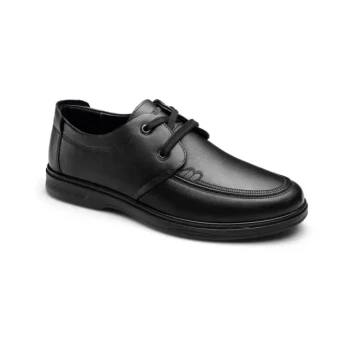
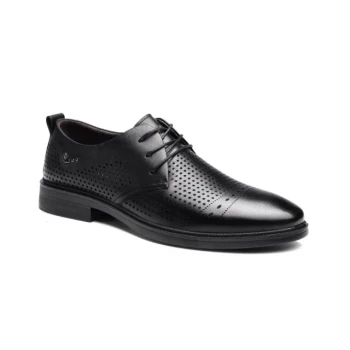
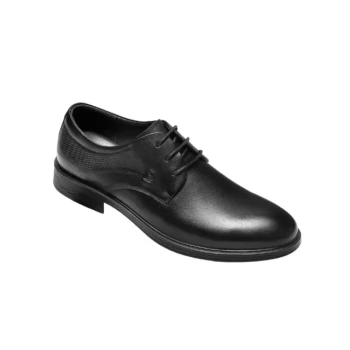
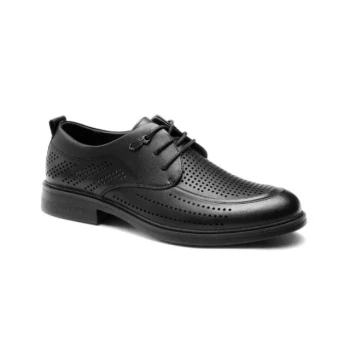
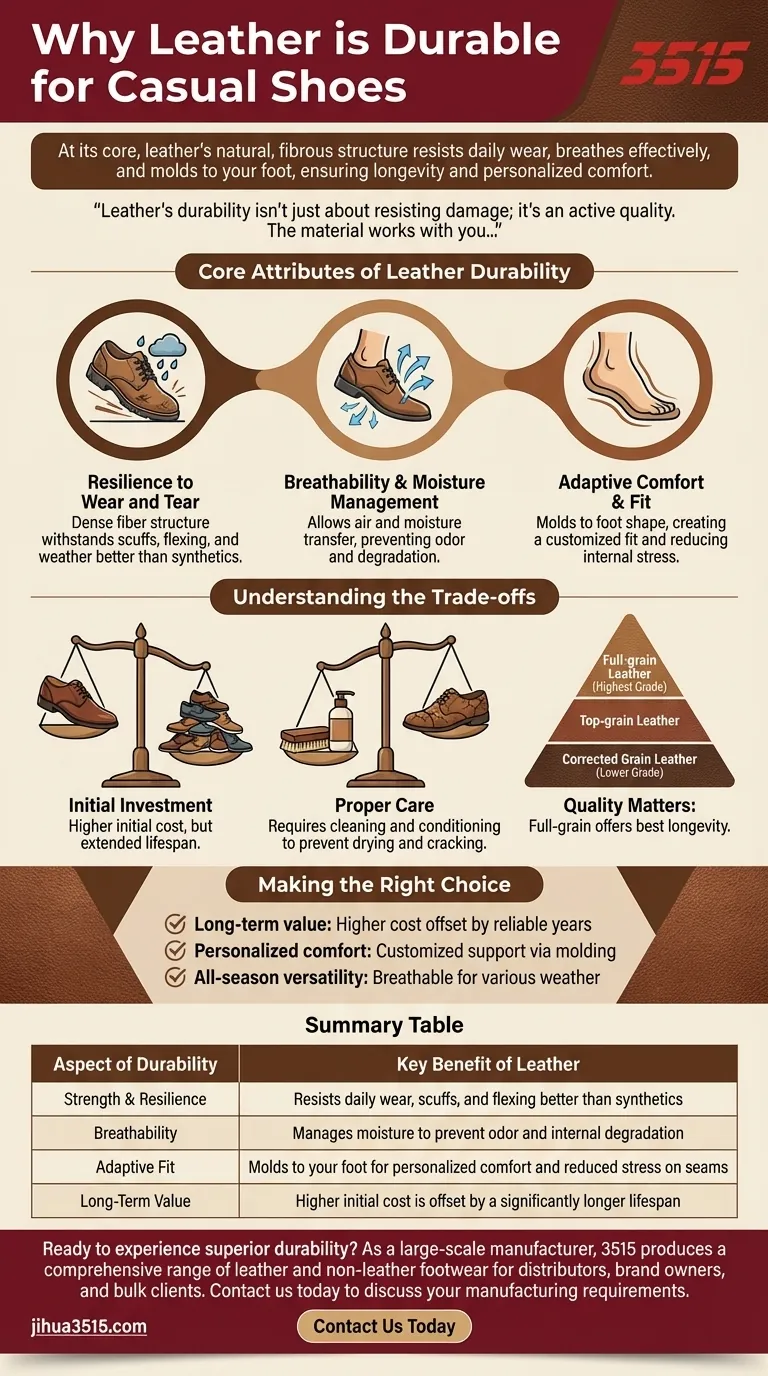
At its core, leather is considered a durable material for casual shoes because its natural, fibrous structure allows it to resist daily wear, breathe effectively, and physically mold to the wearer's foot over time. This unique combination of strength, flexibility, and adaptability ensures both longevity and a superior level of personalized comfort.
Leather's durability isn't just about resisting damage; it's an active quality. The material works with you, adapting to your foot and environment, which is why it has remained a premium choice for footwear for thousands of years.
The Core Attributes of Leather Durability
To understand why leather lasts, we need to look beyond its surface toughness and examine its inherent physical properties. These attributes work together to create a material uniquely suited for the demands of daily footwear.
Resilience to Wear and Tear
Leather is designed by nature to be tough. Its dense fiber structure effectively withstands the scuffs, scrapes, and flexing that casual shoes endure every day.
This inherent strength means it can handle various weather conditions far better than many synthetic alternatives, which can become brittle or degrade more quickly.
Breathability and Moisture Management
A key and often overlooked aspect of durability is breathability. Leather allows air and moisture to pass through it, which is critical for two reasons.
First, it helps prevent odor and keeps the foot dry and comfortable. Second, it stops moisture from being trapped within the shoe's structure, which can degrade materials and stitching over time.
Adaptive Comfort and Fit
Perhaps leather's most valued trait is its ability to conform to the shape of your foot. Over time, it stretches and molds to your specific pressure points and arches.
This creates a customized fit that not only enhances comfort but also reduces internal friction and stress on the shoe's seams, contributing directly to its long-term structural integrity.
Understanding the Trade-offs
While leather's benefits are clear, it's important to approach it with a complete picture. Its durability is not unconditional, and there are practical considerations to keep in mind.
The Initial Investment
High-quality leather shoes typically come with a higher price tag than those made from canvas or synthetic materials. This initial cost can be a significant factor for many buyers.
However, this cost should be weighed against the material's extended lifespan. A single pair of leather shoes can often outlast multiple pairs of cheaper alternatives.
The Need for Proper Care
Leather is not a "set it and forget it" material. To maintain its durability and appearance, it requires occasional cleaning and conditioning.
Without proper care, leather can dry out, crack, or become stained, which will compromise its longevity. This maintenance is a small but necessary part of the ownership experience.
Not All Leather Is Equal
The term "leather" covers a wide range of qualities. Full-grain leather is the highest grade and most durable, while lower-grade or "corrected grain" leathers may not offer the same longevity.
Understanding the quality of the leather is just as important as the material itself when assessing a shoe's potential durability.
Making the Right Choice for Your Needs
Choosing leather is an investment in a specific set of qualities. Your personal priorities will determine if it's the right choice for you.
- If your primary focus is long-term value: Choose leather, as its higher initial cost is often offset by years of reliable use, making it more economical over time.
- If your primary focus is personalized comfort: The way leather molds to your foot provides a level of customized support that synthetic materials cannot replicate.
- If your primary focus is all-season versatility: Leather's natural breathability makes it a comfortable choice for both warmer and cooler weather, adding to its practicality.
Ultimately, choosing leather is a decision to invest in a material proven to deliver lasting comfort, resilience, and style.
Summary Table:
| Aspect of Durability | Key Benefit of Leather |
|---|---|
| Strength & Resilience | Resists daily wear, scuffs, and flexing better than synthetics. |
| Breathability | Manages moisture to prevent odor and internal degradation. |
| Adaptive Fit | Molds to your foot for personalized comfort and reduced stress on seams. |
| Long-Term Value | Higher initial cost is offset by a significantly longer lifespan. |
Ready to experience the superior durability and comfort of quality leather footwear?
As a large-scale manufacturer, 3515 produces a comprehensive range of leather and non-leather footwear for distributors, brand owners, and bulk clients. Our production capabilities encompass all types of casual shoes and boots, ensuring you get durable, high-quality products tailored to your market's needs.
Contact us today to discuss your manufacturing requirements and discover how we can bring lasting value to your business.
Visual Guide
Related Products
- Dial Closure Leather Business Casual Shoes for Wholesale & Private Label
- Wholesale Leather Business Casual Shoes with Dial Closure - Manufacturer of Comfort Dress Sneakers
- Wholesale Modern Perforated Leather Derby Shoes with Chunky Sole for Custom Branding
- Factory Direct Wholesale Leather Comfort Shoes with Dial Closure
- Classic Leather Derby Dress Shoes Wholesale & Custom Manufacturing
People Also Ask
- What are the top three recommended business casual shoes? Build a Polished, Versatile Wardrobe
- Why is choosing the right shoes important for a business casual look? Elevate Your Professional Image
- What materials are commonly used in business casual shoes? A Guide to Leather, Suede & More
- What factors should be considered when choosing business casual shoes? Find the Perfect Balance of Style & Comfort
- Are black or brown shoes better for business casual? Master the Versatile Choice for Your Wardrobe