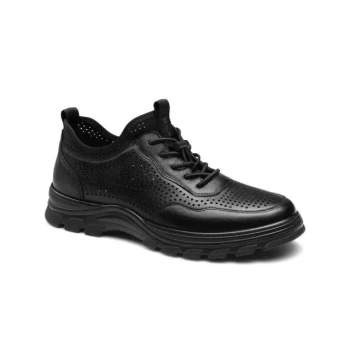
The accuracy of gait analysis is fundamentally tied to the rigidity of the sensor's connection to the foot. Using lace-up or hook-and-loop sneakers provides the necessary tension to keep shoe-mounted sensors fixed in a singular, stable position. Without this mechanical stability, the technology cannot distinguish between actual foot movement and the "noise" created by a shifting or vibrating sensor.
Secure fastening systems create a unified movement profile between the foot, the shoe, and the sensor. This eliminates mechanical errors and provides the structural support required for safe rehabilitation and reliable data collection.
Ensuring High-Fidelity Data Collection
Eliminating Sensor Displacement
The primary goal of gait sensors is to track the precise movement of the foot in 3D space. Laces and hook-and-loop straps allow for a customized, tight fit that prevents the sensor from sliding along the upper material of the shoe. If a sensor shifts even a few millimeters, the resulting data can misinterpret the angle of foot strike or the velocity of the swing phase.
Minimizing Mechanical Vibration
High-frequency "shaking" or vibration occurs when a shoe is too loose or lacks a structured fastening system. This vibration introduces signal noise, which can obscure subtle gait characteristics. A secure fastening system dampens these vibrations, ensuring the sensor records clean, actionable biomechanical data.
Maximizing Safety for Clinical Populations
Supporting Structural Alignment
For users with gait impairments, such as stroke survivors, foot stability is a prerequisite for a safe assessment. Supportive footwear with adjustable straps helps maintain proper alignment of the foot and ankle during movement. This support is crucial for preventing the foot from rolling or sliding inside the shoe during the gait cycle.
Mitigating Fall Risks
Gait analysis often involves testing the limits of a user's balance and coordination. Laced or velcro shoes provide a predictable platform that reduces the likelihood of slips, trips, or stumbles. By securing the foot, these shoes ensure the wearer can focus on the exercise rather than compensating for unstable footwear.
Understanding the Trade-offs of Footwear Choice
The Inaccuracy of Slip-On Footwear
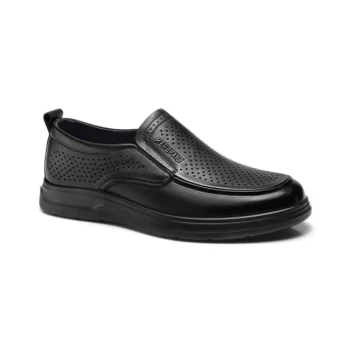
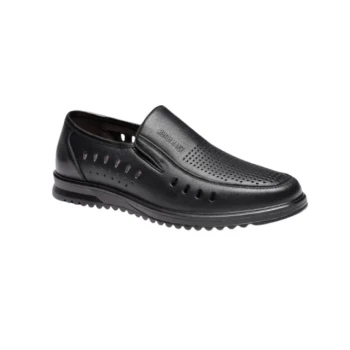
While slip-on shoes are convenient, they typically rely on elastic or a loose fit that is fundamentally incompatible with gait sensors. The lack of tension allows the shoe to move independently of the foot, which compromises the validity of the sensor's readings. Furthermore, slip-ons offer minimal lateral support, increasing the risk for patients with neurological weaknesses.
Consistency vs. User Effort
While some users may prefer slip-ons for ease of use, they introduce a variable that is difficult to control in a clinical setting. Standardizing on lace-up or velcro shoes ensures that data remains comparable across different testing sessions. Hook-and-loop (velcro) systems often provide the best balance between ease of use and the necessary mechanical stability.
How to Apply This to Your Assessment
To achieve the most reliable results, follow these recommendations based on your specific objectives.
- If your primary focus is research-grade data accuracy: Always utilize lace-up sneakers and ensure the sensor is clipped or strapped tightly across the bridge of the foot to eliminate all movement.
- If your primary focus is patient rehabilitation and safety: Prioritize hook-and-loop (velcro) sneakers with a high-traction sole to provide maximum stability for the user while maintaining ease of adjustment.
- If your primary focus is longitudinal tracking: Ensure the user wears the same style of fastened footwear for every session to maintain a consistent sensor-to-foot relationship over time.
By prioritizing a secure fastening system, you ensure that your gait data is both clinically valid and gathered within a safe environment for the user.
Summary Table:
| Feature | Lace-up / Hook-and-Loop Shoes | Slip-on Footwear |
|---|---|---|
| Sensor Stability | High (fixed position) | Low (prone to shifting) |
| Data Fidelity | Clean signal (low noise) | High signal noise/vibration |
| Lateral Support | Strong structural alignment | Minimal support |
| Fall Risk | Low (predictable platform) | Higher (unstable fit) |
| Best Use Case | Clinical research & rehab | Casual wear only |
Elevate your diagnostic accuracy and patient safety with high-performance footwear from 3515. As a large-scale manufacturer serving distributors and brand owners, we offer comprehensive production capabilities for all footwear types. Whether you need our flagship Safety Shoes series or specialized tactical boots, outdoor shoes, and sneakers, our products provide the structural integrity required for precise gait analysis and professional use. Contact us today to discuss bulk requirements and custom manufacturing solutions tailored to your brand's needs.
References
- Kirsten Smayda, Annamaria Dobrin. Validating the Safe and Effective Use of a Neurorehabilitation System (InTandem) to Improve Walking in the Chronic Stroke Population: Usability Study. DOI: 10.2196/50438
This article is also based on technical information from 3515 Knowledge Base .
Related Products
- Wholesale Breathable Athletic Sneakers - Custom Lightweight Cushioned Footwear Manufacturer
- Lightweight Breathable Sneakers with Wet-Traction Grip for Wholesale & Private Label
- Wholesale Lightweight Cushioned Athletic Sneakers for Custom Bulk Production
- Wholesale Smart Casual Sneakers with Dial Closure | Factory Direct Manufacturing
- Durable High-Traction Canvas Sneakers Wholesale & Custom Manufacturing
People Also Ask
- Why are breathable sneakers necessary for tropical commuting? Stay Cool and Dry in High Humidity
- In what ways do high-performance Athletic Shoes support stability and proprioception? Enhance Your Movement Precision
- What is the primary role of shoes in physical activities? Protection, Support & Performance
- What materials are best for athletic activities in warm climates? Stay Cool with Moisture-Wicking Fabrics
- What are athletic shoes designed to do? Achieve Peak Performance and Protection