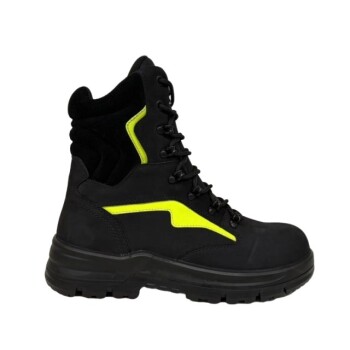
Professional-grade reinforced protective footwear is indispensable in agriculture because it creates a robust barrier against soil-borne pathogens, toxic chemicals, and physical trauma from sharp tools. Unlike standard shoes, these specialized boots utilize waterproof and corrosion-resistant materials to prevent hazardous pesticides from penetrating the skin, while simultaneously offering the structural integrity needed to withstand harsh field conditions.
The core value of reinforced footwear lies in its ability to simultaneously isolate workers from biological and chemical contaminants while providing the critical ergonomic support necessary to sustain physical endurance during long shifts.
The Defense Against Environmental Hazards
Blocking Biological Contaminants
Agricultural soil is rarely sterile; it often harbors bacteria and parasites. Professional-grade footwear is designed to isolate the worker from these soil-borne pathogens. This isolation prevents infections that can occur through contact with contaminated earth or water.
Resisting Chemical Infiltration
Modern farming frequently relies on chemical pesticides and fertilizers. These substances can be corrosive and harmful if they come into contact with the skin. Reinforced footwear features high waterproof and corrosion-resistant properties to ensure these chemicals remain on the outside of the boot.
Mitigating Physical Trauma
Protection Against Sharp Implements
Fieldwork involves the constant use of sharp farming tools and machinery. Standard footwear offers little resistance to punctures or cuts from these implements. Reinforced protective footwear provides a hardened shield, significantly reducing the risk of accidental physical injuries.
Impact Resistance
Beyond cuts, the agricultural environment poses risks from heavy objects and equipment. High-performance safety shoes often incorporate impact resistance to protect the foot from crushing injuries. This structural reinforcement is a critical component of industrial-grade safety standards.
The Ergonomic Factor
Reducing Field Fatigue
Field labor requires extended periods of standing and walking on uneven terrain. Poorly designed footwear accelerates physical exhaustion and discomfort. Ergonomic design in professional footwear supports the foot structure, helping to alleviate fatigue during these long shifts.
Lowering Work-Related Stress
Physical discomfort contributes to overall work-related stress. By incorporating features like anti-slip outsoles and arch support, these shoes improve general workplace conditions. This reduction in physical strain allows workers to maintain focus and safety over time.
Common Pitfalls to Avoid
Overlooking Chemical Resistance
A common mistake is selecting footwear based solely on physical durability (toughness) while ignoring chemical resistance. If a boot is reinforced against impact but lacks corrosion resistance, chemical agents can still degrade the material and reach the skin. Ensure the footwear is rated specifically for the types of pesticides or fertilizers used in your environment.
Neglecting Ergonomic Support
It is easy to prioritize protection at the cost of comfort, but this is a dangerous trade-off. Ignoring ergonomic support features can lead to chronic pain and increased accident risk due to fatigue. Protective gear must balance the "shielding" aspects with the wearability required for prolonged standing.
Making the Right Choice for Your Goal
Select your footwear based on the specific primary risks of your daily tasks:
- If your primary focus is Chemical Safety: Prioritize boots with certified waterproof and corrosion-resistant properties to prevent skin absorption of pesticides.
- If your primary focus is Physical Endurance: Look for footwear emphasizing ergonomic support and anti-slip outsoles to reduce fatigue from prolonged standing.
Invest in gear that addresses the full spectrum of agricultural hazards—biological, chemical, and physical.
Summary Table:
| Feature | Protection Benefit | Practical Application |
|---|---|---|
| Reinforced Shielding | Prevents punctures & crushing | Handling sharp tools & heavy machinery |
| Chemical Resistance | Blocks toxins & corrosives | Spraying pesticides & applying fertilizers |
| Biological Barrier | Isolates soil-borne pathogens | Working in non-sterile soil or mud |
| Ergonomic Support | Reduces fatigue & joint strain | Long shifts on uneven field terrain |
| Anti-Slip Outsoles | Enhances grip & stability | Navigating wet or muddy environments |
Elevate Your Workforce Safety with 3515 Footwear Solutions
As a large-scale manufacturer serving distributors and brand owners, 3515 offers comprehensive production capabilities for all footwear types, anchored by our flagship Safety Shoes series. We understand the rigorous demands of agricultural and industrial environments. Our extensive portfolio covers work and tactical boots, outdoor shoes, training shoes, and sneakers, as well as Dress & Formal shoes to meet diverse bulk requirements.
Partner with us to provide your customers with superior protection, durability, and ergonomic comfort. Contact us today to discuss your wholesale or custom manufacturing needs and see how our heritage of quality can add value to your brand.
References
- Rama Prajapati, Suja Giri. Status of Occupational Health and Safety in Nepal: Current Scenario and Strategies for Improvement. DOI: 10.3126/jomra.v1i2.61194
This article is also based on technical information from 3515 Knowledge Base .
Related Products
- Premium Grain Leather Safety Boots for Bulk Supply
- Wholesale Customizable Safety Boots Durable & Protective Footwear Manufacturing
- Premium Wheat Nubuck Safety Shoes for Bulk Distribution
- Durable Steel Toe Safety Boots Wholesale & Custom Manufacturing
- Wholesale Anti-Smash & Puncture-Proof Safety Shoes Custom Manufacturing for Brands
People Also Ask
- What makes durable safety boots? The Ultimate Guide to Long-Lasting Work Footwear
- What primary protective functions do professional safety boots provide in urban solid waste recovery and waste picking processes? Discover Dual-Layer Protection.
- Why is ankle and arch support important in safety footwear? Prevent Injury & Fatigue
- Which organizations develop safety standards for work boots? Ensure Compliance & Worker Safety
- What are the key features of safety boots? Essential Protection for Hazardous Workplaces