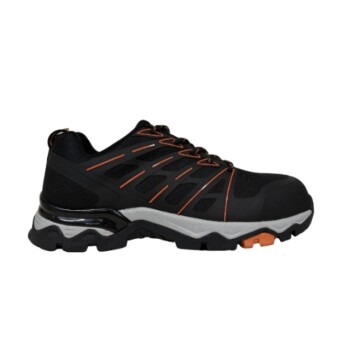
Strict control of contact pressure and angles during SATRA standard slip resistance testing is mandatory because friction is highly sensitive to external variables. Without high-precision regulation of these mechanics, experimental noise creates inconsistent data, making it impossible to determine the true safety performance of materials like PU, TPR, and PVC. This rigour ensures that the resulting slip resistance data is not just an estimate, but a verifiable and repeatable scientific metric.
Friction is not a fixed property; it fluctuates wildly based on how two surfaces interact. Strict standardization transforms these fluctuating variables into reliable data, ensuring that a passing grade in the lab translates to legitimate safety in the field.
The Science of Sensitivity
The Volatility of Friction
Friction properties are inherently unstable. They change largely based on the contact pressure applied and the angle at which the footwear strikes the surface.
Eliminating Experimental Noise
If testing parameters fluctuate even slightly, the data becomes noisy and unreliable. By using high-precision equipment to lock in sliding speed, pressure, and angles, manufacturers isolate the material's performance from human error or environmental inconsistency.
Ensuring Repeatability
For data to be scientifically valid, it must be repeatable. Strict controls allow different laboratories to test the same shoe made of TPR (Thermoplastic Rubber) or PVC and achieve the same results, confirming the data is objective rather than circumstantial.
Replicating Real-World Mechanics
Simulating the Stride
The SATRA methodology is designed to replicate the biomechanics of walking. Specifically, it evaluates critical moments in a stride, such as the heel strike and toe off.
Controlled Contact Angles
To accurately model these stride phases, the angle of the shoe against the floor must be precise. Deviating from the standard angle would misrepresent how a person actually slips, rendering the test results inapplicable to human safety.
Managing Contaminants
Real-world slips often involve water or oil. The testing standard regulates the presence of these contaminants on surfaces like quarry tiles to ensure the coefficient of friction reflects hazardous conditions, not just dry, ideal floors.
Understanding the Trade-offs
Lab Precision vs. Real-World Chaos
While strict control creates perfect data, it creates a highly idealized environment. A laboratory setting eliminates interference from wind, temperature fluctuations, and uneven road surfaces, which are common in actual work environments.
The Limits of Standardization
Standardization focuses on specific gait parameters to ensure reliability. However, this means the test may not account for every unique walking style or unusual surface irregularity found in the field.
Making the Right Choice for Your Goal
To utilize slip resistance data effectively, you must align the testing protocols with your specific objectives.
- If your primary focus is Safety Compliance: Ensure your footwear achieves a coefficient of friction of at least 0.40 to meet ASTM F-2913 standards for hazardous conditions.
- If your primary focus is Material Development: Focus on the repeatability of the data to accurately compare the grip differences between compounds like durable rubber, PU, and PVC.
Reliable safety gear starts with data that separates the material's true performance from the noise of the environment.
Summary Table:
| Parameter | Impact on Testing | Role in Safety Verification |
|---|---|---|
| Contact Pressure | Influences frictional forces | Prevents data noise and ensures load consistency |
| Contact Angle | Replicates heel strike/toe off | Accurately models human biomechanics during a slip |
| Sliding Speed | Stabilizes the coefficient | Eliminates experimental variables for repeatability |
| Contaminants | Simulates oil/water hazards | Verifies performance on high-risk surfaces like tiles |
Partner with 3515 for Rigorous Footwear Excellence
As a premier large-scale manufacturer serving global distributors and brand owners, 3515 leverages high-precision testing standards to deliver footwear that excels in safety and durability. Our flagship Safety Shoes series is engineered for maximum slip resistance, ensuring your customers remain safe in the most hazardous environments.
Beyond safety, our comprehensive production capabilities cover:
- Tactical & Work Boots
- Outdoor & Training Shoes
- Athletic Sneakers
- Dress & Formal Shoes
Choose a partner that prioritizes scientific verification and bulk manufacturing expertise. Contact us today to discuss your footwear development and procurement needs.
References
- S. Jaiganesh, K. Elayaraja. Investigating Grip Study of Different Types of Footwear Soiling Materials in SATRA Std. DOI: 10.5281/zenodo.6827368
This article is also based on technical information from 3515 Knowledge Base .
Related Products
- Premium Suede Sport Safety Shoes for Wholesale & Bulk Orders
- Premium Lightweight Safety Shoes for Wholesale & Bulk Orders
- Wholesale Anti-Smash & Puncture-Proof Safety Shoes Custom Manufacturing for Brands
- Premium KPU Injection Athletic Style Safety Shoes
- Premium Safety Shoes with Rotating Buckle Safety Sneakers
People Also Ask
- What industries have specific OSHA footwear requirements? Ensure Compliance & Protect Your Workforce
- What are the primary functions of professional safety shoes? Maximize Safety in Water Supply Confined Spaces
- What role do specialized safety shoes play in preventing falls? Engineering Stability in Industrial Environments
- How do specialized safety shoes protect against battery maintenance injuries? Prevent Impact and Chemical Burns
- How do the 3R principles influence green footwear design? Master Sustainable Safety Shoe Manufacturing