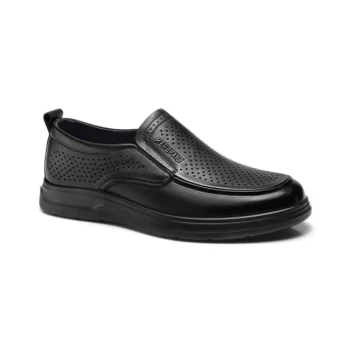
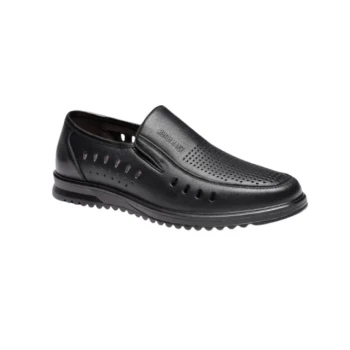
No, slip-resistant shoes no longer require a compromise on style. Modern safety footwear has evolved significantly, integrating advanced grip technology into a wide range of designs, from professional dress shoes to contemporary sneakers. The assumption that functional shoes must be aesthetically lacking is a relic of the past.
The core issue is not a choice between safety and style, but rather an understanding that slip-resistant shoes are purpose-built. While they may not replicate the exact look of a high-fashion shoe, they offer a vast array of stylish options designed to meet the demands of a specific environment without sacrificing a professional or personal look.
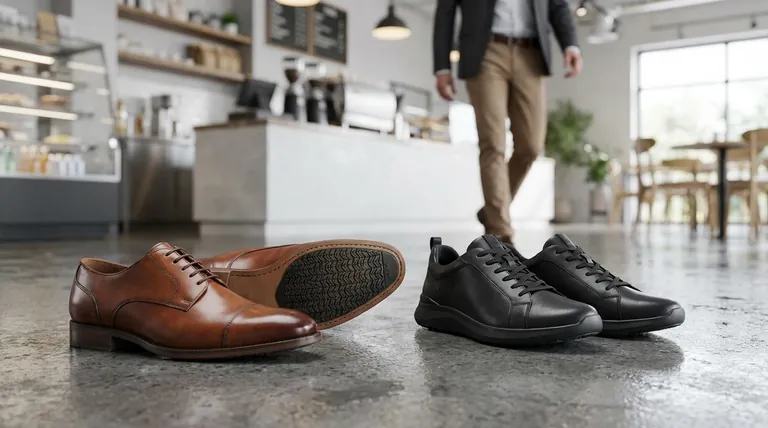
What Makes a Shoe "Slip-Resistant"?
To understand the style conversation, it’s essential to first understand the technology. The design of a slip-resistant shoe is dictated by physics, not just fashion.
The Science of the Sole
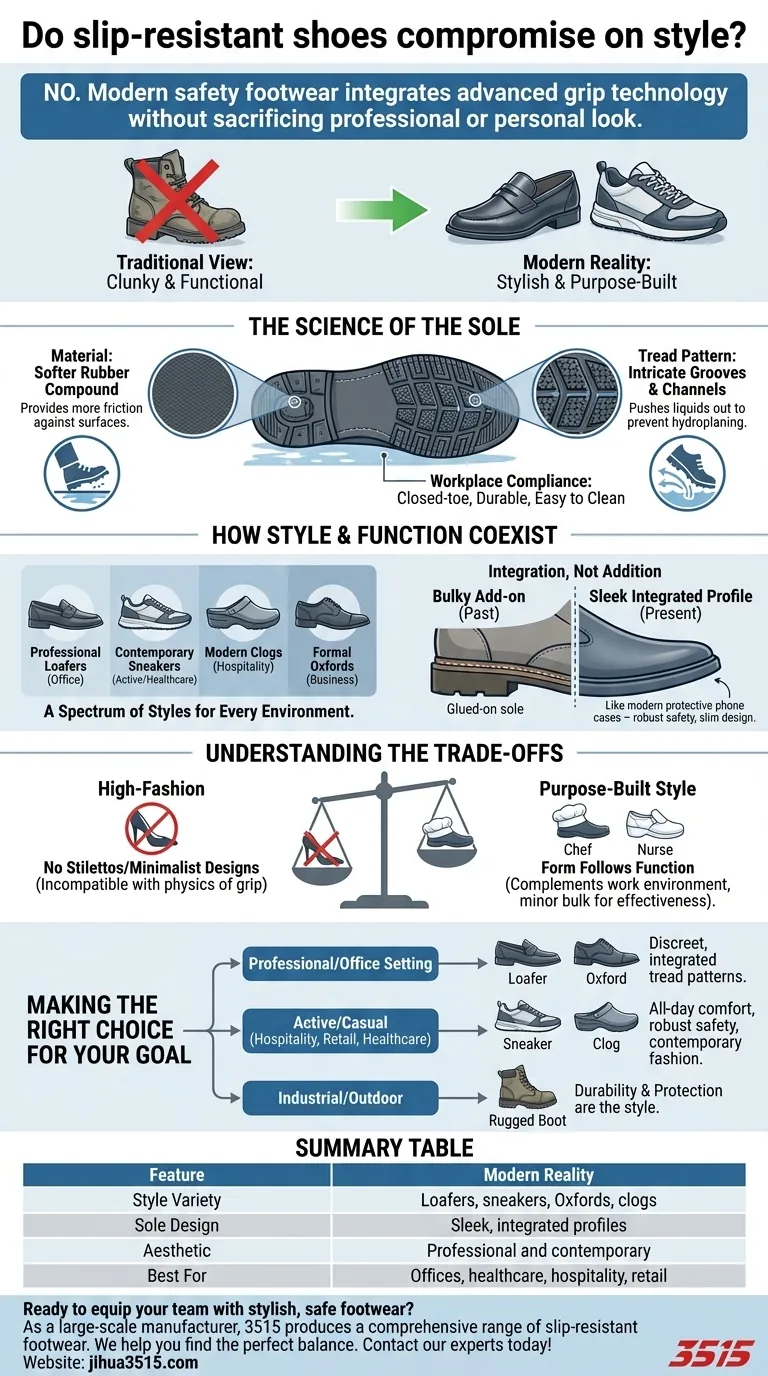
The grip comes from two key elements: the sole's material and its tread pattern. The material is typically a softer rubber compound that provides more friction against a surface.
The tread features intricate patterns with tiny channels or grooves. These are designed to push liquids out from under the shoe, allowing the sole to make direct contact with the floor and preventing hydroplaning.
More Than Just a Tread
True slip-resistant footwear is often designed for workplace compliance. This means they usually feature closed-toe and closed-heel construction and are made from durable materials like leather or high-grade synthetics that can be easily cleaned.
These functional requirements inherently shape the shoe's overall silhouette, but modern designers have learned to incorporate them seamlessly.
How Style and Functionality Now Coexist
The key shift has been in design philosophy. Manufacturers now build style around the safety features, rather than adding safety features as an afterthought to a clunky design.
A Spectrum of Styles
You can now find slip-resistant technology in nearly every major shoe category. This includes professional loafers, athletic-style sneakers, clogs, and even formal-looking Oxfords.
The variety ensures you can match your footwear to a specific dress code or personal taste, from a hospital floor to a restaurant front-of-house.
Integration, Not Addition
Modern designs are more sophisticated. The safety sole is integrated into the shoe's profile, making it less bulky and obvious. Think of it like modern protective phone cases—they provide robust safety without turning the device into a brick.
Materials and Color Choices
Manufacturers recognize the importance of aesthetics. Slip-resistant shoes are now available in a wide array of colors, from neutral blacks and grays to more expressive options, and in various materials that mimic the look and feel of standard fashion footwear.
Understanding the Trade-offs
While style is no longer a major compromise, it's important to set realistic expectations. Slip-resistant shoes are specialized equipment.
The "High-Fashion" Comparison
You will not find a slip-resistant sole on a stiletto heel or a minimalist, paper-thin dress shoe. The fundamental physics of grip require a certain sole thickness and surface area that are incompatible with extreme fashion designs.
Function Defines Form
The style of a slip-resistant shoe is always viewed through the lens of its purpose. A sleek slip-resistant loafer is exceptionally stylish for a work environment but may not be the choice for a formal gala. The aesthetics are designed to complement a professional or service-oriented setting.
The Minor Bulk Factor
To be effective, a slip-resistant sole needs to be made of a softer, often thicker, rubber. This can sometimes result in a slightly bulkier profile compared to a standard casual shoe, though this difference has become minimal in modern designs.
Making the Right Choice for Your Goal
Your choice depends entirely on your environment and aesthetic requirements.
- If your primary focus is a professional or office setting: Look for slip-resistant loafers or Oxford-style shoes that feature discreet, integrated tread patterns.
- If your primary focus is an active, casual workplace (hospitality, retail, healthcare): Modern sneaker and clog styles offer the best combination of all-day comfort, robust safety, and contemporary fashion.
- If your primary focus is an industrial or outdoor environment: Choose a boot or rugged shoe where durability and protection are the style, as their aesthetic is directly tied to their function.
You no longer have to choose between staying safe and looking good; you simply need to select the right tool for the job.
Summary Table:
| Feature | Traditional View | Modern Reality |
|---|---|---|
| Style Variety | Limited, clunky options | Loafers, sneakers, Oxfords, clogs |
| Sole Design | Bulky and obvious | Sleek, integrated profiles |
| Aesthetic | Purely functional | Professional and contemporary |
| Best For | Industrial settings only | Offices, healthcare, hospitality, retail |
Ready to equip your team with stylish, safe footwear?
As a large-scale manufacturer, 3515 produces a comprehensive range of slip-resistant footwear for distributors, brand owners, and bulk clients. Our production capabilities encompass all types of safety shoes and boots, designed to meet the highest standards of protection without compromising on modern style.
We can help you find the perfect balance of safety and aesthetics for your specific industry needs. Contact our experts today to discuss your requirements and explore our catalog!
Visual Guide
Related Products
- Premium Suede Sport Safety Shoes for Wholesale & Bulk Orders
- Heavy-Duty Waterproof Nubuck Safety Boots Safety Shoes for Bulk Supply
- Advanced KPU Athletic Safety Shoe with Steel Toe Cap Anti-Slip Rotary Lacing System
- Durable High-Traction Canvas Sneakers Wholesale & Custom Manufacturing
- Durable Leather Moc Toe Work Boots for Wholesale & Custom Manufacturing
People Also Ask
- What industries have specific OSHA footwear requirements? Ensure Compliance & Protect Your Workforce
- What are the primary functions of professional safety shoes? Maximize Safety in Water Supply Confined Spaces
- What role do specialized safety shoes play in preventing falls? Engineering Stability in Industrial Environments
- How do complex outsole tread designs in safety shoes work with coated floors? Master Slip Resistance Engineering
- Why must safety training be synchronized with the provision of physical safety shoes? Achieve Optimal Workplace Protection