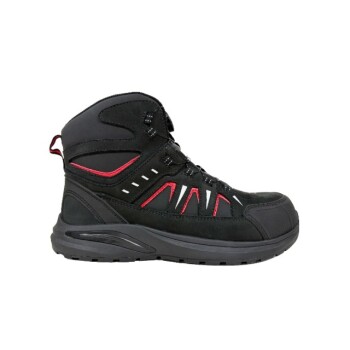
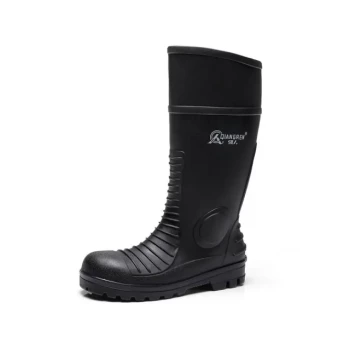
The reliability of safety gear is finite. Conducting regular maintenance and determining a specific service life for industrial safety footwear is necessary because critical protective features—specifically anti-slip treads and steel toe caps—degrade significantly over time. Without strict oversight, invisible material aging and visible wear render the footwear incapable of preventing injuries during an actual workplace accident.
Protective equipment inevitably loses functionality through daily usage and environmental exposure. Establishing a standardized inspection and replacement protocol is the only way to guarantee that safety mechanisms, such as compression resistance and traction, remain operational within functional safety standards.
The Mechanics of Protection Failure
Degradation of Material Toughness
Industrial footwear is engineered to withstand harsh conditions, but the materials involved are subject to aging and fatigue. Over time, the structural integrity of the shoe weakens.
This degradation compromises the footwear's ability to absorb shock or resist penetration. If the material toughness falls below safety standards, the shoe offers a false sense of security rather than actual protection.
Compromised Compression Resistance
The steel toe cap is designed to prevent crushing injuries, but its effectiveness relies on the integrity of the surrounding structure.
As the footwear ages, the materials supporting the cap may deteriorate. If these components fail under pressure, the compression resistance of the toe cap is nullified, leaving the worker vulnerable to crushing hazards.
Loss of Traction and Stability
One of the most immediate risks comes from outsole wear. The depth of the tread is directly correlated to the shoe's anti-slip performance.
As the tread wears down, friction decreases. This sharp decline in performance drastically increases the likelihood of slip-and-fall accidents in production environments.
Common Pitfalls to Avoid
Relying on Failure Before Replacement
A common mistake is waiting for visible damage before replacing footwear. Material aging often occurs before the shoe looks physically broken.
Waiting for structural failure means the worker is unprotected during the period leading up to the replacement. Maintenance checks must identify performance dips before total failure occurs.
Inconsistent Inspection Standards
Ad hoc checks are insufficient for industrial safety. Without a standardized mechanism, dangerous wear patterns on outsoles or internal material fatigue can be easily overlooked.
Implementing a Standardized Safety Protocol
To ensure continuous protection, you must transition from reactive replacement to a proactive management lifecycle.
- If your primary focus is preventing immediate accidents: implement strict tread depth measurements to identify slip risks before they cause falls.
- If your primary focus is long-term compliance: establish a fixed service life based on usage intensity to replace gear before material aging compromises impact resistance.
Proactive maintenance is the barrier between a near-miss and a reportable injury.
Summary Table:
| Key Maintenance Aspect | Protection Risk | Primary Failure Mode | Recommended Action |
|---|---|---|---|
| Outsole Tread | Slip and Fall | Loss of friction/traction | Monthly depth measurements |
| Steel Toe Cap | Crushing Injuries | Support structure fatigue | Structural integrity check |
| Material Toughness | Penetration/Shock | Aging and chemical degradation | Fixed-interval replacement |
| Overall Structure | Instability | General wear and tear | Standardized daily inspection |
Secure Your Workforce with Proactive Safety Solutions
As a large-scale manufacturer serving distributors and brand owners, 3515 offers comprehensive production capabilities for all footwear types, anchored by our flagship Safety Shoes series. We understand that maintaining a standardized safety protocol is vital for your reputation and worker well-being.
Our extensive portfolio covers work and tactical boots, outdoor shoes, training shoes, and sneakers, as well as Dress & Formal shoes to meet diverse bulk requirements with uncompromising quality. Let us help you manage your safety footwear lifecycle effectively—contact us today to discuss volume manufacturing and high-performance safety standards!
References
- Huwida Abd El-Kareem Al-Kady, Samah Said Sabry. Safety Measures and First Aid Practices among Oil and Soap Workers. DOI: 10.21608/jnsbu.2022.215390
This article is also based on technical information from 3515 Knowledge Base .
Related Products
- Premium Wholesale Waterproof Safety Boots High Performance Protection for Industrial Markets
- Premium Waterproof High-Cut Industrial Safety Boots for Wholesale and Bulk Orders
- Puncture-Resistant Velcro Safety Boots for Wholesale & Custom Manufacturing
- Wholesale Mesh Steel Toe Safety Shoes with Dial Closure Factory Production
- Premium Wholesale Tactical Style Safety Shoes Boots with Quick Lacing
People Also Ask
- What weather and chemical protections do premium boots offer? Your Complete Guide to Safety & Performance
- Why are waterproof safety boots recommended for certain work environments? Essential Protection for Wet & Hazardous Jobs
- What are the primary protective functions of industrial safety boots in oil palm plantations? Master Rough Terrain Safety
- Why are oil-resistant and anti-slip properties critical for industrial safety boots? Expert Outsole Engineering Guide
- What are the best types of shoes for different gardening conditions? Find Your Perfect Match.