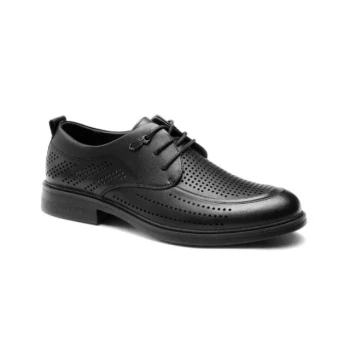
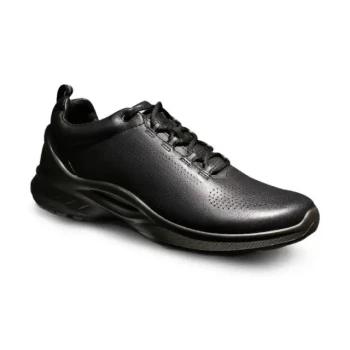
Wearing proper footwear for sports is non-negotiable because it serves as the critical interface between your body and the playing surface. The right shoe is not a mere accessory; it is a piece of specialized equipment designed to prevent injury, enhance performance, and provide the foundational support necessary for complex athletic movements. Using the wrong shoe exposes your feet, ankles, and even knees to significant, avoidable risks.
The central reason for sport-specific footwear is that it functions as a tool engineered for a specific task. Each shoe is built to manage unique forces, support distinct movement patterns, and mitigate injury risks that a generic shoe is simply not equipped to handle.
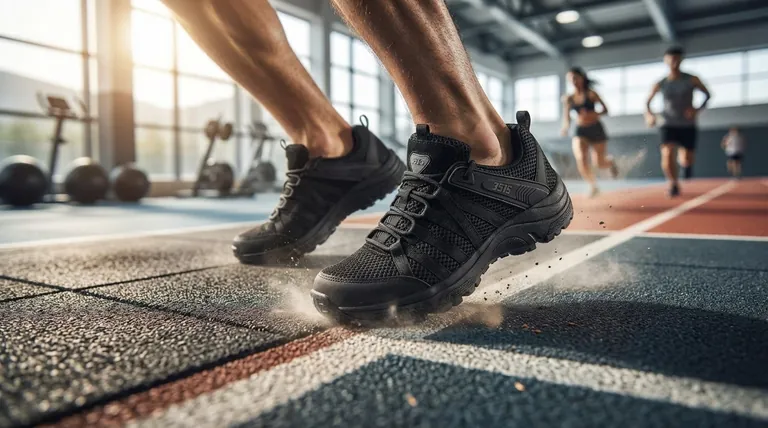
The Foundation: Injury Prevention
The most critical role of proper athletic footwear is to protect your body from the stress of a given activity. An ounce of prevention in your shoe choice is worth a pound of cure in physical therapy.
Managing High-Impact Forces
Every step you run and every jump you land sends shockwaves through your body. Athletic shoes are designed with specialized cushioning systems to absorb this impact, protecting the joints in your feet, ankles, knees, and even your hips and lower back from repetitive strain.
Providing Biomechanical Support
Different sports involve different movements. A running shoe is built for forward motion, often with features to control pronation (the natural inward roll of the foot). In contrast, a basketball or tennis shoe is built with enhanced lateral support to prevent your ankle from rolling during sharp, side-to-side cuts.
Ensuring a Secure Fit
An improper fit is a direct path to problems. Shoes that are too tight can cause blisters, bunions, and cramping, while shoes that are too loose allow your foot to slide, reducing stability and causing friction-related injuries.
Beyond Safety: Enhancing Performance
Once safety is addressed, the right footwear becomes a direct contributor to your athletic output. The correct shoe allows your body to move more efficiently and powerfully.
Optimizing for Specific Movements
Footwear is tailored to the primary movements of a sport. Running shoes often have a "rocker" shape to promote a smooth heel-to-toe transition. Court shoes have tacky, flat outsoles for maximum grip on indoor surfaces. Cleats have studs to dig into turf for traction.
Reducing Muscular Fatigue
When your feet are properly cushioned and supported, the small stabilizing muscles in your feet and lower legs don't have to work as hard. This conservation of energy leads to reduced fatigue and improved endurance over the course of a game or workout.
Creating a Stable Platform
All athletic power originates from the ground up. A stable shoe provides a solid platform for this power transfer. Whether you're pushing off for a sprint or planting your feet for a lift, the right shoe ensures that minimal energy is lost due to foot instability.
Understanding the Common Pitfalls
Choosing the right shoe also means avoiding common mistakes that can negate the benefits and introduce new risks.
The "One-Shoe-Fits-All" Myth
Using a running shoe for court sports is a classic mistake. The soft, cushioned midsoles of running shoes are unstable during lateral movements, dramatically increasing the risk of an ankle sprain. Each activity requires its own functional design.
Prioritizing Fashion Over Function
While aesthetics are a valid consideration, they should never be the primary driver for an athletic shoe purchase. A fashionable but ill-suited shoe can lead directly to the aches, pains, and acute injuries mentioned in the references.
Ignoring Your Personal Biomechanics
Even within the same sport, the "best" shoe differs from person to person. Factors like your foot arch (flat, neutral, high) and gait pattern determine the level and type of support you need for optimal function and safety.
Making the Right Choice for Your Activity
Your goal should directly inform your footwear. Use this as a guide to select the right equipment for your needs.
- If your primary focus is running or walking: Prioritize sport-specific cushioning and a design that matches your individual foot arch and gait.
- If your primary focus is court sports (basketball, tennis, volleyball): Seek out shoes with excellent lateral support, a durable outsole for grip, and a stable base to prevent ankle injuries.
- If your primary focus is field sports (soccer, football, baseball): Select cleats specifically designed for the playing surface (firm ground, turf, etc.) to ensure optimal traction.
- If your primary focus is general gym training or cross-training: Look for a versatile shoe with a flatter, more stable sole that can handle light runs, agility drills, and lifting.
Investing in proper athletic footwear is a direct investment in your performance, enjoyment, and long-term physical health.
Summary Table:
| Key Benefit | What It Means for You |
|---|---|
| Injury Prevention | Absorbs impact, supports ankles, and prevents sprains and strains. |
| Enhanced Performance | Improves traction, stability, and power transfer for better results. |
| Reduced Fatigue | Proper cushioning and support help you last longer in your activity. |
| Sport-Specific Design | Tailored for the unique movements of running, basketball, tennis, etc. |
Ready to equip your customers with superior footwear?
As a large-scale manufacturer, 3515 produces a comprehensive range of high-performance athletic shoes and boots for distributors, brand owners, and bulk clients. Our production capabilities ensure you get the right footwear—from running and court shoes to cleats and training gear—designed to prevent injury and enhance athletic performance.
Contact us today to discuss your specific needs and place a bulk order!
Visual Guide

Related Products
- Athletic Safety Shoes with Dial Closure & Steel Toe for Wholesale & Custom Manufacturing
- Wholesale Breathable Training Shoes Custom Athletic Footwear Manufacturer
- Wholesale Breathable Athletic Sneakers - Custom Lightweight Cushioned Footwear Manufacturer
- Premium KPU Athletic Safety Shoes for Wholesale
- Wholesale Lightweight Cushioned Athletic Sneakers for Custom Bulk Production
People Also Ask
- What are the primary protective functions of safety shoes with steel toes in the automotive repair industry?
- In what ways do high-performance Athletic Shoes support stability and proprioception? Enhance Your Movement Precision
- Why are athletic shoes recommended for walking? The Key to Joint Protection and Injury Prevention
- What is the importance of grip in athletic footwear? Prevent Lower Limb Injuries with Optimal Slip Resistance
- How do specialized lightweight foam midsole materials contribute to the performance and safety of athletic shoes?