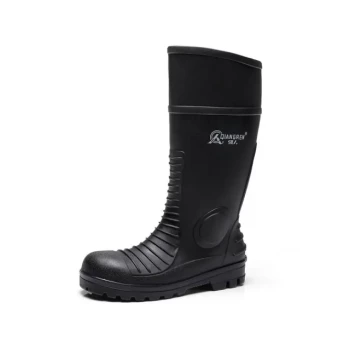
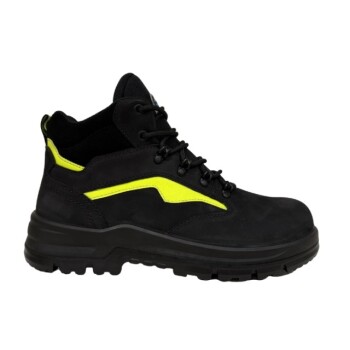
In a construction environment, your boots are foundational safety equipment. Proper foot support is critical because it directly translates to your stability, endurance, and overall safety on the job site. It functions to prevent immediate injuries like slips and sprained ankles while also mitigating the long-term fatigue that comes from spending hours on hard, unforgiving surfaces.
The importance of foot support extends far beyond simple comfort; it is an active safety system. A well-supported foot creates a stable base that reduces the risk of musculoskeletal injuries, prevents slips and falls, and conserves your energy, allowing you to maintain focus and function safely throughout a demanding workday.
The Mechanics of Support: From Stability to Safety
Properly engineered foot support is a system designed to work with your body, not against it. It provides the external structure needed to maintain alignment and reduce stress under demanding conditions.
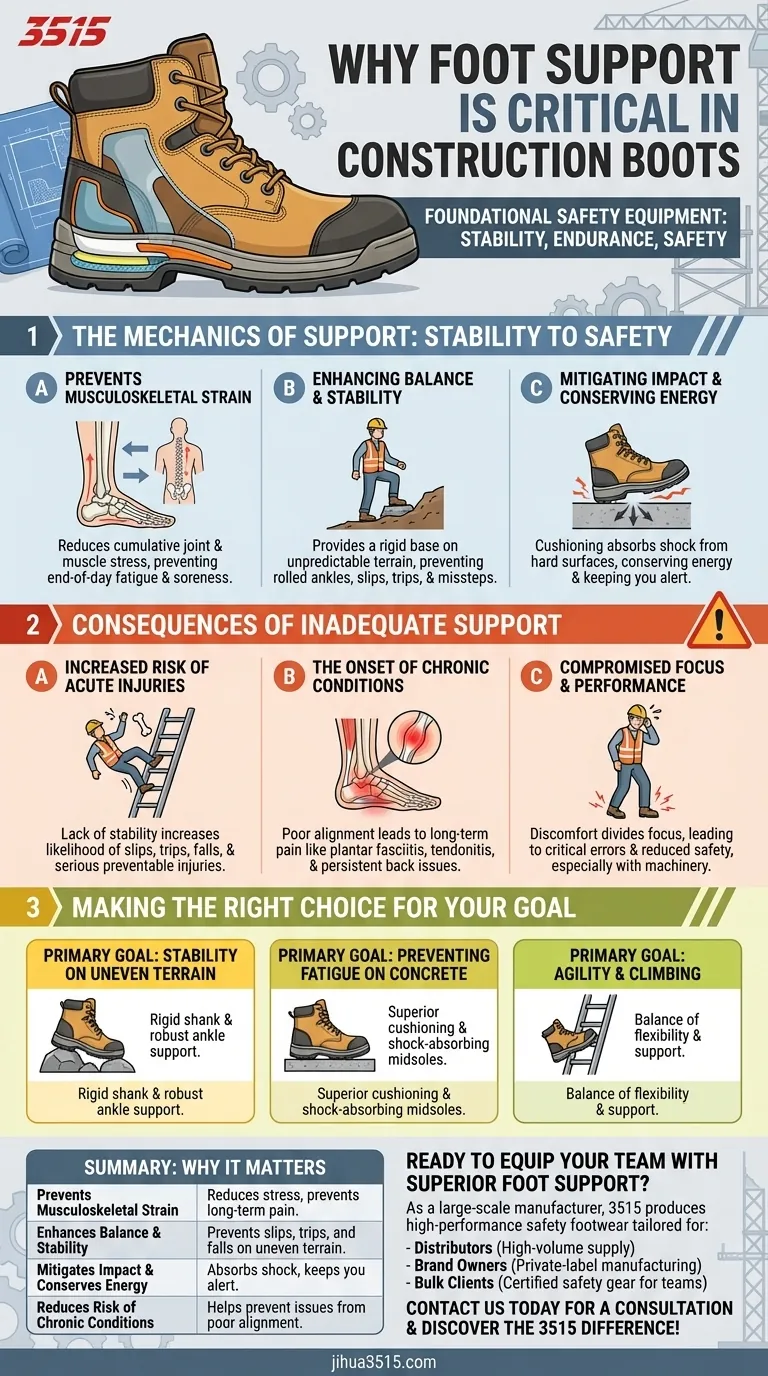
Preventing Musculoskeletal Strain
Your feet are the foundation for your entire body. Proper support ensures your foot, ankle, knees, and even your back are correctly aligned.
This alignment drastically reduces the cumulative stress placed on your joints and muscles, which is the primary cause of end-of-day fatigue and soreness.
Enhancing Balance and Stability
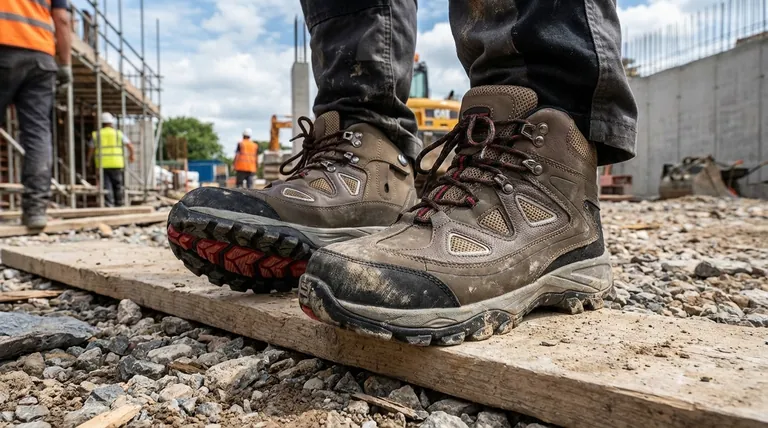
Construction sites are rarely flat or even. A supportive boot provides a rigid, stable platform that helps you maintain balance on unpredictable terrain.
This is crucial for preventing the most common job site accidents, including rolled ankles, slips, trips, and missteps when climbing ladders or operating machinery.
Mitigating Impact and Conserving Energy
Walking on concrete or steel all day sends constant shockwaves through your body. Good support systems incorporate cushioning that absorbs this impact.
By reducing the shock your body has to absorb, you conserve valuable energy. This not only keeps your feet from feeling tired but also helps you stay more alert and focused on the task at hand.
The Consequences of Inadequate Support
Choosing boots with poor support introduces unnecessary and significant risks. These consequences range from immediate accidents to long-term health issues.
Increased Risk of Acute Injuries
The most immediate danger of poor support is a lack of stability. This directly leads to a higher likelihood of slips, trips, and falls.
Without a secure foundation, a simple misstep on a ladder or an awkward movement on an elevated platform can result in a serious, preventable injury.
The Onset of Chronic Conditions
Over time, poor foot alignment caused by inadequate support can lead to chronic pain.
Conditions like plantar fasciitis, tendonitis, and persistent lower back pain are often linked to years of working in footwear that fails to provide proper structure.
Compromised Focus and Performance
Physical discomfort is a major distraction. When your feet hurt, your focus is divided between your work and your pain.
This diminished focus can lead to critical errors in judgment, especially when operating heavy machinery or working in high-risk environments. A fatigued worker is a less safe worker.
Making the Right Choice for Your Goal
When selecting your boots, align the support features with the primary demands of your specific job.
- If your primary focus is stability on uneven terrain: Prioritize boots with a rigid shank and robust ankle support to prevent twists and sprains.
- If your primary focus is preventing fatigue on concrete: Look for superior cushioning and shock-absorbing midsoles that reduce the daily impact on your joints.
- If your primary focus is agility and climbing: Select a boot that offers a balance of flexibility and support, ensuring you can maneuver safely without being overly restricted.
Investing in the right foot support is a direct investment in your daily safety and your long-term health.
Summary Table:
| Key Benefit | Why It Matters |
|---|---|
| Prevents Musculoskeletal Strain | Reduces stress on joints and back, preventing long-term pain and fatigue. |
| Enhances Balance & Stability | Provides a stable platform on uneven terrain to prevent slips, trips, and falls. |
| Mitigates Impact & Conserves Energy | Absorbs shock from hard surfaces, keeping you alert and focused throughout the day. |
| Reduces Risk of Chronic Conditions | Helps prevent issues like plantar fasciitis and tendonitis caused by poor alignment. |
Ready to Equip Your Team with Superior Foot Support?
As a large-scale manufacturer, 3515 produces a comprehensive range of high-performance safety footwear designed specifically for the demands of the construction industry. We provide durable, supportive boots that protect your workforce from acute injuries and chronic pain, enhancing on-site safety and productivity.
Our production capabilities encompass all types of safety shoes and boots, tailored for:
- Distributors seeking reliable, high-volume supply.
- Brand Owners looking for quality private-label manufacturing.
- Bulk Clients needing to outfit large teams with certified safety gear.
Let's discuss how we can support your business. Contact us today for a consultation and discover the 3515 difference!
Visual Guide
Related Products
- Durable Leather Work Boots Wholesale Manufacturer & Custom Factory
- Durable Leather Work Boots for Wholesale & Custom Manufacturing
- Durable Leather Moc Toe Work Boots for Wholesale & Custom Manufacturing
- Durable Leather Work Boots for Wholesale & Custom OEM Manufacturing
- Wholesale Customizable Safety Boots Durable & Protective Footwear Manufacturing
People Also Ask
- What are the common workplace hazards that can be mitigated with the right work boots? Protect Your Workforce
- What certification standard do all work boots meet? Your Guide to ASTM F2413 & Beyond
- What are the main differences between 6 inch and 8 inch boots? Support vs. Mobility Explained
- What options are available for restoring worn-out work boots? Expert Strategies for Longevity
- Which brands are known for high-quality work boots? A Guide to Durable, Safe Footwear