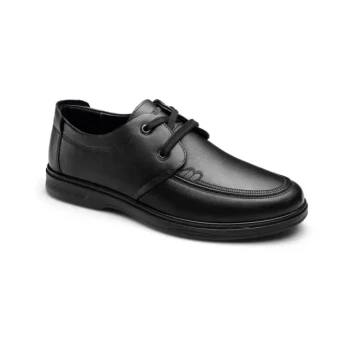
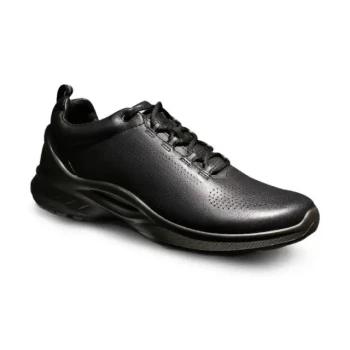
An extra-wide toe box is a mechanical necessity, not merely a comfort feature, for treating Hallux Valgus. This design is essential because the condition causes the forefoot to widen significantly due to the bony protrusion at the first metatarsophalangeal (MTP) joint. By expanding the internal space, the shoe prevents the upper material from exerting direct mechanical compression on the deformity.
Hallux Valgus changes the geometry of the foot, creating a wider structural profile that standard footwear cannot accommodate. An extra-wide toe box eliminates the constrictive forces that drive pain, while providing the necessary internal volume for corrective orthotics.
The Mechanics of Deformity and Fit
Accommodating Structural Widening
Hallux Valgus is defined by the physical displacement of the big toe and the protrusion of the first MTP joint.
This anatomical shift makes the forefoot naturally wider than a standard foot. An extra-wide toe box is required to match this altered geometry, ensuring the shoe contours to the foot rather than forcing the foot to conform to the shoe.
Eliminating Direct Compression
Standard footwear creates a friction point against the protruding bone.
Therapeutic designs remove this friction by providing clearance around the deformity. This prevents the shoe material from pressing inward, which is the primary source of irritation and skin breakdown over the bunion.
Dynamic Protection During Movement
Reducing Medial Pressure
The most critical function of the wide toe box occurs while walking.
During the gait cycle, the foot naturally expands. The extra width significantly reduces pressure on the medial side of the first MTP joint, which is typically the most painful area for patients with this condition.
Preventing Lateral and Dorsal Constriction
Pain does not only occur on the side of the big toe.
A properly designed wide toe box also prevents lateral (side) and dorsal (top) compression. This ensures that the toes are not squeezed together or pressed down from above, which helps alleviate localized pain across the entire forefoot.
Understanding the Trade-offs
Width Must Be Paired with Stability
While space is essential, excessive width without proper fastening can lead to instability.
If the shoe is too loose, the foot may slide forward or sideways inside the shoe. This internal movement can create sheer forces (rubbing) that act differently than compression but are equally damaging to the skin.
Material Flexibility is Critical
Width alone is often insufficient to fully resolve pain.
As noted in clinical best practices, the wide design must be combined with flexible upper materials. Without flexibility, even a wide shoe can create rigid pressure points if the foot swells or moves dynamically.
Volume for Interventions
A wide toe box often correlates with increased shoe depth.
This additional internal volume is fundamental for the insertion of foot orthotics. Without an extra-wide design, adding an orthotic would raise the foot inside the shoe, pushing the bunion against the shoe upper and negating the benefits of the device.
Making the Right Choice for Your Goal
To select the most effective therapeutic footwear, consider your specific treatment objectives:
- If your primary focus is immediate pain relief: Prioritize a shoe that combines an extra-wide box with highly flexible upper materials to minimize pressure on the medial MTP joint during walking.
- If your primary focus is biomechanical correction: Ensure the shoe offers an extra-wide and deep design to provide sufficient internal volume for the comfortable insertion of custom orthotics.
The correct therapeutic shoe does not just fit the foot; it accommodates the pathology to restore mobility.
Summary Table:
| Feature | Mechanical Benefit | Therapeutic Outcome |
|---|---|---|
| Structural Widening | Matches altered foot geometry | Prevents friction and skin breakdown |
| Medial Clearance | Reduces pressure on the MTP joint | Direct pain relief during gait cycle |
| Internal Volume | Accommodates corrective orthotics | Enhances biomechanical alignment |
| Lateral/Dorsal Space | Prevents toe crowding/pinching | Eliminates secondary pressure points |
Partner with 3515 for High-Performance Therapeutic & Safety Footwear
As a large-scale manufacturer serving global distributors and brand owners, 3515 offers professional production capabilities tailored to demanding foot health and safety requirements. Our flagship Safety Shoes series, alongside our extensive portfolio of work boots, tactical gear, and training sneakers, incorporates advanced ergonomic designs like extra-wide toe boxes to ensure maximum comfort and protection.
Whether you are looking to expand your therapeutic line or source durable industrial footwear, we provide the scale and expertise to meet your bulk requirements. Contact us today to discuss how our manufacturing excellence can add value to your brand.
References
- Hylton B. Menz, Shannon E. Munteanu. Footwear, foot orthoses and strengthening exercises for the non‐surgical management of hallux valgus: protocol for a randomised pilot and feasibility trial. DOI: 10.1186/s13047-022-00553-4
This article is also based on technical information from 3515 Knowledge Base .
Related Products
- Durable Leather High-Ankle Tactical Boots for Wholesale & Custom Manufacturing
- Durable High-Ankle Tactical Boots Wholesale Manufacturer for Custom & Bulk Orders
- Advanced KPU Athletic Safety Shoe with Steel Toe Cap Anti-Slip Rotary Lacing System
- Wholesale Leather Apron Toe Derby Shoes Custom Factory Production
- Wholesale Perforated Comfort Dress Shoes | Custom Derby Shoe Manufacturer
People Also Ask
- How do military uniforms and tactical boots impact the prediction of thermal risk? Essential Safety Insights
- How does the material of tactical boots affect their performance? Choose the Right Material for Your Mission
- Why is sequential analysis utilized to evaluate tactical boots? Master Dynamic Boot Development and Ergonomic Performance
- How do tactical boots differ from regular boots? Performance, Durability & Design Explained
- What are the primary differences between tactical boots and combat boots? Choose the Right Boot for Your Mission