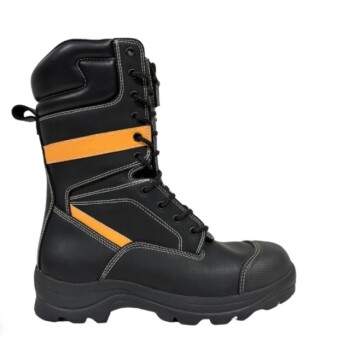
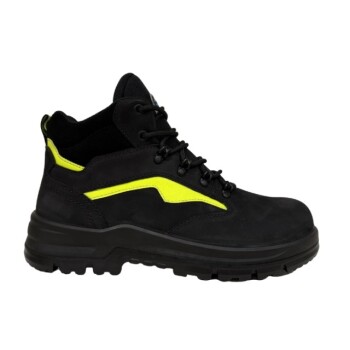
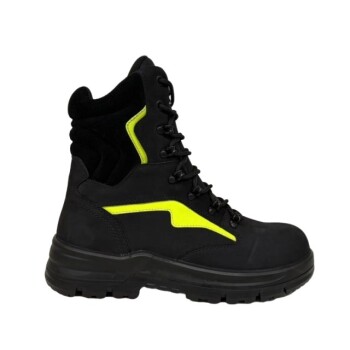
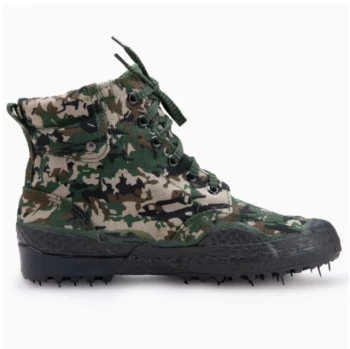
To put it simply, waterproof walking boots are a smart investment because they provide a critical layer of defense against the elements. This protection directly translates into superior comfort, better foot health, and increased durability, allowing you to focus on your journey instead of your feet.
The real value of a waterproof boot isn't just about keeping water out; it's about preventing the chain reaction of discomfort, blisters, and potential injury that begins the moment your feet get wet.
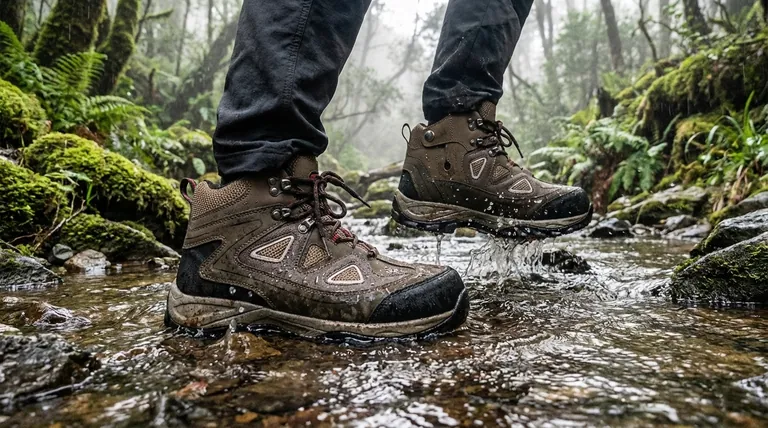
The Foundational Role of Dry Feet
The difference between an enjoyable trek and a miserable ordeal often comes down to foot condition. Keeping your feet dry is the cornerstone of comfort and safety on any trail.
Preventing Discomfort and Distraction
Wet feet quickly become cold and heavy. This physical discomfort is a major distraction that pulls your focus away from navigating the trail and enjoying your surroundings.
The Direct Link to Blisters
Moisture is the primary catalyst for blisters. Wet skin becomes soft, fragile, and far more susceptible to friction from your sock and boot, leading to painful abrasions that can stop a hike in its tracks.
Reducing Health Risks
Prolonged dampness inside your boots creates a breeding ground for bacteria and fungi. This significantly increases the risk of developing issues like athlete's foot or more serious infections, especially on multi-day trips.
The Technology of a Dry Hike
Modern waterproof boots don't just rely on a single material; they employ a system of components working together to block water while managing internal moisture.
The Waterproof Membrane
At the heart of most boots is a waterproof, breathable membrane, such as a Gore-Tex liner. This is a micro-porous layer that is laminated to the inside of the boot's upper.
The pores in the membrane are thousands of times smaller than a water droplet, physically blocking rain and groundwater from getting in.
Critically, these same pores are large enough for individual water vapor molecules (your sweat) to pass through and escape, which is what makes the membrane "breathable."
Fully Sealed Construction
A membrane is useless if water can bypass it. That's why high-quality boots feature fully sealed or taped seams. This construction detail ensures that water cannot seep through the tiny holes created by stitching during the manufacturing process.
Understanding the Trade-offs
While invaluable in many scenarios, waterproof technology is not without its compromises. Acknowledging them is key to choosing the right boot for your specific needs.
Breathability vs. Waterproofing
No waterproof boot will ever be as breathable as a non-waterproof, highly ventilated alternative. In hot and dry climates, a waterproof membrane can trap some heat and sweat, potentially making your feet feel clammy.
The Drying Dilemma
The very technology that keeps water out can also keep it in. If a waterproof boot gets completely flooded—for instance, by stepping in a stream that goes over the cuff—it will take significantly longer to dry out on the trail than a non-waterproof boot.
Cost and Maintenance
The advanced materials and construction techniques required for effective waterproofing mean these boots typically come at a higher price point. They also require occasional maintenance to ensure the outer materials continue to repel water effectively.
Making the Right Choice for Your Goal
Your decision should be based on the environments you most frequently explore.
- If your primary focus is hiking in wet, unpredictable, or marshy climates: A waterproof boot is an essential investment for maintaining safety and comfort.
- If your primary focus is trekking in consistently hot, arid environments: A highly breathable, non-waterproof boot will likely offer superior comfort by maximizing ventilation.
- If your primary focus is all-around versatility for varied conditions: A quality waterproof boot provides the best insurance against changing weather, making it the most reliable choice.
Investing in the right footwear is an investment in the quality and safety of every outdoor adventure you take.
Summary Table:
| Key Benefit | Why It Matters |
|---|---|
| Dry Feet | Prevents blisters, reduces health risks, and eliminates discomfort from moisture. |
| Weather Protection | Advanced membranes like Gore-Tex block rain and mud while allowing sweat to escape. |
| Durability | Built with sealed seams and robust materials for long-lasting performance on tough trails. |
| Versatility | The ideal choice for unpredictable weather and varied terrain, from forests to mountains. |
Ready to equip your next adventure with reliable, high-performance footwear?
As a large-scale manufacturer, 3515 produces a comprehensive range of durable and comfortable waterproof boots for distributors, brand owners, and bulk clients. Our production capabilities ensure top-quality footwear designed to meet the demands of any outdoor environment.
Contact us today to discuss your needs and discover how we can provide the perfect footwear solution for your customers.
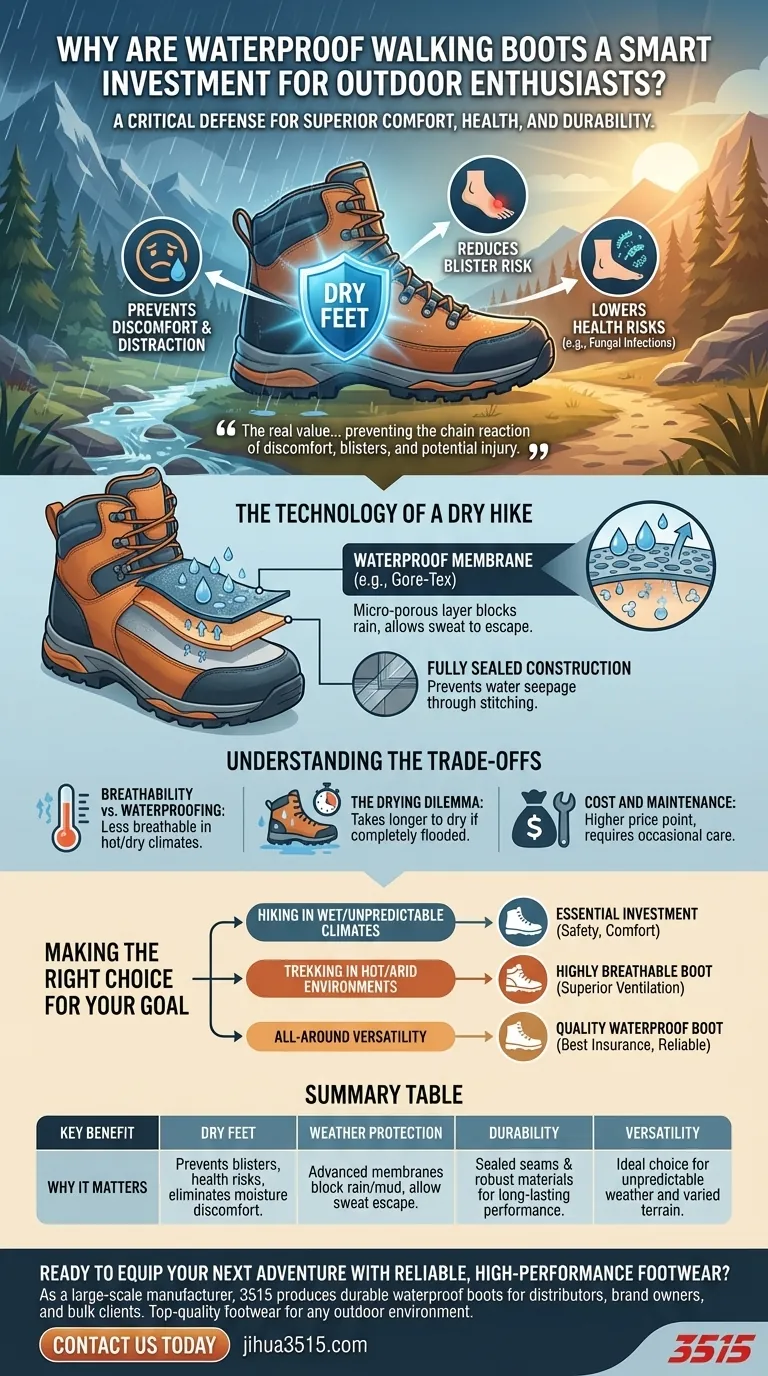
Visual Guide
Related Products
- Premium Flame-Retardant Waterproof Safety Boots and Shoes
- High Performance Fire-Retardant Waterproof Safety Boots
- Durable Waterproof Rain Boots | Custom Manufacturer for Wholesale & Brands
- Wholesale Premium Waterproof Nubuck Safety Shoes Boots
- Premium Waterproof Nubuck Safety Boots for Wholesale
People Also Ask
- Why are waterproof safety boots recommended for certain work environments? Essential Protection for Wet & Hazardous Jobs
- What materials are commonly used in waterproof boots? The Complete Guide to Durable, Breathable Protection
- How does boot construction affect waterproofing? The Science Behind Truly Dry Feet
- What should you look for to ensure boots are fully waterproof? The Essential 2-Part System
- What is the advantage of one-piece construction in waterproof boots? Unbeatable Seamless Protection