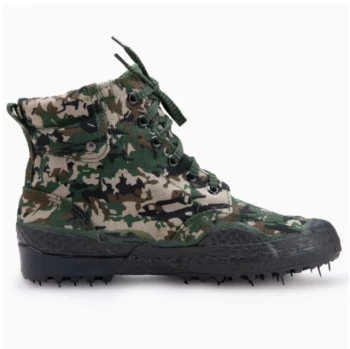
Of all the gear you carry into the field, nothing has a more direct and immediate impact on your hunt's success than your boots. While you can often get by with budget-friendly options for other equipment, inadequate footwear is a non-negotiable failure point. Poor boots lead directly to pain, blisters, and fatigue, which can force you to abandon a hunt you’ve invested significant time and money into.
Your boots are not just another piece of gear; they are a critical support system that determines your endurance, safety, and ability to remain effective in the field. Investing in quality footwear is an investment in the entire outcome of your hunt.
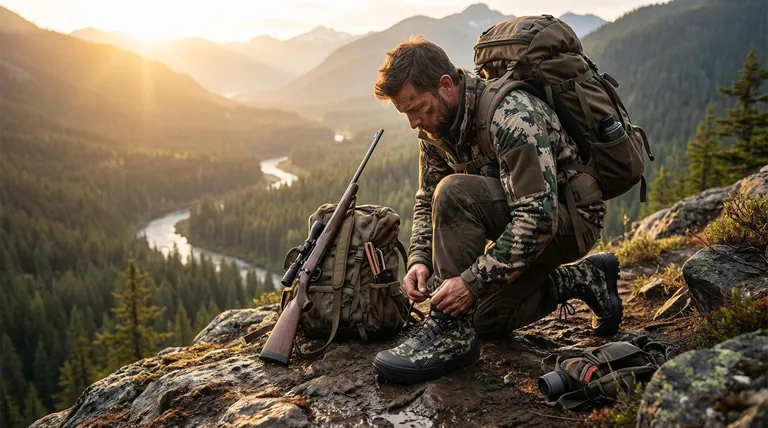
The Foundation of Your Hunt: Beyond Basic Comfort
Many hunters focus on their weapon or optics, but your feet are what get you to the vantage point and back out with your harvest. A failure in your footwear is a failure of the entire system.
Preventing Trip-Ending Failures
The most common reason a hunt is cut short isn't a gear malfunction—it's foot failure. Blisters, hot spots, and general foot pain can make every step agonizing. Quality boots are designed with superior materials and an anatomical fit to minimize the friction and pressure points that cause these issues, preserving your ability to cover ground.
The Critical Role of Stability
Hunting terrain is rarely flat or predictable. A quality boot provides rigid ankle support to prevent rolls and sprains, especially when navigating sidehills or carrying a heavy pack. Features like a heel-lock system secure your foot, preventing internal movement that leads to instability and blisters.
Managing Moisture and Temperature
Your ability to regulate foot temperature is crucial for both comfort and safety. A premium waterproof membrane keeps external moisture out while allowing sweat to escape, keeping your feet dry. Dry feet are warm feet, and proper insulation is calibrated to keep you comfortable without causing excessive sweating during exertion.
Anatomy of a Purpose-Built Hunting Boot
A quality hunting boot is an engineered system where each component serves a specific, critical function. Understanding these parts clarifies why the investment is justified.
Uppers: The First Line of Defense
The upper is the main body of the boot. High-end boots often use full-grain leather, typically in a tall 10-inch design, for maximum durability, abrasion resistance, and support. This robust construction protects your feet and ankles from environmental hazards.
Midsoles: The Shock Absorption Engine
The midsole is the layer between the insole and the outsole, and it's responsible for cushioning. A well-designed shock-absorbing midsole dramatically reduces the cumulative impact on your joints over thousands of steps. This directly translates to less fatigue at the end of the day.
Outsoles: Your Connection to the Ground
The outsole provides traction. Specialized tread patterns are engineered for grip on specific surfaces, from wet rock to loose soil and mud. The right outsole provides confident footing, which conserves energy and enhances safety.
Protective Features: Rands and Toe Caps
A rubber rand is a protective band that wraps around the boot where the upper meets the sole. This feature shields the leather from cuts and abrasions caused by rocks and scree, dramatically increasing the boot's lifespan. Reinforced toe caps offer similar protection for the front of the boot.
Understanding the Trade-offs
Choosing the right boot also means understanding the inherent compromises in design. What makes a boot excellent for one environment can make it unsuitable for another.
The Purpose of a Stiff Boot
Many top-tier mountain hunting boots feel exceptionally stiff out of the box. This is not a flaw; it's a critical feature. That stiffness provides a stable platform on uneven ground, protects your feet from sharp rocks, and provides the support needed to carry a heavy pack without excessive foot flexion and fatigue.
The Necessary Break-In Period
Because they are built from durable, stiff materials like thick leather, quality boots require a break-in period. You must wear them for several miles before a hunt to allow them to mold to your feet. This initial investment of time is essential for long-term comfort.
When Less Is More
A heavy, insulated, 10-inch mountain boot is overkill for an early-season hunt on flat terrain. In such cases, a lighter, more flexible boot may provide better comfort and reduce energy expenditure. The key is matching the boot's features to the specific demands of the hunt.
Making the Right Choice for Your Hunt
Your footwear choice should be a direct reflection of the terrain, weather, and physical demands you anticipate.
- If your primary focus is multi-day mountain hunts with a heavy pack: Prioritize a stiff, full-grain leather boot with robust ankle support and a protective rubber rand.
- If your primary focus is day hunts in wet, cold conditions: Emphasize a proven waterproof membrane and an appropriate level of insulation for the expected temperature.
- If your primary focus is upland or early-season hunting on flatter terrain: A lighter, more flexible boot will likely offer better comfort without sacrificing necessary protection.
Ultimately, choosing the right boot is about ensuring your most critical piece of gear empowers your endurance rather than limiting it.
Summary Table:
| Feature | Why It Matters for Hunting |
|---|---|
| Ankle Support & Stability | Prevents rolls and sprains on uneven terrain, especially with a heavy pack. |
| Moisture Management | Waterproof membranes keep feet dry; proper insulation maintains warmth without sweating. |
| Durable Construction | Full-grain leather and rubber rands protect against abrasion, extending boot life. |
| Shock Absorption | Quality midsoles reduce joint impact over thousands of steps, fighting fatigue. |
| Specialized Traction | Outsoles are engineered for grip on specific surfaces like wet rock or mud. |
Ready to Empower Your Hunt with the Right Foundation?
As a large-scale manufacturer, 3515 produces a comprehensive range of durable, high-performance hunting boots for distributors, brand owners, and bulk clients. Our production capabilities ensure you get purpose-built footwear designed for endurance, stability, and protection in the toughest conditions.
Contact us today to discuss how we can provide the reliable, high-quality boots your customers need for a successful hunt.
Visual Guide

Related Products
- Wholesale Lightweight Tactical Boots Custom Manufacturer for Desert & Combat Use
- High-Traction Suede Tactical Boots Wholesale & Custom Manufacturing
- Durable Leather Tactical Boots Wholesale & Custom Manufacturing for Brands
- Durable Military Combat Boots with Water Drainage for Wholesale & OEM
- Durable Spiked Camouflage Boots Wholesale & Factory Production
People Also Ask
- What are the common types of combat boots? Find the Right Boot for Your Mission
- What specialized protections do tactical boots offer? Maximize Endurance with High-Performance Footwear
- What are the main construction similarities between tactical boots and tactical sneakers? Built for Performance & Durability
- What are the different types of tactical boots available? Find the Right Boot for Your Mission
- What is the role of high-frequency acquisition hardware in technical skill analysis for outdoor and tactical boots?