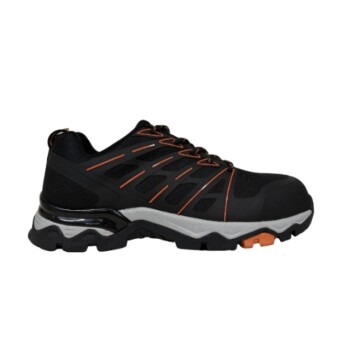
Professional safety shoes are mandatory because they provide a critical barrier against the specific physical and chemical hazards inherent to food processing environments. In stages like washing, frying, and storage, workers face a dual threat: slippery surfaces caused by fluids and physical trauma from heavy loads. These shoes are engineered to mitigate these risks where standard footwear would fail.
In high-risk processing zones, safety footwear acts as a critical control measure against two primary threats: slip-and-fall accidents caused by liquid byproducts and crushing injuries from heavy inventory handling.
Managing Environmental Hazards
Navigating Wet and Oily Surfaces
Food processing floors are rarely dry. In washing stages, surfaces are frequently compromised by water and plant juices.
In frying areas, splashed oils create dangerous slick spots. Professional safety shoes feature slip-resistant outsoles specifically designed to maintain traction on these hazardous substances.
Preventing Slips and Falls
Standard shoe treads often hydroplane on water or oil. The specialized outsoles of safety footwear displace liquids to grip the floor effectively.
This stability is essential for preventing slips and falls, ensuring workers can move safely despite the challenging ground conditions.
Protection Against Physical Trauma
Shielding Against Falling Objects
The storage and preparation phases involve moving significant amounts of inventory. Workers handle raw materials that can be unpredictable and difficult to grip.
A reinforced toe structure is a standard feature in these shoes. This hard barrier protects the toes from crushing injuries if raw materials are dropped.
Handling Heavy Loads
Beyond raw materials, the logistics of storage involve heavy product crates. The risk of dropping a crate during transport or stacking is a constant variable.
Reinforced safety shoes absorb the impact of these heavy items, preventing severe fractures or bruising that would occur with soft-toed footwear.
Understanding the Limitations
The Scope of Protection
While safety shoes provide multi-layered protection, they are not a substitute for safe working protocols.
Slip-resistant outsoles significantly reduce risk, but they do not render a floor entirely slip-proof in extreme conditions.
Maintenance of Safety Features
The effectiveness of the slip-resistant tread depends on its condition. If the outsole becomes worn down or heavily clogged with food debris, its grip is compromised.
Similarly, the reinforced toe protects against impact, but it cannot mitigate injuries to the upper ankle or leg if a crate falls awkwardly.
Making the Right Choice for Your Goal
To ensure maximum safety compliance and injury prevention, align your footwear choice with the specific hazards of your station.
- If your primary focus is the washing or frying station: Ensure the footwear is certified for high-grade slip resistance to handle constant exposure to water, juices, and oils.
- If your primary focus is storage or logistics: Prioritize footwear with a certified reinforced toe structure to withstand the impact of heavy crates and raw materials.
Mandatory safety footwear is not just a uniform requirement; it is the foundational equipment that keeps production running without injury-related interruptions.
Summary Table:
| Hazard Type | Processing Stage | Key Protection Feature | Benefit to Worker |
|---|---|---|---|
| Slippery Surfaces | Washing & Frying | Slip-resistant Outsoles | Prevents falls on water, juices, and oils |
| Falling Objects | Storage & Logistics | Reinforced Safety Toe | Protects feet from heavy crates and raw materials |
| Heavy Loads | Material Handling | Impact-absorbing Structure | Mitigates crushing injuries during transport |
| Contamination | All Stages | Fluid-displacing Treads | Maintains traction and stability in high-risk zones |
Secure Your Food Processing Operations with 3515 Footwear Solutions
As a large-scale manufacturer serving global distributors and brand owners, 3515 provides the heavy-duty production capabilities required to keep food processing workforces safe and compliant. Our flagship Safety Shoes series is engineered to withstand the rigorous demands of industrial kitchens and processing plants, offering superior slip resistance and impact protection.
From tactical-grade durability to ergonomic sneakers and professional dress shoes, our extensive portfolio meets the diverse bulk requirements of any industry. Partner with us to ensure your team is equipped with footwear that prevents injury-related interruptions and boosts operational efficiency.
Contact 3515 Today for Bulk Orders and Custom Manufacturing
References
- Nyoman Sri Widari, Lilis Nurhayati. Pengendalian Resiko K3 pada Industri Kecil Keripik TWM dengan Metode Job Safety Analysis. DOI: 10.26905/jiv.v6i1.12027
This article is also based on technical information from 3515 Knowledge Base .
Related Products
- Premium Suede Sport Safety Shoes for Wholesale & Bulk Orders
- Premium Lightweight Safety Shoes for Wholesale & Bulk Orders
- Wholesale Anti-Smash & Puncture-Proof Safety Shoes Custom Manufacturing for Brands
- Premium KPU Injection Athletic Style Safety Shoes
- Premium Safety Shoes with Rotating Buckle Safety Sneakers
People Also Ask
- What are the primary functions of professional safety shoes? Maximize Safety in Water Supply Confined Spaces
- What industries have specific OSHA footwear requirements? Ensure Compliance & Protect Your Workforce
- What role do specialized safety shoes play in preventing falls? Engineering Stability in Industrial Environments
- Why is barefoot walking used as a baseline in gait safety research? Unlocking Natural Biomechanics for Shoe Design
- What happens during the cutting stage of safety shoes manufacturing? Precision, Process & Quality