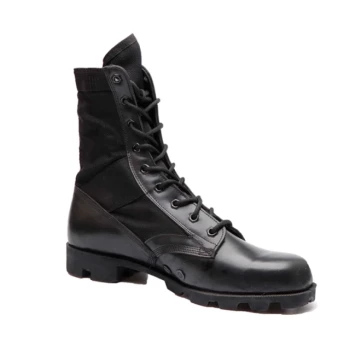
High-quality therapeutic boots and specialized footwear are not merely protective clothing; they are critical medical devices essential for the structural support and secondary prevention of Diabetic Foot Ulcers (DFU). These specialized products feature professional-grade foot wrapping and shock-absorbing designs specifically engineered to accommodate foot deformities. By acting as a physical barrier against friction and impact, they significantly reduce ulcer recurrence, maintain patient mobility, and prevent wound deterioration that could otherwise lead to amputation.
Core Insight: The fundamental value of therapeutic footwear lies in pressure redistribution and mechanical protection. By shifting weight away from compromised tissue and compensating for sensory loss, these devices create the necessary physiological environment for wounds to heal and prevent the cycle of necrosis.
The Mechanics of Protection and Recovery
Optimized Pressure Redistribution
The healing of diabetic ulcers requires a precise "offloading" function. Rigid-sole postoperative shoes and Total Contact Casts (TCC) utilize optimized mechanical structures to shift plantar pressure away from high-risk ulcer areas to non-weight-bearing regions.
This redistribution is a prerequisite for recovery. It effectively prevents the worsening of tissue necrosis caused by continuous compression, allowing the damaged tissue the relief it needs to regenerate.
Accommodation of Foot Deformities
Standard footwear often creates friction points that lead to new ulcers, particularly in diabetic patients with structural foot changes. Medical-grade footwear addresses this by featuring increased toe box depth and width.
This specialized engineering accommodates deformities without constriction. By using specialized decompression materials, these shoes offload high-pressure areas on the plantar surface to prevent skin lesions.
Defense Against Neuropathy (LOPS)
For patients with Loss of Protective Sensation (LOPS), the foot loses its natural ability to signal pain from injury. Professional footwear serves as a surrogate sensory system, providing a "first line of defense."
High-performance safety shoes offer mechanical impact protection and excellent arch support. They reduce the probability of injuries caused by accidental scratches, thermal friction, or compression that the patient otherwise would not feel.
Common Pitfalls and Considerations
The Risk of Standard Footwear
A critical error in recovery management is reliance on standard consumer footwear. The primary reference notes that friction from standard shoes is a leading cause of new ulcer formation.
Therapeutic boots are distinct because they provide a stable, shock-absorbing environment. Substituting these with non-specialized options removes the critical physical barrier needed to stop wound deterioration.
The Importance of Precision Fit
The protective benefits of therapeutic footwear are entirely dependent on a precise fit. Supplementary data indicates that without customized mechanical support, the risk of repetitive micro-trauma increases.
Ill-fitting footwear fails to redistribute pressure effectively. This can inadvertently concentrate force on vulnerable areas, negating the benefits of the device and potentially accelerating ulcer recurrence.
Making the Right Choice for Your Goal
Selecting the correct footwear depends on the specific stage of recovery and the patient's long-term risk profile.
- If your primary focus is healing an active ulcer: Prioritize rigid-sole postoperative shoes or Total Contact Casts (TCC) to ensure maximum offloading and pressure redistribution away from the wound.
- If your primary focus is preventing recurrence: Look for Medical Grade Footwear with increased toe box depth and decompression materials to accommodate deformities and reduce friction.
- If your primary focus is managing Loss of Protective Sensation (LOPS): Ensure the footwear offers high-performance mechanical impact protection and arch support to compensate for the lack of sensory feedback.
Ultimately, the correct therapeutic footwear transforms the patient’s daily movement from a source of injury into a tool for sustained recovery.
Summary Table:
| Feature | Therapeutic Footwear Function | Medical Benefit |
|---|---|---|
| Offloading | Shifts pressure away from ulcerated areas | Prevents tissue necrosis & promotes healing |
| Deep Toe Box | Accommodates deformities & reduces friction | Prevents new lesions and skin breakdown |
| Rigid Soles | Limits mechanical stress during movement | Stabilizes the foot during active recovery |
| Impact Protection | Acts as a surrogate for sensory loss (LOPS) | Protects against injuries the patient cannot feel |
Partner with 3515 for Professional-Grade Specialized Footwear Solutions
As a large-scale manufacturer serving distributors and brand owners, 3515 offers comprehensive production capabilities for all footwear types, anchored by our flagship Safety Shoes series. Our extensive portfolio covers work and tactical boots, outdoor shoes, training shoes, and sneakers, as well as Dress & Formal shoes to meet diverse bulk requirements.
We provide the mechanical precision and structural integrity required for medical-grade and protective footwear, ensuring your customers receive the support and safety they need. Whether you are looking to expand your therapeutic line or source high-performance safety gear, our factory is equipped to deliver at scale.
Ready to elevate your inventory with industry-leading footwear?
Contact us today to discuss your production needs
References
- Katherine Cullen, Deborah Fitzsimmons. Development of a resource-use measure to capture costs of diabetic foot ulcers to the United Kingdom National Health Service, patients and society. DOI: 10.1177/17449871231208108
This article is also based on technical information from 3515 Knowledge Base .
Related Products
- Durable Leather High-Ankle Tactical Boots for Wholesale & Custom Manufacturing
- Durable High-Ankle Tactical Boots Wholesale Manufacturer for Custom & Bulk Orders
- Durable Leather Tactical Boots Wholesale & Custom Manufacturing for Brands
- High-Traction Suede Tactical Boots Wholesale & Custom Manufacturing
- Durable High-Ankle Tactical Boots for Wholesale & Custom Manufacturing
People Also Ask
- How do military uniforms and tactical boots impact the prediction of thermal risk? Essential Safety Insights
- How does the material of tactical boots affect their performance? Choose the Right Material for Your Mission
- Why is sequential analysis utilized to evaluate tactical boots? Master Dynamic Boot Development and Ergonomic Performance
- How do tactical boots differ from regular boots? Performance, Durability & Design Explained
- What are the primary differences between tactical boots and combat boots? Choose the Right Boot for Your Mission