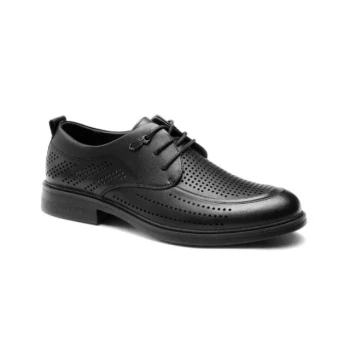
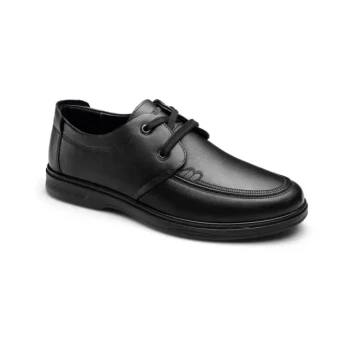
The short answer is this: Goodyear welted shoes are for anyone who prioritizes long-term value, durability, and repairability over a low initial cost. They are an investment in footwear designed to last for years, or even decades, by allowing the sole to be replaced multiple times.
This construction method represents a fundamental choice: opting for a shoe that adapts to you over time and can be perpetually renewed, rather than a disposable item you replace every season.
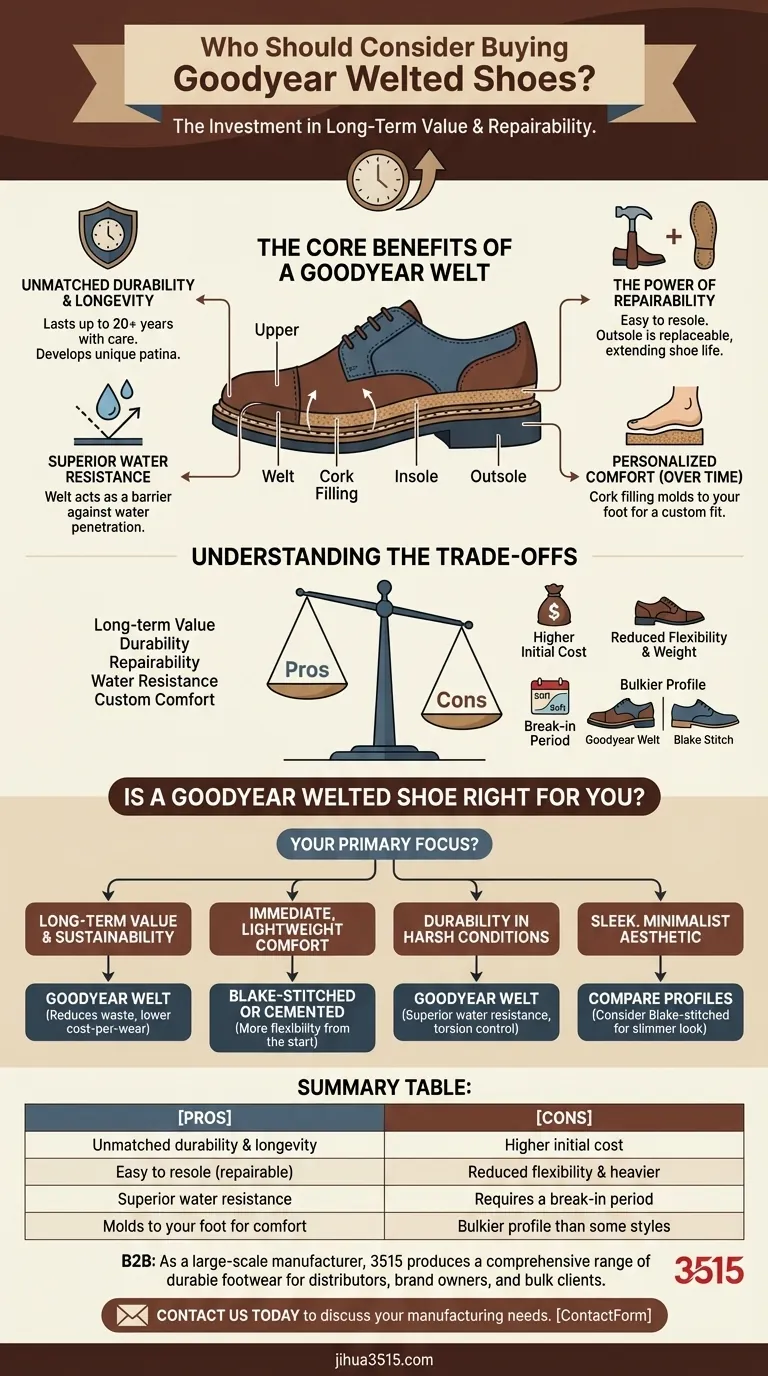
The Core Benefits of a Goodyear Welt
The Goodyear welt is a traditional shoemaking technique that defines a shoe's longevity and character. Understanding its core advantages is key to appreciating its value.
Unmatched Durability and Longevity
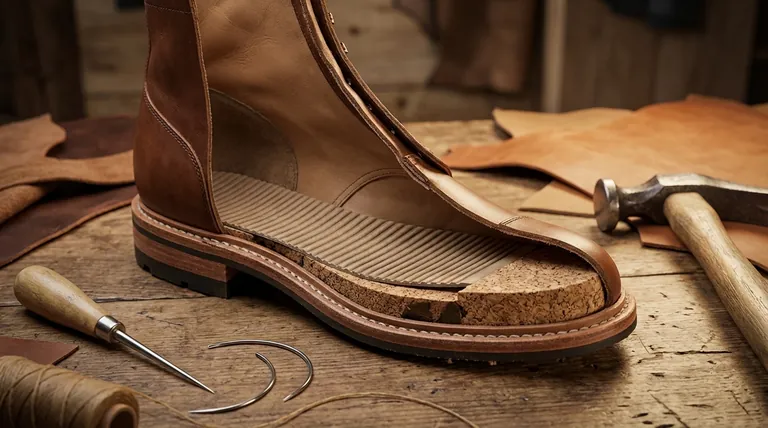
A Goodyear welt involves stitching a strip of leather—the welt—to the shoe's upper and insole. The outsole is then stitched to this welt, creating an incredibly robust and stable structure.
This method, combined with high-quality upper materials, results in shoes that can last up to 20 years or more with proper care. Over time, the leather develops a desirable patina, a unique character that cannot be replicated in mass-produced footwear.
The Power of Repairability
The primary advantage of this construction is that it makes the shoe easy to resole. Because the outsole is stitched to the welt and not directly to the upper, a cobbler can remove the old sole and attach a new one without compromising the shoe's integrity.
This repairability is what truly extends the shoe's life, turning it from a simple purchase into a long-term asset.
Superior Water Resistance
The welt acts as a barrier between the insole and the outsole. This design significantly minimizes the path water can take to penetrate the shoe, making it far more water-resistant than other common construction methods.
Personalized Comfort (Over Time)
The cavity created between the insole and outsole is typically filled with a layer of granulated cork. This cork filling is initially firm but gradually molds to the unique shape of your foot with wear.
This process creates a personalized footbed, delivering a level of customized comfort and support that is difficult to achieve with other types of shoes.
Understanding the Trade-offs
While the benefits are significant, Goodyear welted shoes are not the ideal choice for every person or situation. Objectivity requires acknowledging the trade-offs.
Higher Initial Cost
The Goodyear welting process is more labor-intensive and requires more materials than simpler methods like cementing. This complexity is reflected in a higher upfront price.
Reduced Flexibility and Weight
The multi-layered construction results in a shoe that is inherently stiffer and often heavier than alternatives like Blake-stitched or cemented shoes. They lack the "out-of-the-box" flexibility some people prefer.
The Break-in Period
The same features that create long-term comfort—the sturdy construction and cork footbed—require a break-in period. The shoes may feel stiff at first as the leather and cork begin to conform to your foot.
A Bulkier Profile
The external stitching of the welt can create a slightly wider and more substantial silhouette. For those who prioritize a very slim, low-profile aesthetic, a Blake-stitched shoe might be a more suitable choice.
Is a Goodyear Welted Shoe Right for You?
Choosing a Goodyear welt is less about the shoe and more about your personal goals for your footwear.
- If your primary focus is long-term value and sustainability: A Goodyear welt is an excellent choice, as its repairability drastically reduces waste and cost-per-wear over time.
- If your primary focus is immediate, lightweight comfort: You may be better served by a Blake-stitched or high-quality cemented shoe that offers more flexibility from the start.
- If your primary focus is durability in harsh conditions: Goodyear welted shoes are ideal, offering superior water resistance and the torsion control needed for uneven surfaces.
- If your primary focus is a sleek, minimalist aesthetic: You should compare the profile of a Goodyear welted shoe to a Blake-stitched alternative to see which better fits your style.
Ultimately, choosing a Goodyear welted shoe is a decision to invest in quality craftsmanship that will serve you reliably for years to come.
Summary Table:
| Pros | Cons |
|---|---|
| Unmatched durability & longevity | Higher initial cost |
| Easy to resole (repairable) | Reduced flexibility & heavier |
| Superior water resistance | Requires a break-in period |
| Molds to your foot for comfort | Bulkier profile than some styles |
As a large-scale manufacturer, 3515 produces a comprehensive range of durable footwear for distributors, brand owners, and bulk clients.
Our production capabilities encompass all types of Goodyear welted shoes and boots, designed for long-term value and performance. If you're looking to stock or brand high-quality, repairable footwear, we can help.
Contact us today to discuss your manufacturing needs and how we can bring value to your business.
Visual Guide
Related Products
- Durable Goodyear Welt Leather Work Boots for Wholesale & Private Label
- Wholesale Durable Leather Work Boots | 8-Inch Goodyear Welt Manufacturer
- Wholesale Durable & Breathable Training Shoes for Custom Brands
- Wholesale Breathable Training Shoes Custom Athletic Footwear Manufacturer
- Custom OEM Training Shoes Wholesale Manufacturer Durable & Breathable
People Also Ask
- What is the difference between full-grain and top-grain leather? Premium Material Guide for Boot Manufacturers
- What are the advantages of leather as an upper material for work boots? Unmatched Durability & Custom Comfort
- Why is it important to waterproof leather work boots? Protect Your Investment and Performance
- How should new leather work boots be broken in? A Guide to Comfort and Durability
- What are the advantages of leather uppers in work boots? Unmatched Durability & Protection