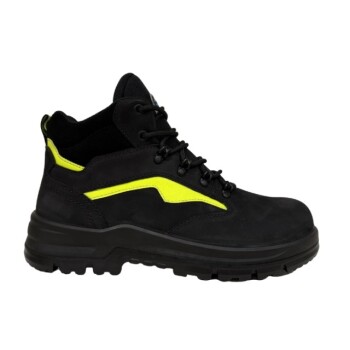
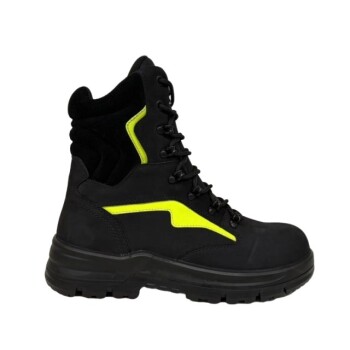
In short, soft toe work boots are preferred when your job does not have a mandatory requirement for safety toe protection. They are the ideal choice for roles where comfort, flexibility, and reduced weight are more critical for daily performance than guarding against impact or compression hazards.
The decision to choose a soft toe boot is not about sacrificing safety, but rather about selecting the appropriate tool for the specific work environment. For many professionals, the agility and reduced fatigue offered by a lighter boot are more beneficial than unnecessary, heavy toe reinforcement.
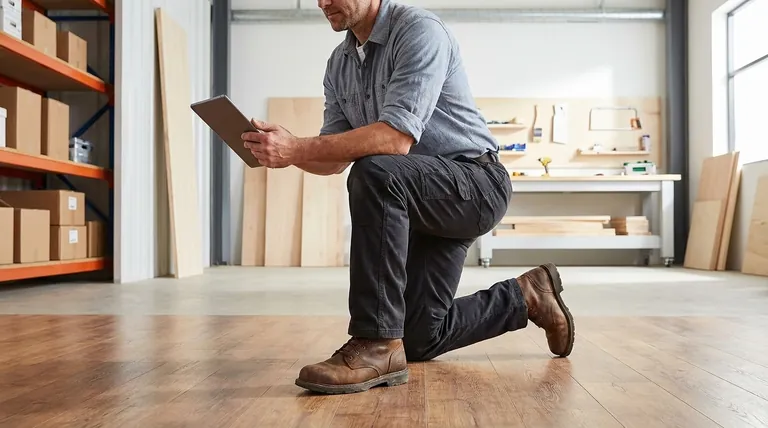
The Case for Comfort and Agility
When a certified safety toe isn't a requirement, the benefits of a soft toe design become the primary consideration. The focus shifts entirely to wearer comfort and mobility over a long day.
All-Day Comfort and Reduced Fatigue
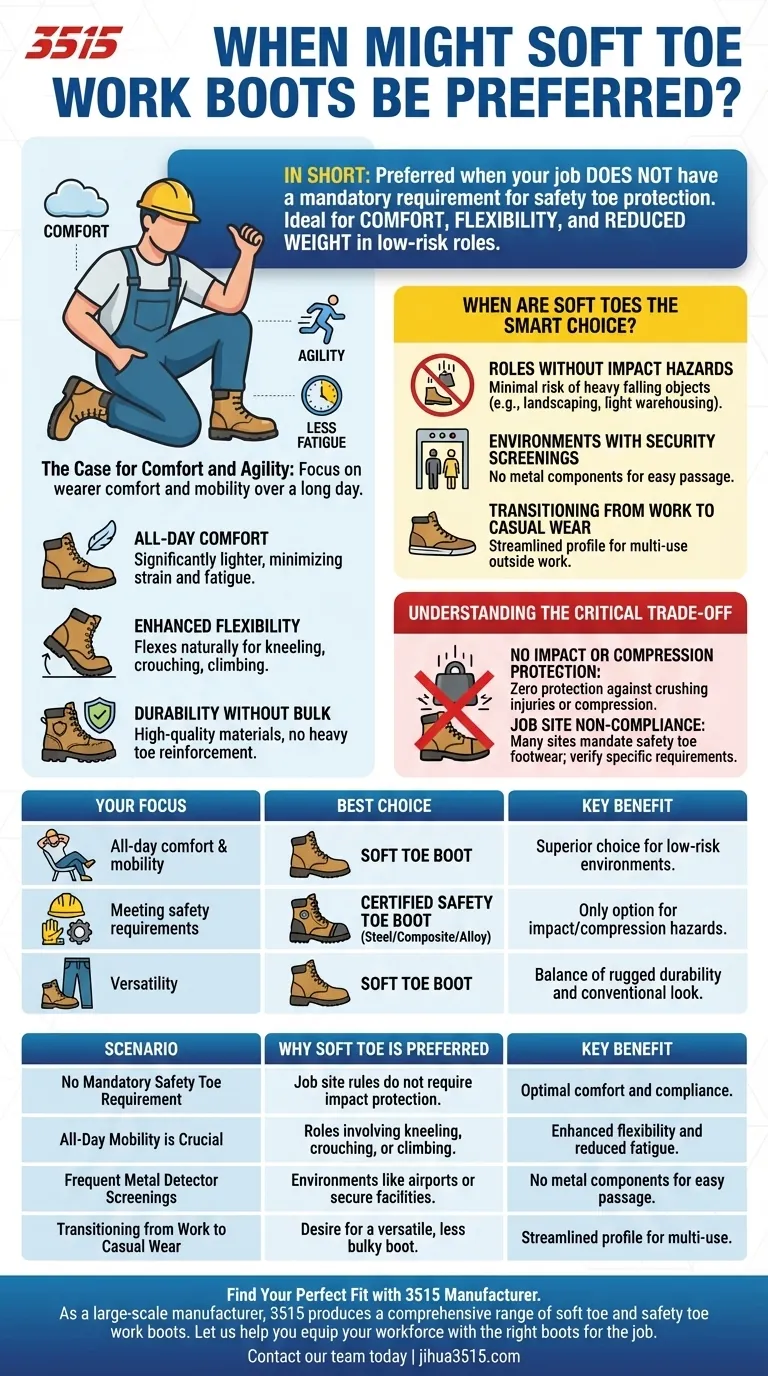
A soft toe boot is significantly lighter than its steel or composite toe counterparts. This reduction in weight minimizes strain on your feet, legs, and back, leading to less fatigue over an eight-to-twelve-hour shift.
Enhanced Flexibility and Movement
Without a rigid, reinforced cap, soft toe boots flex more naturally with the movement of your foot. This is a crucial advantage for jobs that require frequent kneeling, crouching, or climbing.
Durability Without the Bulk
Choosing a soft toe does not mean settling for a less durable boot. You can still get the high-quality leather, rugged construction, and long-lasting outsoles from trusted work boot brands, just without the added weight and rigidity of a safety toe.
When Are Soft Toes the Smart Choice?
Understanding the specific scenarios where a soft toe excels is key. It's the right choice when the risk profile of the job changes.
Roles Without Impact Hazards
Soft toe boots are perfectly suited for professions where the risk of heavy objects falling on the foot is minimal. This includes many roles in landscaping, general maintenance, light warehousing, and certain skilled trades where agility is paramount.
Environments with Security Screenings
For workers who must pass through metal detectors regularly, soft toe boots offer a significant convenience over steel-toed alternatives, eliminating a common daily hassle.
Transitioning from Work to Casual Wear
Because they lack the bulky toe box of a safety boot, soft toe models often have a more streamlined profile. This allows them to blend in more easily for wear outside of the work environment.
Understanding the Critical Trade-off
The primary reason for choosing a soft toe is also its greatest limitation. Objectivity here is non-negotiable.
No Impact or Compression Protection
This is the most important factor. A soft toe work boot offers zero protection against crushing injuries from falling objects or compression from heavy machinery like a forklift.
Job Site Non-Compliance
Many industrial and construction sites have strict safety regulations that mandate the use of ASTM-certified safety toe footwear. Wearing a soft toe boot in these environments is a violation of safety protocol and puts you at risk. Always verify the specific requirements of your worksite.
Making the Right Choice for Your Goal
Your daily tasks and work environment should be the ultimate guide for your footwear selection.
- If your primary focus is all-day comfort and mobility: A soft toe boot is the superior choice for low-risk environments where you are on your feet for extended periods.
- If your primary focus is meeting safety requirements: A certified safety toe boot (steel, composite, or alloy) is the only acceptable option for any job with impact or compression hazards.
- If your primary focus is versatility: A soft toe boot provides an excellent balance of rugged durability and a conventional look for moving between a low-risk job and casual life.
Ultimately, choosing the right work boot means accurately assessing the real-world demands of your job.
Summary Table:
| Scenario | Why Soft Toe is Preferred | Key Benefit |
|---|---|---|
| No Mandatory Safety Toe Requirement | Job site rules do not require impact protection. | Optimal comfort and compliance. |
| All-Day Mobility is Crucial | Roles involving kneeling, crouching, or climbing. | Enhanced flexibility and reduced fatigue. |
| Frequent Metal Detector Screenings | Environments like airports or secure facilities. | No metal components for easy passage. |
| Transitioning from Work to Casual Wear | Desire for a versatile, less bulky boot. | Streamlined profile for multi-use. |
Find Your Perfect Fit with 3515 Manufacturer
As a large-scale manufacturer, 3515 produces a comprehensive range of soft toe and safety toe work boots for distributors, brand owners, and bulk clients. Our production capabilities ensure you get durable, comfortable footwear tailored to your specific job requirements.
Let us help you equip your workforce with the right boots for the job. Contact our team today to discuss your needs and explore our full catalog!
Visual Guide
Related Products
- Durable Leather Moc Toe Work Boots for Wholesale & Custom Manufacturing
- Durable Moc-Toe Wedge Work Boots | Wholesale Manufacturing for Brands
- Durable Moc Toe Wedge Sole Work Boots for Wholesale and Private Label
- Wholesale Durable Safety Boots Manufacturer Customizable Steel Toe Work Boots
- Wholesale Durable 6-Inch Work Boots | Custom & Private Label Manufacturer
People Also Ask
- What are moc toe work boots designed for? Superior Comfort and Mobility for Tradespeople
- What are the key features to look for when purchasing moc toe boots? A Guide to Durability & Fit
- How did moc toe boots originate? A Legacy of Workwear Durability and Style
- What clothing items complement the Outdoorsman/Heritage Look with moc toe boots? Build a Timeless, Rugged Wardrobe
- What types of outfits can moc toe boots be worn with? Versatile Style Guide