At their core, men's snow boots are specialized footwear designed for a range of winter activities, from casual walks in a snowy city to more demanding winter hiking. Their primary purpose is to keep your feet warm, dry, and stable in cold, wet, and slippery conditions. While versatile, they are distinct from highly specialized footwear like ski or technical mountaineering boots.
The term "snow boot" covers a wide spectrum of footwear. The key to choosing the right pair is to move beyond the label and match the boot's specific features—insulation, waterproofing, and traction—to the intensity of your intended winter activity.
The Core Function of a Snow Boot
To select the right boot, you must first understand the three pillars of its design. Each feature exists on a spectrum, and the right balance depends entirely on your needs.
Feature 1: Warmth (Insulation)
Insulation is the primary defense against the cold. It's typically measured in grams, with higher numbers indicating more warmth for stationary activities.
However, intense activity generates its own heat, meaning a heavily insulated boot can cause your feet to sweat, get damp, and then become cold.
Feature 2: Dryness (Waterproofing)
Waterproofing is essential for preventing snow, slush, and water from penetrating the boot. This is usually achieved with a rubber shell on the lower part and waterproof membranes in the upper.
Keeping external moisture out is critical, as wet feet lose heat exponentially faster than dry feet.
Feature 3: Stability (Traction)
Traction is determined by the boot's outsole—the material and the pattern of the lugs (the deep indentations).
Soft, sticky rubber and deep, aggressive lugs provide the best grip on snow and ice, preventing dangerous slips and falls.
Matching the Boot to the Activity
Not all snow boots are created equal. Using a boot designed for casual wear on an icy trail is as inappropriate as wearing a heavy-duty arctic boot to the office.
For Casual Winter Use
This category includes commuting, running errands, or light shoveling. The priority is a balance of moderate warmth, water resistance, and comfort.
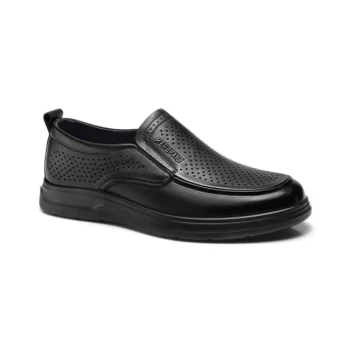
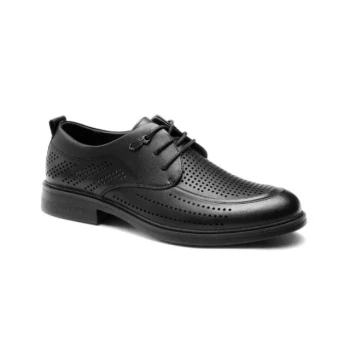
Ankle-height boots or even casual leather sneaker boots can suffice here, as long as they offer basic traction and protection from slush.
For Active Recreation and Snow Play
Think sledding, building a snowman, or moderate winter walks. These activities demand more robust performance.
Look for boots with excellent waterproofing (a full rubber lower is ideal) and at least 200g of insulation to stay comfortable for extended periods outdoors.
For Demanding Outdoor Pursuits
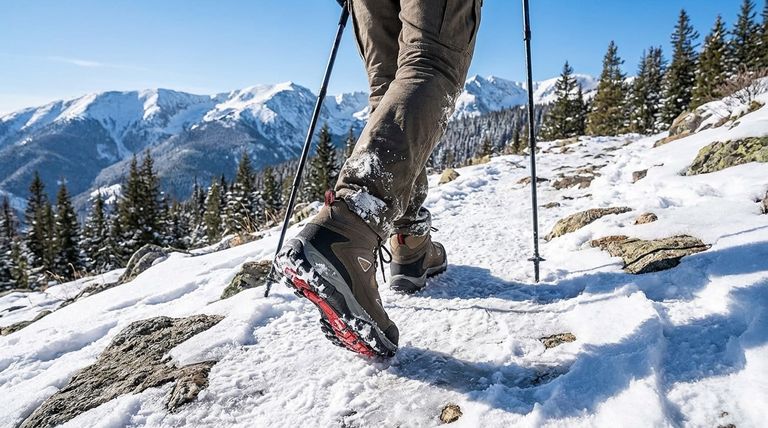
This includes winter hiking, snowshoeing, or working outdoors in deep cold. This is where high-performance features become non-negotiable.
These boots require aggressive, deep-lugged outsoles for icy trails, significant insulation (400g+), and durable construction to provide ankle support on uneven terrain.
Understanding the Trade-offs
Choosing a snow boot is an exercise in balancing competing characteristics. Excelling in one area often means a compromise in another.
Warmth vs. Weight
Extremely warm boots with high levels of insulation (600g+) are excellent for low-activity use like ice fishing but are often heavy and cumbersome.
This weight leads to faster fatigue on long winter hikes, making a lighter, less insulated boot a better choice for high-output activities.
Flexibility vs. Support
Stiff, rigid boots provide excellent ankle support, which is crucial for preventing injuries when hiking or snowshoeing on uneven ground.
However, that same rigidity makes them less comfortable for casual walking on flat surfaces, where a more flexible boot feels more natural.
Snow Boots vs. Specialized Boots
A common mistake is assuming a snow boot works for everything. True skiing requires rigid ski boots that lock into bindings. Serious mountaineering requires technical boots compatible with crampons.
Snow boots are for the walking, hiking, and living that happens around these specialized sports.
Making the Right Choice for Your Activity
Forget vague labels and focus on what you actually plan to do. Your primary goal will determine the right balance of features.
- If your primary focus is casual urban wear: Prioritize comfort, style, and basic water resistance over extreme insulation and aggressive traction.
- If your primary focus is active family snow days: Emphasize complete waterproofing and moderate insulation to ensure you stay warm and dry for hours of play.
- If your primary focus is serious winter hiking: Insist on a boot with deep, multi-directional lugs for traction, robust ankle support, and performance insulation.
Ultimately, selecting the correct snow boot is about choosing the right tool to engage with winter safely and comfortably.
Summary Table:
| Activity Type | Key Features | Ideal Insulation | Primary Use Case |
|---|---|---|---|
| Casual Winter Use | Moderate warmth, basic water resistance, comfort | Low to Moderate (e.g., 100g-200g) | Commuting, errands, light shoveling |
| Active Recreation & Snow Play | Excellent waterproofing, robust traction | Moderate (e.g., 200g-400g) | Sledding, snowman building, winter walks |
| Demanding Outdoor Pursuits | Aggressive traction, ankle support, high insulation | High (e.g., 400g+) | Winter hiking, snowshoeing, outdoor work |
Ready to equip your customers with the perfect winter footwear? As a large-scale manufacturer, 3515 produces a comprehensive range of durable, high-performance snow boots for distributors, brand owners, and bulk clients. Our production capabilities ensure the right balance of warmth, waterproofing, and traction for any winter activity. Contact us today to discuss your footwear needs and leverage our expertise in winter boot manufacturing!
Visual Guide

Related Products
- Factory Direct Wholesale Rain Boots Durable Waterproof & Fully Customizable
- Wholesale Leather Ankle Boots with Lug Soles for Custom Brand Manufacturing
- Durable Waterproof Rain Boots | Custom Manufacturer for Wholesale & Brands
- Wholesale Waterproof Tactical Boots Custom Suede & High-Traction Soles
- Factory Direct Wholesale Leather Comfort Shoes with Dial Closure
People Also Ask
- What are the characteristics of rain boots? A Guide to Waterproof Footwear for Every Need
- What factors should be considered when choosing rain boots? Find the Perfect Boot for Your Needs
- What are the main differences between rain boots and snow boots? Choose the Right Boot for Your Climate
- How should one decide between PVC and rubber for rain boots? A Guide to Choosing the Right Material
- Why are rain boots more flexible and comfortable than snow boots? The Key Differences Explained