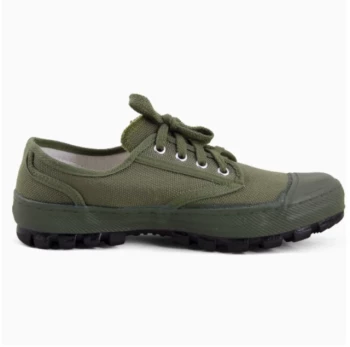
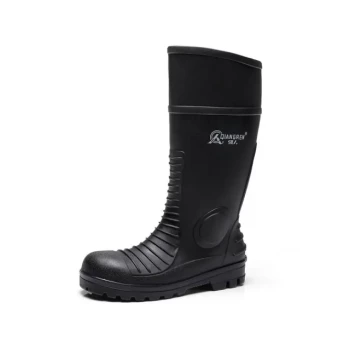
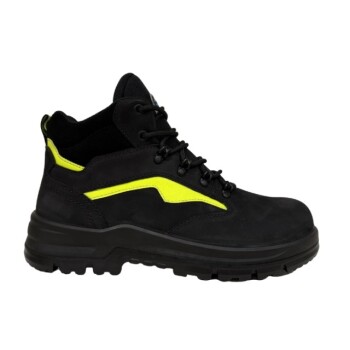
Wedge sole work boots are purpose-built for professionals who spend long hours on hard, flat surfaces. They are the ideal choice for jobs like ironworking, roofing, factory and warehouse work, mechanics, and welding, where stability and comfort on concrete or steel are paramount.
The defining advantage of a wedge sole is its full ground contact, which maximizes stability and evenly distributes pressure across the foot. This design excels on man-made surfaces but is ill-suited for uneven terrain or climbing, where a defined heel is critical for grip and safety.
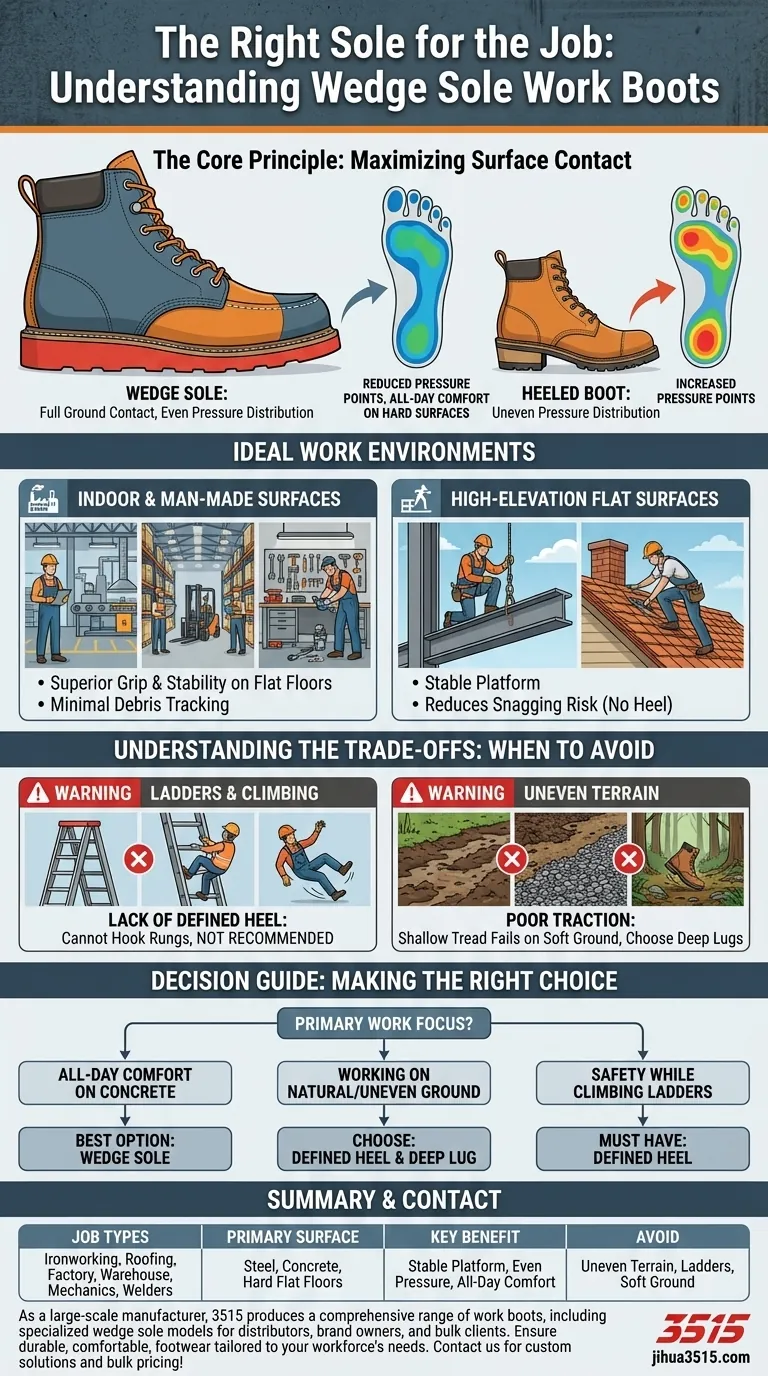
The Core Principle: Maximizing Surface Contact
A wedge sole's effectiveness comes from its unique, simple design. Understanding this principle is key to knowing when to use one.
How the Wedge Design Works
The outsole of a wedge boot is a single, solid piece of material that runs the entire length of the shoe, from toe to heel. There is no separate, raised heel.
This flat-bottomed construction ensures that the entire sole of the boot is in contact with the ground at all times.
The Benefit of Even Pressure Distribution
By eliminating the raised heel, a wedge sole distributes your body weight evenly across your entire foot.
This significantly reduces pressure points, making them far more comfortable than heeled boots during long shifts spent standing or walking on unforgiving surfaces like concrete.
Ideal Work Environments for Wedge Soles
The design of the wedge sole makes it a specialist. It thrives in environments where other boots might be less comfortable or efficient.
Indoor and Man-Made Surfaces
Wedge soles provide superior grip and stability on flat floors. This makes them a top choice for factory workers, warehouse staff, and mechanics.
Their typically shallow tread pattern also prevents tracking dirt and debris indoors, which is a significant advantage in clean-room or workshop environments.
High-Elevation Flat Surfaces
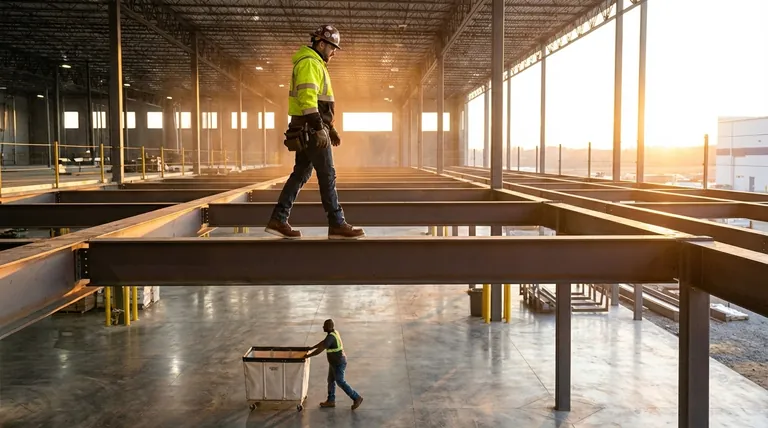
The continuous, flat surface of the sole is a major safety feature for ironworkers and roofers.
It provides a stable platform and reduces the risk of the heel snagging on rebar, scaffolding, or other materials, which could lead to a dangerous trip or fall.
Understanding the Trade-offs: When to Avoid a Wedge Sole
The strengths of a wedge sole in one environment become its primary weaknesses in another. It's crucial to recognize its limitations.
The Lack of a Defined Heel
The most significant drawback is the absence of a 90-degree heel. A traditional heel is designed to hook onto ladder rungs for secure climbing.
For this reason, wedge soles are not recommended and often prohibited for jobs requiring frequent ladder use.
Poor Performance on Uneven Terrain
The same full-contact design that excels on concrete performs poorly on soft or uneven ground like mud, gravel, or dirt.
The shallow tread and flat profile cannot dig in to provide traction, making a heeled boot with a deep lug pattern a much safer choice for landscapers, ranchers, or forestry workers.
Making the Right Choice for Your Goal
Selecting the correct sole is a matter of matching the boot's design to your primary work surface.
- If your primary focus is all-day comfort on concrete: The wedge sole is your best option due to its superior pressure distribution.
- If your primary focus is working on natural or uneven ground: You must choose a boot with a defined heel and a deep lug pattern for reliable traction.
- If your primary focus is safety while climbing ladders: A defined heel is non-negotiable for securely hooking onto ladder rungs.
Matching your boot's sole design to your daily work surface is the most critical step in ensuring both safety and comfort.
Summary Table:
| Ideal Job Types | Primary Work Surface | Key Benefit |
|---|---|---|
| Ironworking & Roofing | Steel, Concrete, High Elevation | Stable platform, reduces snagging |
| Factory & Warehouse Work | Hard, Flat Floors | Even pressure distribution, all-day comfort |
| Mechanics & Welders | Workshop Floors | Superior grip, minimal debris tracking |
| Jobs to Avoid | Uneven Terrain, Ladders | Lack of heel for climbing, poor traction on soft ground |
As a large-scale manufacturer, 3515 produces a comprehensive range of work boots, including specialized wedge sole models for distributors, brand owners, and bulk clients. Our production capabilities ensure durable, comfortable footwear tailored to your workforce's needs. If your team requires reliable wedge sole boots for demanding environments, contact us today to discuss custom solutions and bulk pricing!
Visual Guide
Related Products
- Durable Moc Toe Wedge Sole Work Boots for Wholesale and Private Label
- Durable Moc-Toe Wedge Work Boots | Wholesale Manufacturing for Brands
- Wholesale Leather Work Boots with Customizable Wedge Sole for Brands
- Durable Leather Moc Toe Work Boots for Wholesale & Custom Manufacturing
- Wholesale Leather Ankle Boots with Lug Soles for Custom Brand Manufacturing
People Also Ask
- What are the advantages of wedge sole work boots? Unmatched Comfort on Concrete Floors
- What are the characteristics of wedge sole work boots? Ultimate Comfort for Hard Floors
- What are the benefits of wedge soles in moc toe boots? Superior Comfort for Hard Surfaces
- How do wedge sole work boots prevent slips and falls? Maximize Grip on Concrete & Hard Floors
- When should someone choose moc toe boots over round-toe boots? A Guide to Rugged vs. Versatile Footwear