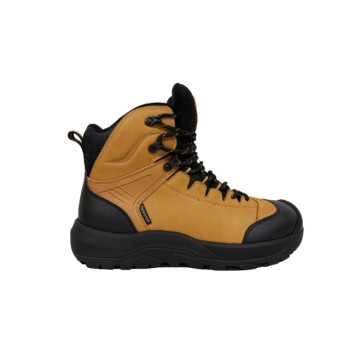
For dedicated winter cycling shoes, most models are designed and reported to perform well in a temperature range from just above freezing down to approximately 10°F to 18°F (-12°C to -8°C). These shoes provide significant insulation and weather protection far beyond what standard cycling shoes or simple shoe covers can offer.
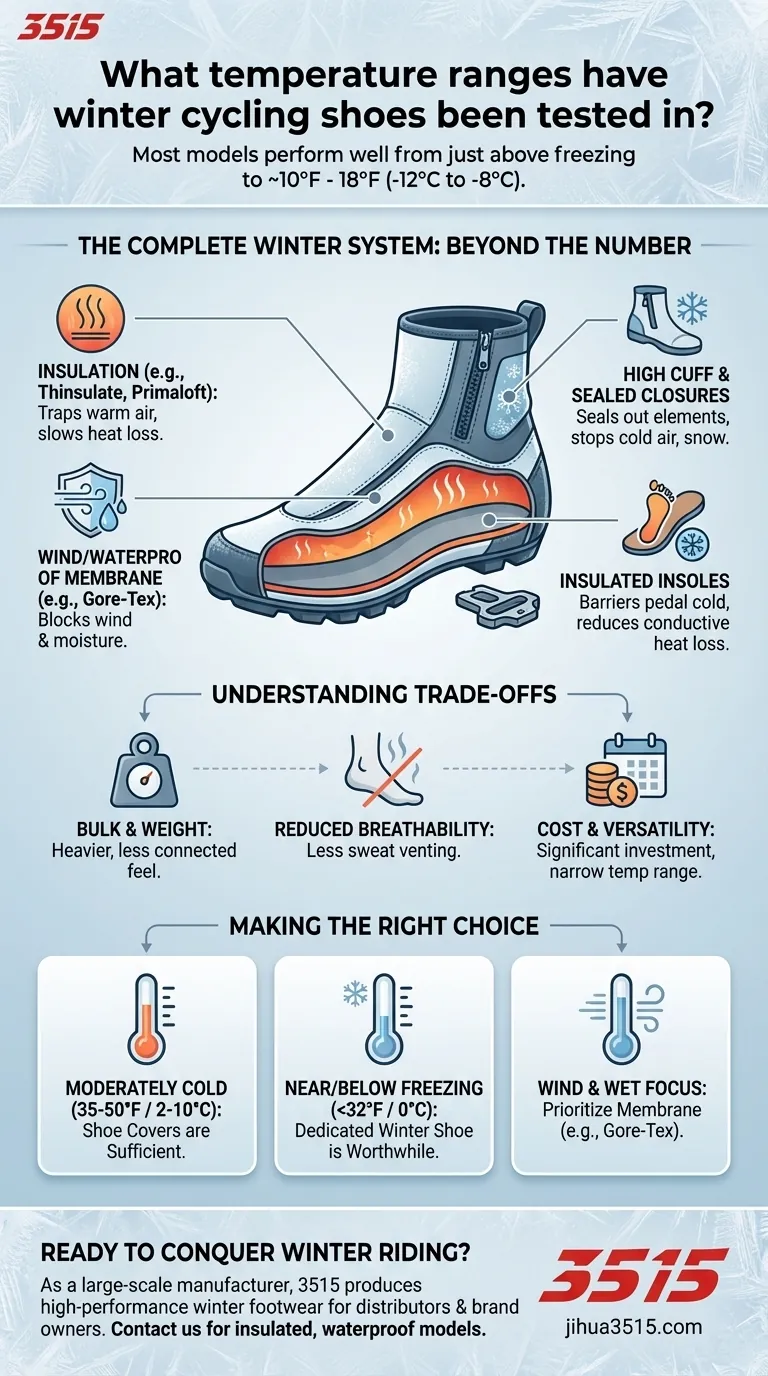
The specific temperature rating of a winter cycling shoe is less important than understanding its core components. True winter comfort comes from a complete system of insulation, wind and water protection, and features that seal out the elements, all working together to protect your feet.
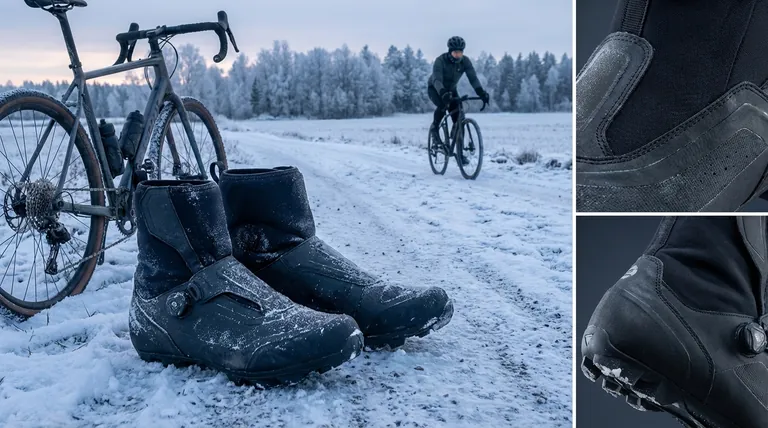
What Defines a Winter Cycling Shoe?
To understand why these shoes work in cold temperatures, you must look beyond a simple number and analyze their construction. A winter shoe is an integrated system designed to combat heat loss from multiple angles.
Insulation is the Foundation
The primary defense against the cold is insulation. Materials like Thinsulate or Primaloft are commonly used to trap a layer of warm air around your foot, slowing the transfer of heat to the cold environment.
Windproof and Waterproof Membranes
Your body heat is useless if it's stripped away by wind or compromised by moisture. A windproof and waterproof membrane, often made of materials like Gore-Tex, is critical. This layer blocks cold air penetration—the windchill effect—and keeps your feet dry from rain, snow, and road spray.
A High Cuff and Sealed Closures
Winter shoes feature an extended, insulated cuff that rises above the ankle. This design creates a seal that prevents cold air, water, and snow from entering the top of the shoe, a common failure point for standard shoes and covers. Closures are often shielded to block drafts.
Insulated Insoles
A significant amount of cold is conducted directly from your metal pedal and cleat into your foot. Winter shoes combat this with thermal insoles that create a barrier, preventing this conductive heat loss and keeping the sole of your foot warmer.
Understanding the Trade-offs
While highly effective, winter-specific shoes are a specialized piece of equipment with inherent compromises. Understanding these is key to making an informed decision.
Bulk and Weight
The added insulation, membranes, and durable outer materials make winter shoes noticeably heavier and bulkier than their summer counterparts. This can create a slightly less connected feel to the pedals.
Reduced Breathability
The same membrane that makes a shoe waterproof also reduces its ability to vent sweat. On milder days or during very high-intensity efforts, your feet can become damp from the inside, which can lead to coldness as the effort subsides.
Cost and Versatility
Dedicated winter shoes are a significant investment. Their specialized nature means they are only suitable for a narrow range of cold temperatures, making them less versatile than a year-round shoe combined with various covers.
Making the Right Choice for Your Goal
Your local climate and riding style should dictate your footwear strategy.
- If your primary focus is riding in moderately cold, damp conditions (35-50°F / 2-10°C): High-quality, insulated and waterproof shoe covers over your standard cycling shoes may be a sufficient and more versatile solution.
- If your primary focus is consistent riding near or below freezing (below 32°F / 0°C): A dedicated winter cycling shoe is a worthwhile investment that provides a level of warmth and protection that shoe covers cannot match.
- If your primary focus is combating wind and wetness over extreme cold: Prioritize a shoe with a proven waterproof and windproof membrane like Gore-Tex, as this will solve the two biggest factors that cause cold feet.
By investing in the right level of protection for your needs, you can eliminate foot discomfort as a barrier to winter riding.
Summary Table:
| Feature | Purpose | Key Benefit |
|---|---|---|
| Insulation (e.g., Thinsulate) | Traps warm air | Slows heat loss to the cold environment |
| Wind/Waterproof Membrane (e.g., Gore-Tex) | Blocks wind and moisture | Prevents windchill and keeps feet dry |
| High Cuff & Sealed Closures | Seals out elements | Stops cold air, snow, and water from entering |
| Insulated Insole | Barriers pedal cold | Reduces conductive heat loss from metal cleats |
Ready to conquer winter riding with confidence? As a large-scale manufacturer, 3515 produces a comprehensive range of high-performance winter cycling footwear for distributors, brand owners, and bulk clients. Our production capabilities include insulated, waterproof models designed for extreme conditions, ensuring your customers stay warm and protected. Let us help you equip riders for success—contact our team today to discuss your footwear needs!
Visual Guide
Related Products
- Premium Insulated Safety Boots and Shoes for Wholesale & Bulk Orders
- Wholesale Durable Camouflage Canvas Shoes with High-Traction Cleated Rubber Sole
- Premium Suede Sport Safety Shoes for Wholesale & Bulk Orders
- Advanced KPU Athletic Safety Shoe with Steel Toe Cap Anti-Slip Rotary Lacing System
- Lightweight Breathable Sneakers with Wet-Traction Grip for Wholesale & Private Label
People Also Ask
- What are the recommended insulation ratings for mild winter conditions? A Guide for Active & Stationary Workers
- How does insulation thickness correlate with temperature ranges? A Guide to Choosing the Right Warmth
- What insulation level is needed for severe cold and stationary work? 1200g or Higher is Essential
- What safety advantages do insulated boots offer beyond warmth? Dielectric Protection & Superior Grip
- How does fleece lining contribute to the warmth of insulated boots? Trapping Air for Superior Cold Protection