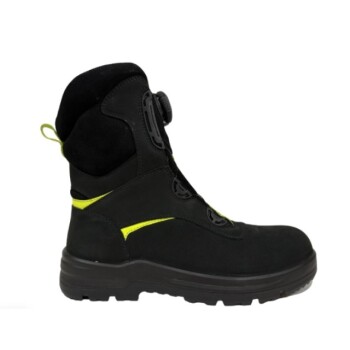
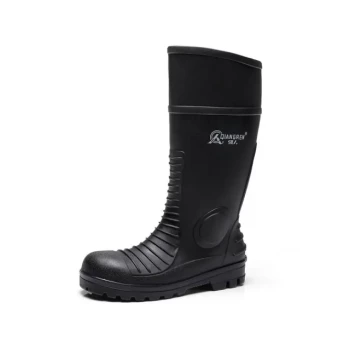
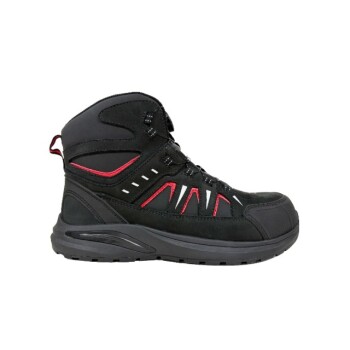
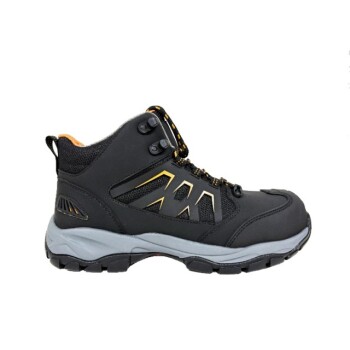
Impact-resistant toe caps serve a fundamental dual role in safety footwear. Functioning as a critical shield, they provide direct mechanical cushioning to protect the feet from the crushing force of falling heavy objects. Beyond physical defense, they stabilize the operator's performance by removing the distraction of potential injury, ensuring lifting operations remain precise and controlled.
Reliable foot protection does more than prevent fractures; it acts as a psychological anchor. By eliminating the fear of injury, impact-resistant caps prevent rushed movements and operational errors, preserving the integrity of safety protocols.
The Mechanics of Physical Protection
Direct Mechanical Cushioning
In heavy equipment lifting zones, the primary function of the toe cap is to act as a rigid barrier. Whether made of high-strength steel or advanced composite materials, the cap creates a protective shell around the toes.
Absorbing Impact Energy
When a heavy object falls, the cap intercepts the blow. It absorbs the kinetic energy and distributes the impact force away from the fragile bones of the foot.
The Last Line of Defense
While administrative controls attempt to prevent drops, toe caps serve as the ultimate fail-safe. They ensure that if a load slips, the operator escapes permanently debilitating injury.
The Operational and Psychological Impact
Reducing Psychological Stress
The presence of reliable safety gear directly influences the operator's mental state. Knowing their feet are protected reduces the psychological stress associated with working near suspended loads.
Preventing Reactionary Errors
Fear of injury can lead to hesitation or erratic behavior. By removing this fear, toe caps help prevent rushed movements that often result in accidents.
Ensuring Protocol Adherence
When operators feel secure, they are more likely to follow standard operating procedures calmly. This stability ensures that complex safety protocols remain under strict control during critical lifts.
Understanding the Trade-offs
The Risk of Over-Reliance
While toe caps are essential, they are not invincible. A common pitfall is assuming that wearing safety shoes eliminates all risk, which can lead to complacency regarding load handling.
Material Considerations
High-strength steel offers maximum density but adds weight to the boot. Composite caps are lighter but may have different thickness profiles. Selecting the wrong type for the specific lifting environment can impact agility and comfort.
Making the Right Choice for Your Goal
To maximize safety in heavy lifting operations, consider how the equipment influences both the body and the mind.
- If your primary focus is maximum injury prevention: Prioritize footwear with high-strength steel or certified composite caps to ensure the highest level of mechanical cushioning against heavy impacts.
- If your primary focus is operational efficiency: Emphasize the psychological assurance provided by the gear, training staff to understand that their protection allows for calmer, more deliberate movements.
True safety is achieved when physical protection empowers the operator to work with confidence and precision.
Summary Table:
| Feature | Function & Benefit |
|---|---|
| Physical Shield | Acts as a rigid barrier against crushing forces and falling heavy objects. |
| Energy Absorption | Dissipates kinetic energy away from fragile foot bones to prevent fractures. |
| Psychological Anchor | Reduces operator stress and fear, preventing reactionary errors and hesitation. |
| Material Options | Steel (maximum density) or Composite (lightweight) to suit different work environments. |
| Operational Safety | Facilitates adherence to safety protocols by ensuring calm, precise movements. |
Partner with 3515 for Professional-Grade Footwear Solutions
As a large-scale manufacturer serving distributors and brand owners worldwide, 3515 offers comprehensive production capabilities for all footwear types. Our flagship Safety Shoes series is engineered to meet the highest protection standards, ensuring your customers remain safe and confident in high-risk environments.
Our extensive portfolio covers:
- Work and Tactical Boots for rigorous field operations.
- Outdoor and Training Shoes for durability and performance.
- Sneakers and Dress & Formal Shoes for diverse bulk requirements.
Maximize your product reliability today. Contact us now to discuss how our manufacturing expertise can support your brand and supply chain needs.
References
- Bing Tang, Wei Lü. EXPLORING THE RISK TRANSMISSION CHARACTERISTICS AMONG UNSAFE BEHAVIORS WITHIN URBAN RAILWAY CONSTRUCTION ACCIDENTS. DOI: 10.3846/jcem.2022.16924
This article is also based on technical information from 3515 Knowledge Base .
Related Products
- Advanced KPU Athletic Safety Shoe with Steel Toe Cap Anti-Slip Rotary Lacing System
- Puncture-Resistant Velcro Safety Boots for Wholesale & Custom Manufacturing
- Wholesale Durable Safety Boots | Custom Steel Toe & Puncture-Resistant Manufacturing
- Wholesale Durable Breathable Safety Boots Custom OEM Manufacturer
- Durable Leather Moc Toe Work Boots for Wholesale & Custom Manufacturing
People Also Ask
- What are the key differences between steel toe and composite toe caps? Choose the Right Safety for Your Job
- What impact do steel toe caps have on toe skin health? Prevent Friction and Pressure in Your Safety Shoes
- What are the primary protective functions of safety shoes with steel toes in the automotive repair industry?
- What type of safety shoe is recommended for workers exposed to heavy machinery? Steel Toe Boots for Ultimate Protection
- How does defining specific friction interface models in FEA assist in predicting safety shoe toe cap failure modes?