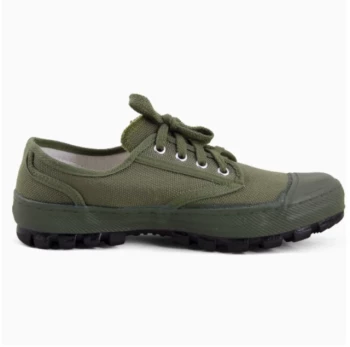
To ensure safety for diabetic workers, industrial footwear must integrate three specific structural features: a wide toe box to prevent compression, seamless inner linings to eliminate friction, and high-performance shock-absorbing outsoles to mitigate mechanical impact. These features are not optional upgrades; they are critical defenses against the unique vulnerabilities caused by peripheral neuropathy.
Core Insight: The primary function of diabetic safety footwear is to prevent internal injury. Because neuropathy often eliminates pain sensation, the shoe’s structure must proactively neutralize pressure and friction to prevent minor, undetected traumas from escalating into severe foot ulcers.
Eliminating Pressure and Friction
The most immediate threats to a diabetic foot in an industrial setting are compression and abrasion. The structural design must address these internal hazards.
The Necessity of a Wide Toe Box
Standard safety shoes often feature tapered fronts that crowd the toes. Diabetic footwear requires a wide toe box.
This structural expansion eliminates foot compression. It ensures that the toes are not forced against rigid safety caps or each other, maintaining necessary circulation and preventing pressure sores.
Seamless Inner Linings
Friction is a primary cause of skin breakdown. To combat this, the interior of the shoe must feature seamless inner linings.
By removing stitching ridges and rough internal joints, the design eliminates friction points. This prevents the formation of blisters and abrasions that a worker with neuropathy might not feel until significant damage has occurred.
Managing Impact and Trauma
Beyond static pressure, the dynamic force of walking and working on hard surfaces poses a significant risk.
High-Performance Shock Absorption
Industrial environments subject the feet to repetitive mechanical stress. The outsoles must be engineered with high-performance shock-absorbing materials.
These materials dampen the force of each step. This absorption reduces the mechanical impact transferred to the soft tissues and bones of the foot, protecting against deep-tissue injury.
The Critical Context: Peripheral Neuropathy
Understanding the "why" behind these features is essential for proper selection.
The Danger of Sensation Loss
Diabetic patients frequently suffer from peripheral neuropathy, which leads to a loss of pain sensation.
A worker with neuropathy cannot feel a shoe rubbing or a blister forming. Consequently, the protective designs listed above act as a fail-safe, preventing minor undetected traumas that could otherwise develop into severe foot ulcers.
Understanding the Trade-offs
When selecting safety gear for diabetic conditions, you must recognize the limitations of standard equipment.
Standard Gear is Insufficient
Standard industrial footwear is designed primarily to protect against external hazards, such as falling objects or punctures. They often lack the internal ergonomic features required for diabetic health.
Using standard safety shoes without a wide toe box or seamless lining introduces a high risk of "silent" injuries. The trade-off for diabetic safety is that off-the-shelf, standard-fit equipment is rarely an acceptable option; specialized structural design is a requirement, not a luxury.
Making the Right Choice for Your Safety
To ensure the footwear meets the medical and industrial needs of the worker, prioritize the following based on specific risks:
- If your primary focus is preventing skin breakdown: Prioritize seamless inner linings and a wide toe box to remove the friction and compression that cause ulcers.
- If your primary focus is reducing skeletal stress: Prioritize outsoles with high-performance shock-absorbing materials to dampen the repetitive impact of industrial surfaces.
By mandating these specific structural features, you ensure that the footwear protects the worker from both industrial hazards and the medical risks associated with diabetes.
Summary Table:
| Feature | Structural Requirement | Primary Benefit to Diabetic Workers |
|---|---|---|
| Toe Box | Extra-wide & high-volume | Prevents toe compression and ensures circulation. |
| Interior Lining | Seamless & smooth texture | Eliminates friction points to prevent blisters and ulcers. |
| Outsole | High-performance shock absorption | Mitigates mechanical impact on soft tissues and bones. |
| Protective Cap | Ergonomically integrated | Protects against impact without compromising internal space. |
Secure Your Workforce with Specialized Safety Footwear Solutions
Protecting workers with unique health needs requires more than standard off-the-shelf solutions. 3515, a leading large-scale manufacturer, specializes in high-performance footwear engineered for both durability and health safety. Whether you are a distributor or a brand owner, we provide the manufacturing expertise needed to produce specialized Safety Shoes, tactical boots, and ergonomic work footwear that meet the highest industrial standards.
Partner with 3515 to access:
- Advanced Production Capabilities: Tailored designs including wide-fit and seamless interior technologies.
- Comprehensive Portfolio: From flagship Safety Shoes and training sneakers to Dress & Formal shoes for bulk requirements.
- Proven Reliability: Decades of experience serving global distributors with high-volume, quality-controlled manufacturing.
Ready to upgrade your inventory with safety footwear that truly protects?
Contact 3515 Today to Discuss Your Bulk Requirements
References
- Muhammad Kashif Rafiq, Fouzia Jameel. Diabetic Foot Ulcers: Insights into Management and Prevention. DOI: 10.53350/pjmhs22169633
This article is also based on technical information from 3515 Knowledge Base .
Related Products
- Premium Lightweight Safety Shoes for Wholesale & Bulk Orders
- Premium Suede Sport Safety Shoes for Wholesale & Bulk Orders
- Durable Leather Safety Boots for Wholesale & Custom OEM Manufacturing
- Customizable Slip-On Safety Shoes Direct from the Factory for Wholesale
- Durable Steel Toe Safety Boots Wholesale & Custom Manufacturing
People Also Ask
- What is a recommended alternative to using hairspray for slip resistance? Ditch Unreliable Hacks for Real Safety
- What role does blockchain play in footwear supply chain transparency? Enhance Safety Shoe Traceability and Verification
- How is the absence of PPE (safety shoes & helmets) categorized in construction motion data labeling? Unlock Real-Time Safety Insights!
- What workplace hazards indicate the need for safety shoes? Identify risks to protect your workforce.
- What role do specialized safety shoes play in preventing falls? Engineering Stability in Industrial Environments