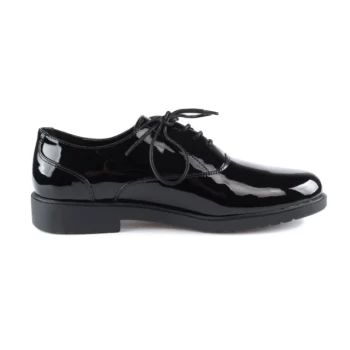
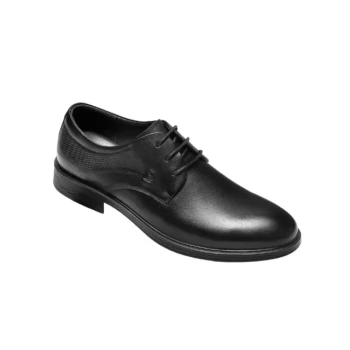
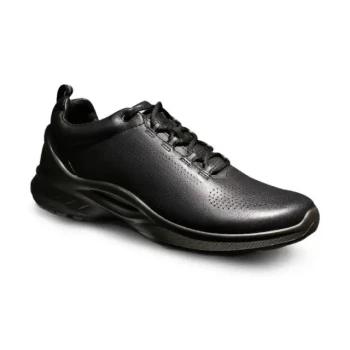
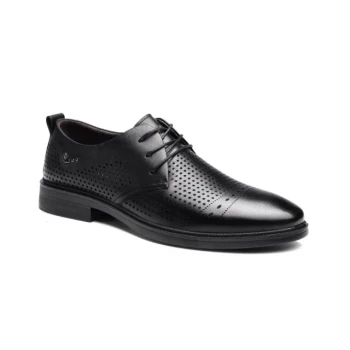
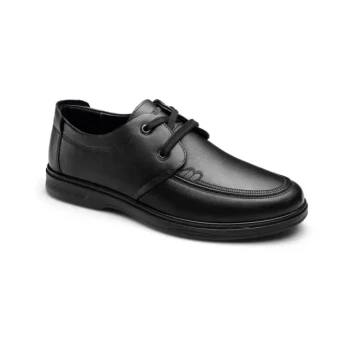
In short, the best approach is to prioritize quality construction and a comfortable fit over fleeting trends or brand names. A well-chosen professional dress shoe is a long-term investment in both your image and your daily well-being, focusing on durable materials and timeless, versatile styles.
The core principle is simple: your footwear collection should be built on a foundation of high-quality, comfortable, and versatile shoes. This ensures you are prepared for any professional scenario without sacrificing comfort or durability.
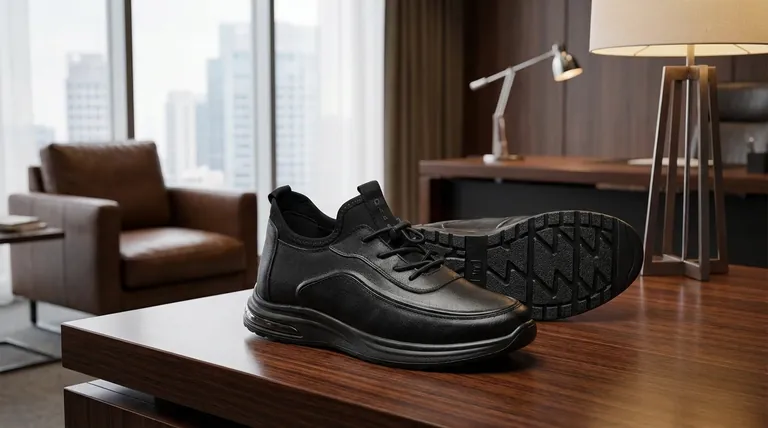
Deconstructing the "Perfect" Professional Shoe
The ideal professional shoe is a balance of three critical elements: construction, material, and fit. Getting these right means the difference between a shoe that lasts a few months and one that serves you well for years.
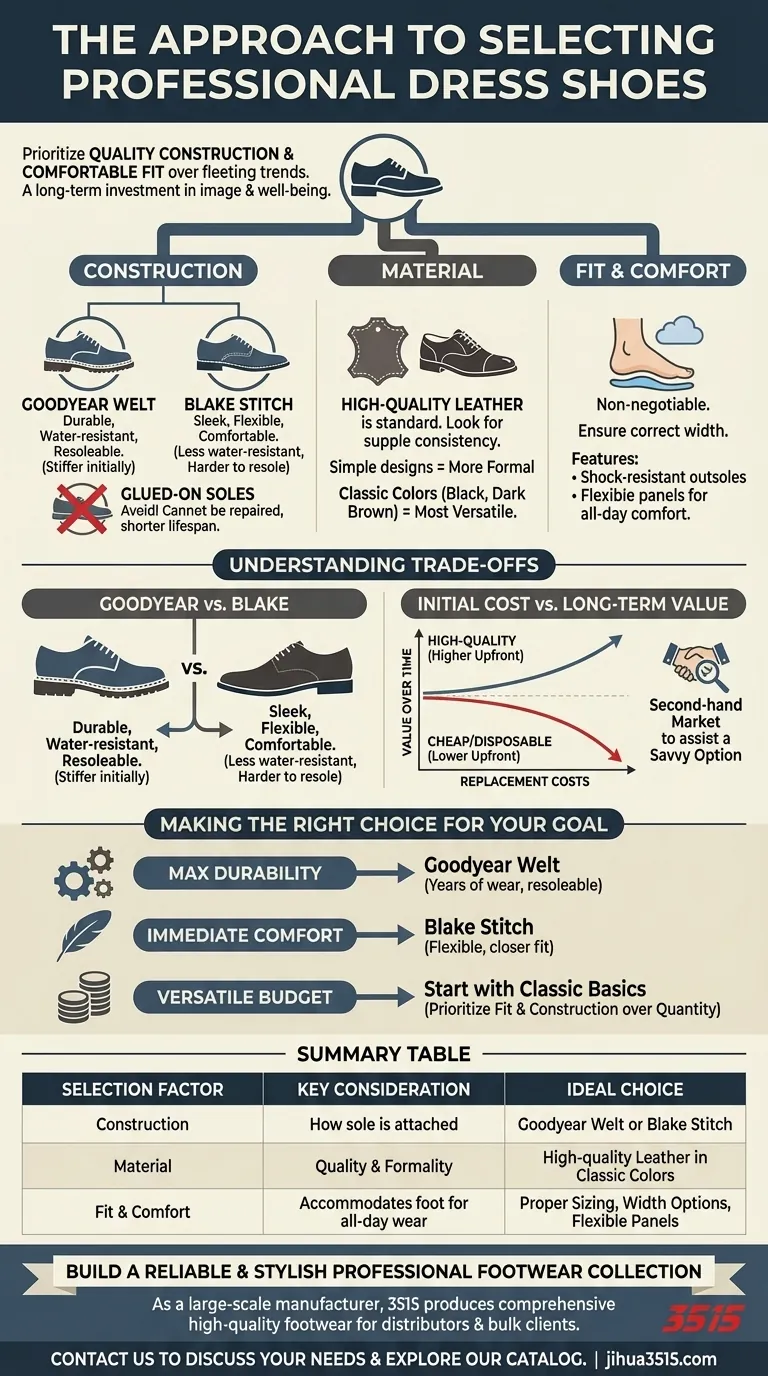
The Foundation: Quality Construction
How a shoe is put together is the single most important factor in its longevity. The key is how the sole is attached to the upper part of the shoe.
Look for construction methods that allow for resoling, such as a Goodyear welt or a Blake stitch. These methods are hallmarks of quality craftsmanship.
Conversely, you should generally avoid shoes with glued-on soles. While less expensive initially, they cannot be repaired and have a much shorter lifespan.
The Character: Material and Formality
The material and design dictate the shoe's formality and durability.
High-quality leather is the standard for professional footwear. Be wary of vague terms like "genuine leather," which can represent lower grades. Feel the leather; it should be supple and consistent.
A shoe's formality is often determined by its simplicity. The cleaner and less ornate the design, the more formal it is. Classic colors like black and dark brown offer the most versatility.
The Essential: Fit and Comfort
A high-quality shoe is worthless if it's painful to wear. Comfort is non-negotiable for professional footwear.
Ensure the shoe fits well from the start, accommodating your specific foot shape, such as a high instep or wide feet. Many quality brands offer various width options.
Features like shock-resistant outsoles and flexible panels can significantly enhance all-day comfort, which is crucial for anyone who spends a lot of time on their feet.
Understanding the Trade-offs
Choosing the right shoe involves balancing cost, comfort, and style. It's important to recognize the compromises inherent in different construction methods.
Goodyear Welt vs. Blake Stitch
A Goodyear welt is a strip of leather stitched around the bottom edge of the shoe, attaching the upper to the sole. This creates a highly durable, water-resistant, and easily resoleable shoe, but it can be stiffer initially.
A Blake stitch directly sews the outsole to the insole and upper. This results in a sleeker, more flexible shoe that is comfortable right out of the box, but it is less water-resistant and can be more difficult to resole.
Initial Cost vs. Long-Term Value
High-quality, well-constructed shoes have a higher upfront cost. However, their durability and ability to be resoled make them a more cost-effective investment over the long term compared to cheaper, disposable footwear.
Exploring the second-hand market can be a savvy way to acquire premium shoes at a more accessible price point.
Making the Right Choice for Your Goal
Your specific needs should guide your selection. A foundational collection should include versatile options like loafers, pumps, kitten heels, or ankle boots to cover various professional settings.
- If your primary focus is maximum durability and longevity: Choose a shoe with a Goodyear welt construction, as it is built to withstand years of wear and can be easily resoled multiple times.
- If your primary focus is immediate comfort and a sleek profile: Opt for a Blake-stitched shoe, which offers superior flexibility and a closer fit from the very first wear.
- If your primary focus is building a versatile wardrobe on a budget: Start with one or two pairs of classic, high-quality shoes in neutral colors from a reputable entry-level brand, prioritizing fit and construction over quantity.
Ultimately, a thoughtful approach to selecting your professional shoes empowers you to build a reliable, stylish, and comfortable foundation for your work wardrobe.
Summary Table:
| Selection Factor | Key Consideration | Ideal Choice |
|---|---|---|
| Construction | How the sole is attached to the upper. | Goodyear Welt or Blake Stitch for durability and resoling. |
| Material | Quality and formality of the shoe. | High-quality leather in classic colors (black, dark brown). |
| Fit & Comfort | Accommodates foot shape for all-day wear. | Proper sizing, various width options, flexible panels. |
Ready to build a reliable and stylish professional footwear collection?
As a large-scale manufacturer, 3515 produces a comprehensive range of high-quality footwear for distributors, brand owners, and bulk clients. Our production capabilities encompass all types of professional shoes and boots, built with a focus on durable construction, premium materials, and superior comfort.
Let us help you source the perfect professional dress shoes for your market. Contact our team today to discuss your needs and explore our catalog.
Visual Guide
Related Products
- Wholesale Patent Oxford Dress Shoes | Custom & Bulk Manufacturing
- Wholesale Comfort Dress Shoes with Dial Closure for Custom Manufacturing
- Custom Manufactured Air Cushion Leather Business Shoes for Wholesale
- Wholesale Leather Derby Dress Shoes Custom Manufacturer for Brands
- Classic Leather Derby Dress Shoes Wholesale & Custom Manufacturing
People Also Ask
- What are the key characteristics of Oxford dress shoes? A Guide to Timeless Formal Footwear
- How do Oxfords and Derbies differ in terms of lacing and formality? A Guide to Choosing the Right Shoe
- What is the origin of the Oxford shoe? From 1800s University Boots to Modern Elegance
- How do Oxford Shoes differ from other casual shoes? The Ultimate Guide to Lacing & Formality
- What makes Oxford shoes suitable for business casual settings? Master the Art of Professional Style