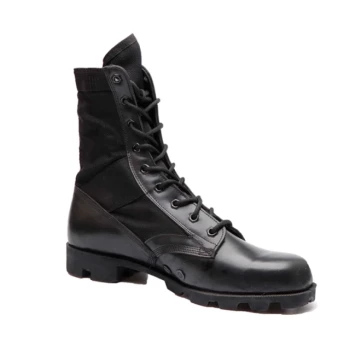
To choose the right tactical boots, you must first define your mission, assess your environment, and prioritize a proper fit. These three pillars—purpose, environment, and fit—dictate every other decision, from material and boot height to specific features like waterproofing or safety toes.
The most common mistake is searching for the "best" tactical boot. The correct approach is to identify the right boot for a specific task, which always involves a calculated trade-off between protection, mobility, and comfort.
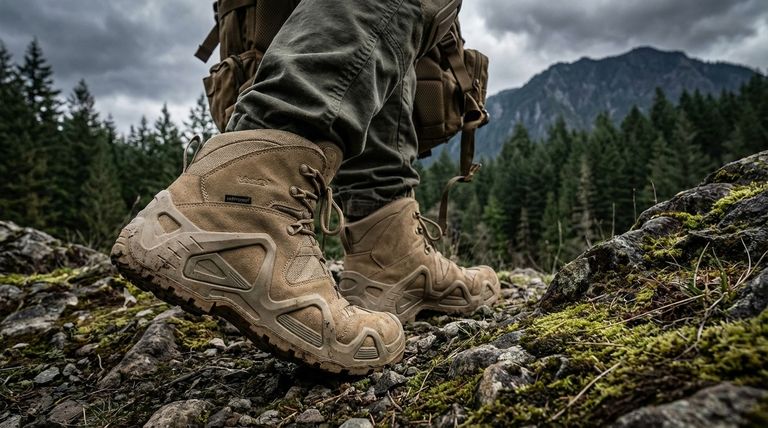
The Foundational Question: What Is Your Mission?
A boot designed for a long-distance ruck march is fundamentally different from one built for fast-roping or daily patrol. Your primary use case is the single most important factor.
For Military and Law Enforcement
Operators require boots that balance durability for demanding use with the support needed to carry heavy loads. Weight and outsole traction are critical considerations for varied and unpredictable terrain.
For Hiking and Outdoor Recreation
Hikers and hunters should prioritize support, weather resistance, and comfort for long periods on their feet. The boot must match the terrain and season, with insulation for cold weather and breathability for warmer climates.
For Demanding Work Environments
Professionals in trades or industrial settings must prioritize safety features. This includes slip-resistant outsoles, safety toes (steel, composite, or alloy), and potentially puncture or electrical hazard resistance, as dictated by industry regulations.
For Everyday Carry (EDC) and General Use
For daily wear, comfort and low-profile aesthetics often take precedence. Users in this category typically favor lighter, more flexible boots that resemble athletic shoes while still offering enhanced durability and support.
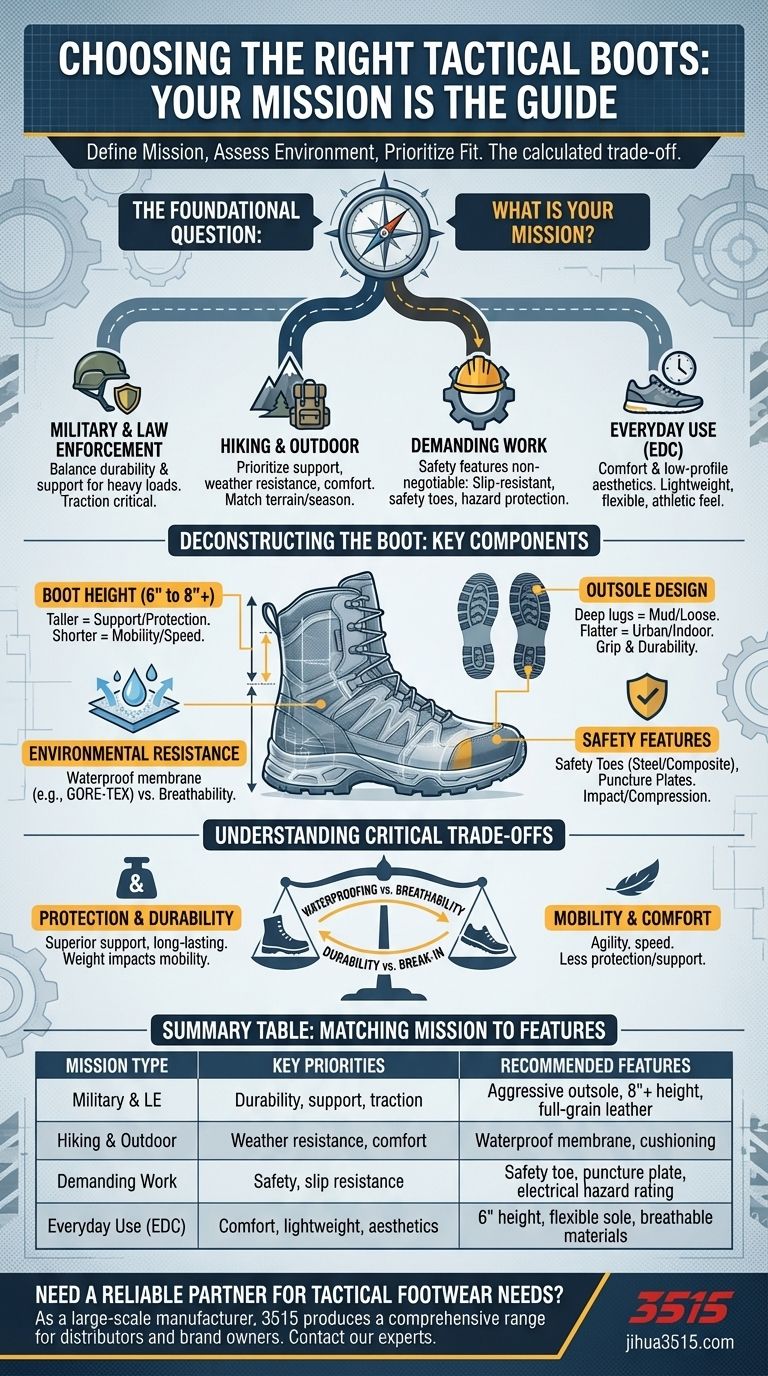
Deconstructing the Boot: Key Components
Understanding the anatomy of a tactical boot allows you to evaluate how its design will perform for your specific needs.
Boot Height: The Mobility vs. Support Spectrum
The height of a boot, typically measured in inches, represents a direct trade-off.
- Taller boots (8”+) offer maximum ankle support and protection from environmental hazards. They are ideal for carrying heavy loads or navigating rough, unstable terrain.
- Shorter boots (6” and under) provide significantly more flexibility and are often lighter. They are better suited for situations requiring agility and speed.
Outsole Design: Grip and Durability
The outsole is the boot's point of contact with the ground. Look for lug patterns designed for your specific environment—deeper, more aggressive lugs for mud and loose terrain, and flatter, more surface-area-focused designs for urban or indoor surfaces.
Environmental Resistance: Waterproofing and Breathability
Many boots feature a waterproof and breathable membrane, like GORE-TEX, to keep feet dry from external moisture while allowing sweat vapor to escape. This is crucial for operating in wet or unpredictable weather.
Safety Features: Toe Caps and Puncture Plates
For hazardous environments, safety toes are non-negotiable. They protect against impact and compression. Puncture-resistant soles add another layer of protection from sharp objects on the ground.
Understanding the Critical Trade-offs
There is no perfect boot, only the right set of compromises for your mission. Understanding these balances is key to making an informed choice.
Protection vs. Weight
Heavier, more rigid boots offer superior protection and support. However, that weight directly impacts mobility and can increase fatigue over long distances. Every ounce on your feet feels like pounds on your back.
Waterproofing vs. Breathability
A fully waterproof boot is excellent at keeping water out, but it can limit breathability. In hot climates, this can lead to feet sweating excessively, which can cause blisters and discomfort just as easily as external moisture.
Durability vs. Break-in Period
The most durable boots are often made from thick, full-grain leather that requires a significant break-in period to become comfortable. More modern, synthetic materials may be comfortable out of the box but may not offer the same long-term resilience.
Convenience vs. Reliability
Features like side zippers offer convenience for quickly putting on or taking off boots. However, they can also be a point of mechanical failure and a potential entry point for water, compromising the boot's integrity.
Making the Right Choice for Your Goal
Select your boot based on a clear-eyed assessment of your most common and most critical tasks.
- If your primary focus is rapid movement and agility: Prioritize a lightweight, shorter boot (under 8") with a flexible sole that mimics an athletic shoe.
- If your primary focus is maximum protection in hazardous environments: Choose a taller, more rigid boot with a certified safety toe and a durable leather or synthetic upper.
- If your primary focus is all-weather, multi-day use: Select a boot with a proven waterproof and breathable membrane and excellent ankle support for carrying a pack.
- If your primary focus is all-day comfort for light duty: Look for boots with ample cushioning, good arch support, and breathable materials to manage temperature and moisture.
Ultimately, choosing the right tactical boot is about selecting the ideal tool for the task at hand.
Summary Table:
| Mission Type | Key Priorities | Recommended Features |
|---|---|---|
| Military & Law Enforcement | Durability, support, traction | Aggressive outsole, 8"+ height, full-grain leather |
| Hiking & Outdoor | Weather resistance, comfort, support | Waterproof membrane (e.g., GORE-TEX), cushioning |
| Demanding Work | Safety, slip resistance | Safety toe, puncture plate, electrical hazard rating |
| Everyday Use (EDC) | Comfort, lightweight, aesthetics | 6" height, flexible sole, breathable materials |
Need a reliable partner for your tactical footwear needs?
As a large-scale manufacturer, 3515 produces a comprehensive range of tactical, work, and outdoor boots for distributors, brand owners, and bulk clients. Our production capabilities encompass all types of footwear, from durable military-grade boots to comfortable everyday tactical styles, ensuring quality, durability, and performance for your specific market.
Contact our experts today to discuss your requirements and discover how we can support your business with high-quality, purpose-built footwear.
Visual Guide
Related Products
- Durable Leather Tactical Boots Wholesale & Custom Manufacturing for Brands
- High-Traction Suede Tactical Boots Wholesale & Custom Manufacturing
- Durable Leather High-Ankle Tactical Boots for Wholesale & Custom Manufacturing
- Durable Mid-Cut Tactical Boots for Wholesale & Private Label
- Wholesale Waterproof Tactical Boots Custom Suede & High-Traction Soles
People Also Ask
- What specialized protections do tactical boots offer? Maximize Endurance with High-Performance Footwear
- What features should law enforcement officers look for in tactical boots? Essential Guide for Safety & Performance
- Importance of Professional Tactical Boots in Loess Gully Regions: Ensure Safety and Precision for Field Monitoring
- What is rucking, and why are tactical boots suitable for it? Discover the Ultimate Footwear for Heavy Loads
- What makes the traction of tactical boots superior? Unlock the Science of Unbeatable Grip