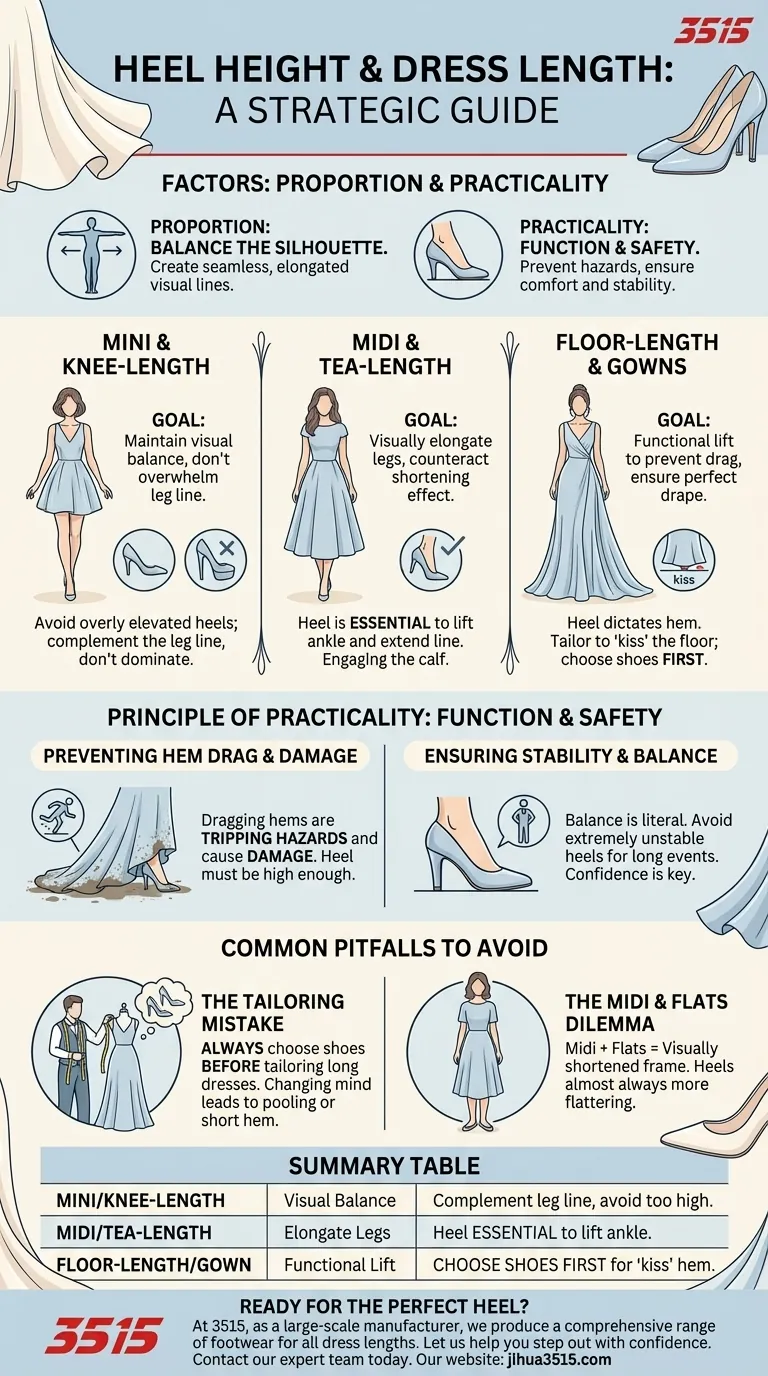
The correct heel height is determined by two factors: proportion and practicality. For shorter dresses, the goal is to maintain visual balance without overwhelming your leg line. For long gowns, the primary concern is lifting the hem to the perfect height, preventing it from dragging on the floor and creating a tripping hazard.
The ideal heel height is not a fixed number, but a strategic choice that creates a seamless silhouette. It should make the dress hang perfectly while ensuring the overall look remains balanced and you can move with confidence.
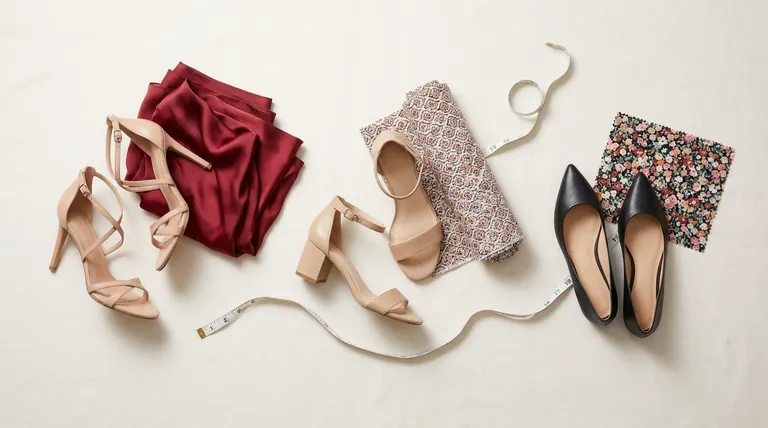
The Principle of Proportion: Balancing the Silhouette
The visual relationship between the hemline of your dress and your shoe is critical. The wrong choice can disrupt the intended proportions of the outfit, while the right one creates a harmonious and elongated look.
For Shorter Dresses (Mini and Knee-Length)
With shorter hemlines, a significant portion of your legs is visible. The goal is to elongate this line gracefully.
While you have great flexibility, an overly elevated heel can sometimes create a visually top-heavy or unbalanced appearance. The key is choosing a heel that complements the leg line rather than dominating it.
For Midi and Tea-Length Dresses
This is often the most challenging length to style. Because the hem cuts across the calf, it can visually shorten the leg.
A heel becomes almost essential here. It lifts the foot and ankle, engaging the calf muscle and creating a more elegant, extended line that counteracts the shortening effect of the hem.
For Floor-Length and Gowns
With a long dress, the heel's job is almost entirely functional, but in service of aesthetics. It dictates how the fabric drapes and falls.
The ideal heel is one that lifts the hem so it just "kisses" the top of the floor. This creates a tall, unbroken column effect and allows the dress to move as the designer intended.
The Principle of Practicality: Function and Safety
Beyond visual appeal, your choice of heel has real-world consequences for your comfort and safety throughout an event.
Preventing Hem Drag and Damage
For any long dress, a heel that is too low is a significant problem. A dragging hem is a serious tripping hazard for you and others.
Furthermore, it will inevitably lead to the fabric becoming dirty, frayed, or permanently damaged, especially at an outdoor or crowded event.
Ensuring Stability and Balance
The concept of "balance" applies literally. An extremely high stiletto, even if it looks good, may be impractical if you need to stand for hours or walk on uneven surfaces.
An unstable shoe can ruin your posture and confidence, detracting far more from your look than a slightly lower, more stable heel ever would.
Common Pitfalls to Avoid
Navigating the dress-to-heel relationship involves being aware of a few common mistakes that can undermine an otherwise perfect outfit.
The Tailoring Mistake
You must always choose your shoes before getting a long dress tailored. The final hem length is entirely dependent on the heel height you will be wearing.
Changing your mind from a 4-inch heel to a 2-inch heel after alterations will leave your dress pooling on the floor. The reverse will leave it looking awkwardly short.
The Midi Dress and Flats Dilemma
Pairing a midi dress with very low heels or flats is an advanced style choice that is difficult to get right. For most people, this combination visually shortens the entire frame.
Unless you are intentionally aiming for a specific, quirky aesthetic, a heel of some height will almost always create a more flattering result with a midi hemline.
Making the Right Choice for Your Dress
Use your primary goal to guide your final decision, always balancing visual harmony with practical considerations.
- If you are wearing a floor-length gown: Choose your shoes first, then tailor the hem to just graze the floor for a perfect, safe length.
- If you are wearing a midi-length dress: Opt for a heel that visually extends the leg line to counteract the calf-cutting hem.
- If you are wearing a mini or knee-length dress: Select a heel that feels proportional and stable, ensuring it complements your leg line rather than dominating it.
Ultimately, the right heel is the one that allows you to wear your chosen dress with effortless confidence.
Summary Table:
| Dress Length | Primary Goal | Key Heel Consideration |
|---|---|---|
| Mini/Knee-Length | Visual Balance | Avoid overly high heels that can look top-heavy; complement the leg line. |
| Midi/Tea-Length | Elongate Legs | A heel is essential to lift the ankle and counteract the shortening hem. |
| Floor-Length/Gown | Functional Lift | Choose heel first, then tailor hem to "kiss" the floor for safety and drape. |
Ready to Find the Perfect Heel for Your Event?
Choosing the right heel is the final touch to a flawless look. At 3515, as a large-scale manufacturer, we produce a comprehensive range of footwear for distributors, brand owners, and bulk clients. Our production capabilities encompass all types of dress shoes and boots, ensuring you have the perfect styles to match any dress length.
Let us help you step out with confidence. Contact our expert team today to discuss your footwear needs and discover how we can bring your vision to life.
Visual Guide
Related Products
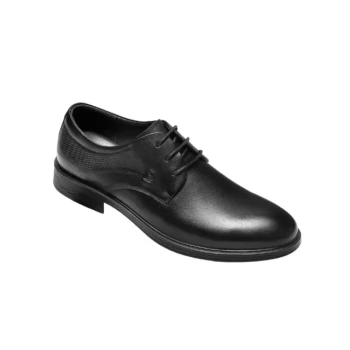
- Wholesale Leather Derby Dress Shoes Custom Manufacturer for Brands
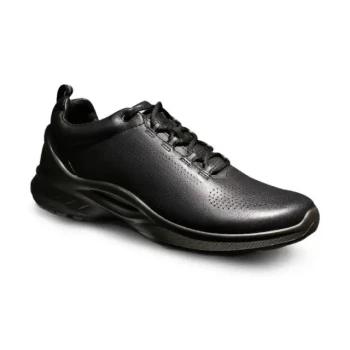
- Wholesale Comfort Dress Shoes with Dial Closure for Custom Manufacturing
- Classic Leather Derby Dress Shoes Wholesale & Custom Manufacturing
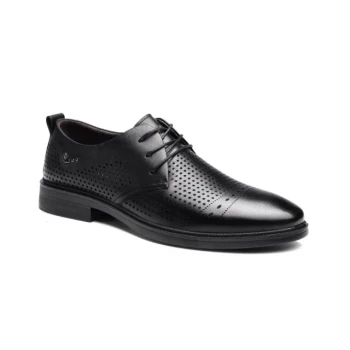
- Wholesale Perforated Comfort Dress Shoes | Custom Derby Shoe Manufacturer
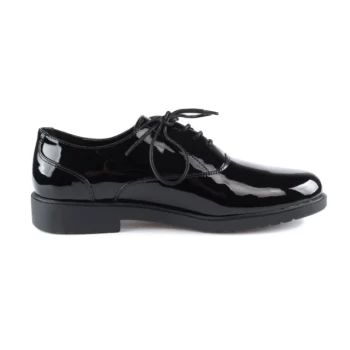
- Wholesale Patent Oxford Dress Shoes | Custom & Bulk Manufacturing
People Also Ask
- What is the main difference between Derby Shoes and Oxford Shoes? It's All in the Lacing.
- What are the features and appropriate occasions for wearing derby shoes? A Guide to Versatile Style
- How do Derby shoes fit into business casual attire? Master the Perfect Balance of Professional Style
- What historical figure is associated with the Derby shoe? The Earl of Derby's Comfort Revolution
- What is the difference between Derby and Oxford shoes? A Guide to Choosing the Right Shoe