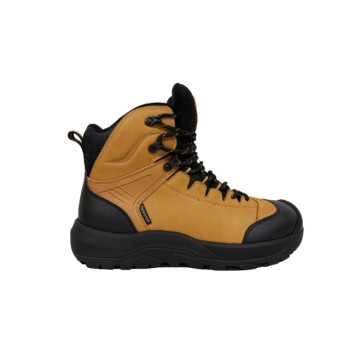
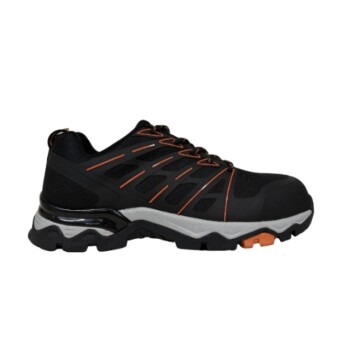
Safety shoes with electrical insulation properties serve as a fundamental defense against electric shock in sewing environments. These facilities are often dense with machine power cables and electrical sockets. Insulated footwear effectively blocks the path of electrical current to the ground, protecting workers from hazards caused by damaged cords, equipment leakage, or accidental contact with live circuits.
Core Takeaway: In the complex electrical environment of a sewing floor, insulating footwear acts as a critical "last line of defense." It safeguards life by preventing the completion of an electrical circuit through the worker's body, specifically mitigating risks associated with equipment malfunction and compromised wiring.
Managing Electrical Hazards in Sewing Operations
Sewing operations present unique electrical risks due to the density of powered machinery. Insulated safety shoes address these risks through specific protective mechanisms.
Protection Against Compromised Infrastructure
Fabric sewing floors typically involve a high volume of power cables and electrical sockets situated on or near the floor.
Over time, the frequent movement of carts, chairs, and operators can damage cable insulation. Safety shoes with electrical insulation protect the wearer if they accidentally step on a live, damaged cord, preventing current from entering the body.
Mitigating Risks from Equipment Leakage
Industrial sewing machines are complex electrical configurations that can experience electrical leakage.
If a machine malfunctions and the casing becomes electrified, a worker touching the machine would normally complete the circuit to the ground. Insulated shoes break this path, significantly reducing the risk of a severe or fatal shock.
Safety During Complex Manual Handling
Operators often handle materials and adjust machinery, occasionally with wet hands or in humid conditions.
These conditions lower the skin's natural resistance to electricity, increasing shock severity. Insulated footwear compensates for this vulnerability by ensuring the worker remains electrically isolated from the floor.
Beyond Electricity: The Holistic Safety Profile
While electrical insulation is the primary safeguard against shock, the sewing environment requires a multifaceted approach to safety.
Stability for Pedal Operation
Sewing operators spend hours seated, requiring precise foot control to operate pedals.
High-quality safety shoes provide arch support and shock absorption. This creates a stable mechanical environment, helping to correct foot posture and reducing the ankle fatigue associated with repetitive pedal usage.
Mechanical and Environmental Defense
Sewing workshops often contain heavy materials and potential slip hazards.
Reinforced safety shoes offer impact-resistant toe caps to deflect falling objects and puncture-resistant midsoles. Additionally, anti-slip designs are crucial for maintaining balance in areas where oil or liquids may be present on the floor.
Understanding the Trade-offs
To ensure maximum safety, it is vital to understand the limitations of electrical insulating footwear.
Insulation vs. Static Dissipation
It is critical not to confuse electrical insulation with anti-static properties.
Insulating shoes prevent high-voltage current from passing through the body (anti-shock). However, they may not discharge static electricity build-up, which can be a separate concern in environments handling sensitive electronic components.
The Impact of Wear and Tear
The protective qualities of insulating shoes are not permanent.
If the sole becomes worn down, punctured, or cracked, the insulation value is compromised. Regular inspection is necessary to ensure the shoes maintain the integrity required to block electrical current effectively.
Making the Right Choice for Your Facility
Selecting the correct footwear requires balancing electrical safety with ergonomic needs.
- If your primary focus is Electrical Safety: Prioritize shoes with certified high-voltage insulation ratings to protect against leakage and exposed wiring in machine-dense areas.
- If your primary focus is Operator Ergonomics: Look for footwear that combines electrical insulation with specialized arch support and flexible soles to reduce fatigue during pedal operation.
The most effective safety shoe is one that isolates the worker from electrical faults while supporting the physical demands of the sewing process.
Summary Table:
| Hazard Category | Protection Mechanism | Operational Benefit |
|---|---|---|
| Electrical Shock | High-resistance soles block current path to ground | Prevents injury from damaged cables & leakage |
| Physical Impact | Reinforced toe caps & puncture-resistant midsoles | Protects against falling objects & sharp tools |
| Ergonomic Strain | Specialized arch support & shock absorption | Reduces ankle fatigue during repetitive pedal use |
| Slips & Falls | High-traction, anti-slip outsoles | Ensures stability on oily or humid factory floors |
Partner with 3515 for Professional-Grade Workplace Safety
As a large-scale manufacturer serving distributors and brand owners, 3515 offers comprehensive production capabilities for all footwear types, anchored by our flagship Safety Shoes series. Whether you need high-voltage electrical insulation for industrial sewing plants or tactical boots for rugged environments, our extensive portfolio covers work boots, outdoor shoes, training sneakers, and formal dress shoes to meet your diverse bulk requirements.
Ready to elevate your safety standards? Contact us today to discuss custom manufacturing solutions and bulk distribution opportunities tailored to your brand's needs.
References
- Farida Novianti, Anafil Windriya. Hazard Analysis of Occupational Health and Safety (OHS) Using The JSA (Job Safety Analysis) Method in Grey Weaving 2 Warehouse PT XYZ. DOI: 10.14710/ajlm.2023.19038
This article is also based on technical information from 3515 Knowledge Base .
Related Products
- Premium Insulated Safety Boots and Shoes for Wholesale & Bulk Orders
- Premium KPU Injection Athletic Style Safety Shoes
- Premium KPU Athletic Safety Shoes for Wholesale
- Premium Lightweight Safety Shoes for Wholesale & Bulk Orders
- Premium Wholesale Tactical Style Safety Shoes Boots with Quick Lacing
People Also Ask
- What are the recommended insulation ratings for mild winter conditions? A Guide for Active & Stationary Workers
- How does insulation thickness correlate with temperature ranges? A Guide to Choosing the Right Warmth
- What insulation level is needed for severe cold and stationary work? 1200g or Higher is Essential
- What safety advantages do insulated boots offer beyond warmth? Dielectric Protection & Superior Grip
- How does fleece lining contribute to the warmth of insulated boots? Trapping Air for Superior Cold Protection