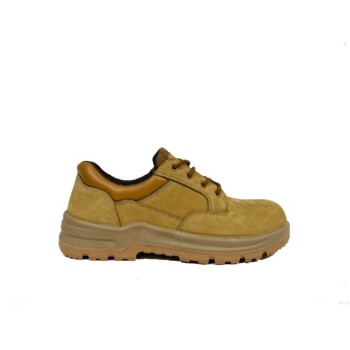
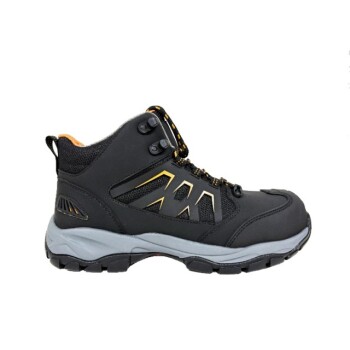
Footwear with high support performance serves as a critical physical interface for fall prevention. It functions primarily by stabilizing the ankle, maximizing ground traction, and rectifying gait instability caused by uneven foot pressure. By integrating specialized outsole textures and robust midsole structures, these products act as a direct technological intervention to enhance safety on both indoor and outdoor surfaces.
Core Takeaway: While fall prevention often focuses on the environment, the mechanical interaction between the foot and the ground is the decisive factor. High-support footwear leverages anti-slip engineering and anatomical data to transform the shoe from a passive covering into an active stabilization tool.
The Engineering of Physical Stability
Stabilizing the Ankle Joint
The primary function of high-performance support footwear is to provide a rigid framework for the ankle. This structural support is essential for elderly individuals who may suffer from weakened connective tissues.
By stabilizing the ankle, the footwear directly improves gait stability. This compensation helps neutralize the instability that arises from uneven pressure distribution across the foot during walking.
Friction and Traction Management
Slips are a leading cause of falls, often resulting from low friction between the shoe and the walking surface. Manufacturers address this by optimizing the "anti-slip" textures of the outsole.
These specialized textures are designed to increase the coefficient of friction. This engineering ensures secure contact with the ground, regardless of whether the surface is a polished indoor floor or uneven outdoor terrain.
The Role of Precision Fit and Data
Enhancing Proprioception
Support features are rendered ineffective if the foot slides within the shoe. A precise fit is required to maintain the structural integrity of the support system.
Furthermore, a snug fit improves proprioceptive feedback—the body's ability to sense its own position and movement. This sensory input is vital for the elderly to make micro-adjustments to their balance while walking.
Optimizing Weight Distribution
Accurate sizing ensures that body weight is distributed uniformly across the foot during ambulation. When weight is properly balanced, the mechanics of walking become more efficient and predictable.
Conversely, loose-fitting or overly restrictive shoes disrupt this balance. This disruption significantly increases the risk of tripping or losing equilibrium.
Data-Driven Design Parameters
To achieve this level of fit in mass production, manufacturers utilize high-precision foot measurement tools. These tools capture critical anatomical data, including arch height, foot width, and circumference.
Designers use this percentile distribution data to establish the geometric parameters of the "shoe last" (the mold used to shape the shoe). This ensures that the finished product accommodates the diverse foot shapes of the elderly population at the production source.
Understanding the Trade-offs
The Risk of Generic Sizing
While data helps refine mass production, a "perfect" fit is difficult to achieve for every individual off the shelf. Relying solely on standard sizing without professional measurement can lead to a false sense of security.
If the shoe is too loose, the foot will slide, negating the benefits of the anti-slip outsole. If it is too tight, it may restrict circulation or cause pain, which alters gait and inadvertently increases fall risk.
Over-Reliance on Mechanical Support
High-support footwear is a tool, not a cure-all. While it improves gait stability and traction, it cannot fully compensate for severe muscular atrophy or neurological balance disorders.
There is a trade-off between physical support and natural muscle engagement. Users must ensure that the footwear assists movement without becoming a crutch that leads to further decline in intrinsic foot strength.
Making the Right Choice for Your Goal
When selecting fall-prevention footwear, you must prioritize features based on the specific risk factors of the user.
- If your primary focus is outdoor safety and uneven terrain: Prioritize footwear with aggressive outsole anti-slip textures and robust ankle collars to handle variable friction and slopes.
- If your primary focus is indoor stability and gait correction: Prioritize footwear based on precise anatomical fit and midsole support to enhance proprioception and ensure uniform weight distribution.
By combining precise anatomical data with advanced material engineering, high-support footwear provides a foundational layer of defense against the physical vulnerabilities of aging.
Summary Table:
| Key Feature | Functional Role | Technical Benefit |
|---|---|---|
| Ankle Stabilization | Rigid framework for connective tissue | Improves gait stability and neutralizes uneven pressure |
| Anti-Slip Engineering | Specialized outsole textures | Increases coefficient of friction to prevent slips and falls |
| Proprioceptive Fit | Precision sizing and snug fit | Enhances sensory feedback for micro-adjustments in balance |
| Data-Driven Lasts | Anatomical weight distribution | Ensures uniform pressure using high-precision measurement data |
Partner with 3515 for Professional Fall-Prevention Solutions
As a large-scale manufacturer serving distributors and brand owners, 3515 offers comprehensive production capabilities for all footwear types, anchored by our flagship Safety Shoes series. We understand that elderly safety requires precision engineering and reliable manufacturing. Our extensive portfolio covers work and tactical boots, outdoor shoes, training shoes, and sneakers, as well as Dress & Formal shoes to meet diverse bulk requirements.
Why choose 3515?
- Advanced Engineering: We integrate anatomical data into our shoe lasts for superior fit.
- Certified Safety: High-traction outsoles and robust support structures tailored for fall prevention.
- Bulk Scalability: Reliable supply chain for global distributors and large-scale brand owners.
Contact us today to discuss your bulk production needs and leverage our expertise to bring high-performance safety footwear to your market.
References
- Hao Tang, Hien Xuan Luong. Knowledge, attitude and practice on fall risk factors and prevention among rural older community-dwellers in Vietnam. DOI: 10.1371/journal.pone.0295119
This article is also based on technical information from 3515 Knowledge Base .
Related Products
- Premium Safety Shoes with Rotating Buckle Safety Sneakers
- Heavy-Duty Waterproof Nubuck Safety Boots Safety Shoes for Bulk Supply
- Premium Grain Leather Safety Boots for Bulk Supply
- Premium Suede Sport Safety Shoes for Wholesale & Bulk Orders
- Durable High-Ankle Tactical Boots Wholesale Manufacturer for Custom & Bulk Orders
People Also Ask
- How do I choose the best safety shoes? Match Certified Features to Your Hazards
- Why should ergonomics and comfort be prioritized when selecting safety shoes? Boost Compliance & Worker Health
- What are the technical advantages of integrating sensors into safety shoes? Achieve Superior Motion Capture Precision
- How Specialized Footwear Impacts Side-Cutting Performance and Injury Risk Assessment
- What role do specialized safety shoes play in preventing falls? Engineering Stability in Industrial Environments