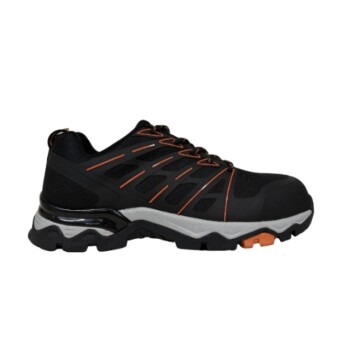
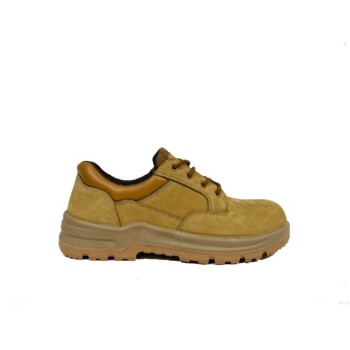
Professional-grade safety shoes serve as the foundational layer of defense against the most frequent physical hazards in construction environments. They act as a specialized component of Personal Protective Equipment (PPE) designed to mitigate three primary risks: crushing injuries from falling objects, debilitating punctures from sharp debris, and accidents resulting from slips on hazardous surfaces. Beyond individual physical protection, these shoes play a strategic role in preventing costly project delays and legal liabilities associated with workplace injuries.
Core Takeaway While often viewed merely as uniform requirements, professional-grade safety shoes are engineered risk-mitigation tools that directly impact project continuity. By reducing foot-related injury accidents by approximately 67%, they protect both the worker’s physical health and the project’s operational timeline.
Mechanisms of Physical Risk Mitigation
Impact and Compression Protection
Construction sites are rife with dynamic hazards, such as falling tools, heavy building materials, and shifting equipment. Professional-grade footwear mitigates this risk through reinforced toe caps.
These caps, typically engineered from steel or high-strength composite materials, create a rigid protective shell around the toes. This barrier is essential for preventing crushing injuries and ensuring that mechanical impacts do not result in permanent lower-limb damage.
Puncture Defense on Complex Surfaces
The ground surface of a construction site is rarely clear; it is often littered with nails, glass, sharp metal, and rebar. Standard footwear offers negligible protection against these upward-facing threats.
Industrial-grade shoes incorporate puncture-resistant midsoles or layers specifically designed to block sharp objects from penetrating the sole. This feature transforms the shoe into a robust physical barrier, allowing workers to navigate environments with sharp debris without the risk of debilitating foot punctures.
Stability and Fall Prevention
Falls caused by slips and trips are among the most common causes of construction injuries. Wet concrete, oil spills, and uneven terrain create hazardous footing conditions.
Safety shoes address this through high-traction, slip-resistant outsoles. These soles are often texturized and composed of materials resistant to oils and chemicals, ensuring stability on weather-affected or complex ground surfaces.
Operational and Systemic Benefits
Reducing Project Liability
The impact of safety footwear extends beyond the individual worker to the health of the project itself. Workplace accidents inevitably lead to work stoppages, medical costs, and potential legal action.
By significantly reducing the frequency of reportable accidents, professional-grade footwear acts as an insurance policy for project timelines. It minimizes the "downtime" associated with investigating and recovering from preventable injuries.
Integration with Advanced Safety Systems
Modern construction increasingly relies on technology to augment worker safety. In scenarios involving industrial lower limb exoskeletons, rigid safety shoes provide a stable platform for pressure sensors.
This stability allows gait recognition systems to accurately capture center-of-gravity signals. Consequently, the shoe becomes a critical interface point that enhances the effectiveness of broader high-tech safety systems.
Understanding the Trade-offs
Specificity vs. Universality
A common pitfall is assuming one type of safety shoe covers all risks. A shoe optimized for impact resistance (steel toe) may be heavier, potentially causing fatigue over long shifts compared to composite alternatives.
Chemical and Environmental Limitations
While many safety shoes offer general slip resistance, they are not universally resistant to all industrial chemicals. Working in environments with specific corrosive agents or extreme welding heat requires footwear with specialized chemical or thermal resistance ratings, rather than a generic "construction" safety shoe.
The Limits of PPE
Safety shoes reduce the severity of an injury but do not remove the hazard. Reliance on PPE should never replace site maintenance; a puncture-resistant sole protects the foot, but clearing debris prevents the risk entirely.
Making the Right Choice for Your Goal
Selecting the correct footwear depends on the specific risk profile of your construction environment.
- If your primary focus is heavy structural work or demolition: Prioritize shoes with steel or heavy-duty composite toe caps to maximize protection against falling heavy objects and compression.
- If your primary focus is high-rise or complex terrain: Look for puncture-resistant midsoles combined with aggressive anti-slip tread patterns to handle rebar and weather-exposed surfaces.
- If your primary focus is technology integration (exoskeletons): Ensure the footwear features a rigid sole structure compatible with foot pressure sensors to maintain accurate gait recognition data.
Professional-grade safety shoes are not just clothing; they are a critical risk management control that safeguards the worker's life and the project's bottom line.
Summary Table:
| Feature | Risk Mitigation Mechanism | Operational Benefit |
|---|---|---|
| Reinforced Toe Caps | Blocks impact/compression from falling heavy objects | Prevents permanent injury & medical downtime |
| Puncture-Resistant Midsoles | Barriers against nails, glass, and sharp rebar | Reduces work-stoppage due to site debris |
| Slip-Resistant Outsoles | Provides traction on wet concrete or oily surfaces | Minimizes fall-related liability & accidents |
| Rigid Sole Structure | Stable platform for pressure sensors/exoskeletons | Enhances high-tech safety system integration |
Secure Your Workforce with 3515’s Advanced Footwear Solutions
As a large-scale manufacturer serving global distributors and brand owners, 3515 offers comprehensive production capabilities for all footwear types. Anchored by our flagship Safety Shoes series, we provide the heavy-duty protection required to mitigate construction risks and safeguard your project timelines. Our extensive portfolio also covers tactical boots, outdoor shoes, and formal footwear to meet diverse bulk requirements.
Partner with us to enhance your product lineup and ensure worker safety:
- Contact Us Today to Discuss Your Bulk Requirements
- Benefit from our expertise in manufacturing high-traction, puncture-resistant, and impact-certified safety gear.
References
- Saurabh Pawade, Swati Dhurve. Effective Risk Management in Construction Projects. DOI: 10.14445/23488352/ijce-v9i5p101
This article is also based on technical information from 3515 Knowledge Base .
Related Products
- Premium Suede Sport Safety Shoes for Wholesale & Bulk Orders
- Premium Lightweight Safety Shoes for Wholesale & Bulk Orders
- Wholesale Anti-Smash & Puncture-Proof Safety Shoes Custom Manufacturing for Brands
- Premium KPU Injection Athletic Style Safety Shoes
- Premium Safety Shoes with Rotating Buckle Safety Sneakers
People Also Ask
- What are the primary functions of professional safety shoes? Maximize Safety in Water Supply Confined Spaces
- What industries have specific OSHA footwear requirements? Ensure Compliance & Protect Your Workforce
- What role do specialized safety shoes play in preventing falls? Engineering Stability in Industrial Environments
- Why are customized foot sensors or professional safety shoes incorporated into biomechanical testing? Precision Insights
- Why is barefoot walking used as a baseline in gait safety research? Unlocking Natural Biomechanics for Shoe Design