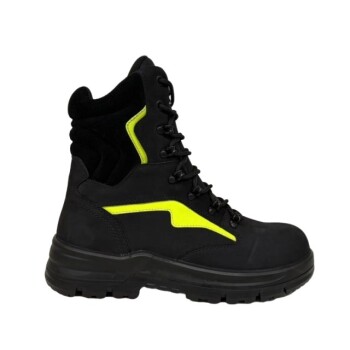
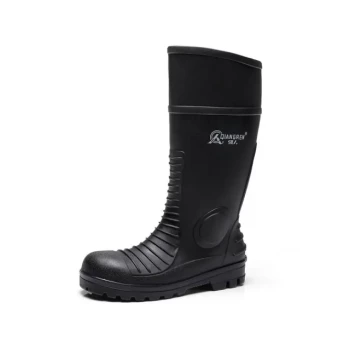
Physical sized sample sets act as the definitive validation step in the field sizing process for protective equipment. Rather than relying solely on abstract numbers, these sets provide a complete series of actual products that allow personnel to conduct live trials and assess fit in real-time.
Core Takeaway While size charts provide a theoretical baseline, physical sample sets are the only way to guarantee functional compatibility in active duty scenarios. They bridge the gap between static body measurements and the dynamic reality of how gear performs during movement.
Validating Functional Performance
To understand the true value of physical samples, one must look beyond simple dimensions.
Testing Dynamic Range of Motion
Standard data measurements are static; they measure a body at rest. Physical sample sets allow the user to move, stretch, and simulate active duty tasks. This process ensures that the selected size accommodates the full range of motion required for the job, preventing restrictions that a tape measure cannot predict.
Verifying Feature Accessibility
Sizing is not just about the overall fit; it is about the usability of the gear's features. Live trials allow users to confirm proper pocket placement relative to their specific body mechanics. This ensures that essential tools and equipment remain accessible when the gear is worn.
Assessing Equipment Integration
Protective gear rarely operates in isolation. It functions as part of a system.
The Interface Between Items
A critical role of the sample set is to test how different pieces of equipment interact. The primary reference highlights the transition between boots and trousers as a key example. Physical trials reveal if these components interface smoothly or if they create friction and exposure gaps.
Identifying Localized Issues
A size chart provides an average, but bodies are unique. Physical trials expose localized areas of tightness or bulkiness that data misses. Identifying these nuances prevents the selection of gear that might technically "fit" the measurements but fails in comfort or safety.
Common Pitfalls to Avoid
While physical sampling is robust, misunderstanding its purpose can lead to errors.
The "Static Fit" Trap
A common mistake is wearing the sample set but standing still. The reference emphasizes live trials. Simply putting the gear on is insufficient; the user must replicate active movements to identify functional limitations.
Over-Reliance on Charts
It is a risk to assume that if a user falls within a specific range on a chart, the physical trial is unnecessary. As noted, charts cannot reveal the interface between equipment. Skipping the physical trial often results in gear that meets dimensional criteria but fails functional requirements.
Making the Right Choice for Your Goal
Physical sizing is an investment in safety and operational readiness.
- If your primary focus is Operational Safety: Prioritize the interface check to ensure no gaps exist between boots, trousers, and other protective layers.
- If your primary focus is User Mobility: Use the sample set to rigorously test range of motion, rejecting any size that restricts movement despite matching the data chart.
Physical sample sets transform sizing from a theoretical estimation into a practical verification of mission readiness.
Summary Table:
| Feature | Size Chart (Data-Driven) | Physical Sample Sets (Field-Ready) |
|---|---|---|
| Measurement Type | Static / Theoretical | Dynamic / Live Performance |
| Mobility Check | Not possible | Full range of motion testing |
| Integration | Isolated item measurements | Tests interface between boots, trousers, etc. |
| Comfort Detail | General size estimation | Identifies localized tightness or bulk |
| Main Goal | Baseline identification | Practical verification of mission readiness |
Elevate Your Team's Performance with Precision-Fitted Gear
At 3515, we understand that in high-stakes environments, a 'standard size' is never enough. As a leading large-scale manufacturer serving distributors and brand owners worldwide, we provide comprehensive production capabilities across all footwear categories. From our flagship Safety Shoes series to tactical boots, outdoor gear, and formal dress shoes, we ensure every pair meets the rigorous demands of active duty.
Don't let theoretical charts compromise your safety. Partner with 3515 for bulk footwear solutions that prioritize mobility, comfort, and seamless equipment integration. Contact us today to discuss your specific requirements and see how our manufacturing expertise can benefit your brand.
References
- Susan L. Sokolowski, Christine Bettencourt. Examination of current U.S. female firefighting personal protective equipment (PPE) sizing and fitting process challenges: an opportunity to improve safety. DOI: 10.1186/s40691-022-00314-8
This article is also based on technical information from 3515 Knowledge Base .
Related Products
- Premium Suede Sport Safety Shoes for Wholesale & Bulk Orders
- Premium Lightweight Safety Shoes for Wholesale & Bulk Orders
- Premium Waterproof Nubuck Safety Boots for Wholesale
- Wholesale Customizable Safety Boots Durable & Protective Footwear Manufacturing
- Wholesale Anti-Smash & Puncture-Proof Safety Shoes Custom Manufacturing for Brands
People Also Ask
- What are the primary functions of professional safety shoes? Maximize Safety in Water Supply Confined Spaces
- What industries have specific OSHA footwear requirements? Ensure Compliance & Protect Your Workforce
- What role do specialized safety shoes play in preventing falls? Engineering Stability in Industrial Environments
- Why is barefoot walking used as a baseline in gait safety research? Unlocking Natural Biomechanics for Shoe Design
- Why wear protective masks, gloves, and safety shoes in 5S Shine? Elevate Safety and Discipline