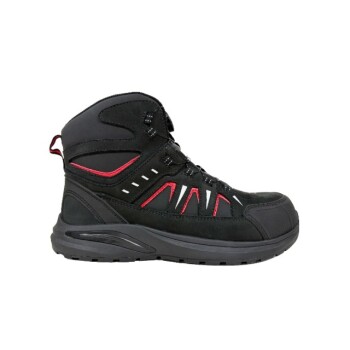
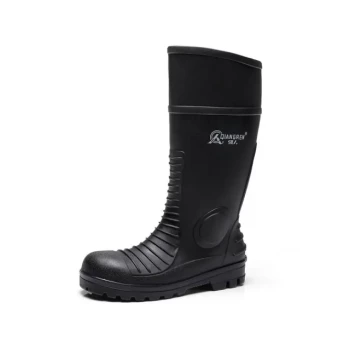
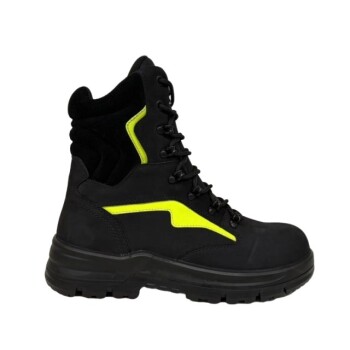
Anti-smash toe caps serve as the primary structural defense against permanent foot injuries in the metal manufacturing industry. They are reinforced shells integrated into the front of safety footwear, specifically engineered to absorb the kinetic energy of falling heavy objects—such as aluminum ingots or molds—and resist the crushing force of industrial machinery.
In an industry defined by the movement of massive loads, anti-smash toe caps are a non-negotiable engineering control. They function by maintaining a survivable volume of space inside the shoe during an accident, preventing heavy ingots or tools from causing amputations or severe fractures.
The Mechanics of Protection
Impact Absorption
In metal manufacturing, the risk of dropping heavy materials is high. Anti-smash caps are designed to withstand sudden, high-velocity impacts.
When a heavy object like a mold or ingot falls, the cap disperses the energy across its structure. This prevents the object from cutting through the leather or textile upper and crushing the toes.
Compression Resistance
Beyond sudden drops, manufacturing floors feature heavy rolling equipment and mechanical tools.
Toe caps provide compression resistance, protecting the foot if it becomes trapped under heavy static loads. The cap acts as a rigid shield, ensuring the toe box does not collapse under the immense weight of machinery.
Technical Standards and Performance
The 200-Joule Standard
To be classified as "safety footwear" suitable for this industry, the toe cap must meet strict performance criteria.
The cap must withstand an impact energy of at least 200 Joules during drop testing. This ensures the footwear can handle the severe forces typical of a heavy industrial environment.
Static Pressure Requirements
Impact is not the only threat; slow crushing forces are equally dangerous.
Certified toe caps must withstand a static pressure test of 15 kilo-Newtons (kN). This certification guarantees structural integrity even when the foot is pinned by heavy equipment.
Understanding Material Trade-offs
While the safety standard (200J/15kN) remains constant regardless of material, the composition of the toe cap introduces specific trade-offs.
Steel Toe Caps
Steel is the traditional standard for metal manufacturing.
It offers a thinner profile for the same level of protection, providing more room inside the shoe. However, steel conducts electricity and heat, which may be a disadvantage in environments with electrical hazards or extreme temperatures.
Composite and Plastic Caps
Composite or plastic caps are non-conductive and significantly lighter than steel.
These are ideal for reducing worker fatigue and for environments with electrical risks. The trade-off is that they are often bulkier than steel to achieve the same impact rating.
Aluminum Caps
Aluminum offers a middle ground, providing the low profile of metal with a weight closer to composite.
Like steel, however, it is conductive and transfers temperature, which must be considered based on the specific manufacturing environment.
Making the Right Choice for Your Facility
Selecting the correct safety footwear depends on the specific hazards present in your production line or storage zone.
- If your primary focus is maximum impact durability: Opt for steel toe caps, as they offer a slimmer profile and robust protection against heavy aluminum ingots and sharp debris.
- If your primary focus is electrical safety or reducing fatigue: Choose composite toe caps, as they are non-conductive and lighter, making them ideal for workers moving constantly through the facility.
- If your primary focus is metal-free zones: Select plastic toe caps, which allow for totally metal-free shoes suitable for security-sensitive areas.
Ultimately, regardless of the material chosen, ensuring the footwear is rated for 200 Joules of impact is the baseline requirement for safety in metal manufacturing.
Summary Table:
| Feature | Steel Toe Caps | Composite/Plastic Caps | Aluminum Caps |
|---|---|---|---|
| Best For | Heavy impact & slim fit | Electrical safety & light weight | Balanced weight & low profile |
| Impact Rating | 200 Joules | 200 Joules | 200 Joules |
| Compression | 15 kN resistance | 15 kN resistance | 15 kN resistance |
| Conductivity | Conducts heat/electricity | Non-conductive | Conducts heat/electricity |
| Weight | Heaviest | Lightest | Medium |
Partner with 3515 for High-Performance Safety Solutions
As a large-scale manufacturer serving distributors and brand owners, 3515 offers comprehensive production capabilities for all footwear types, anchored by our flagship Safety Shoes series. Whether your clients require the slim profile of steel toe caps or the non-conductive benefits of composite materials, our extensive portfolio covers work and tactical boots, outdoor shoes, training shoes, sneakers, and Dress & Formal shoes to meet your diverse bulk requirements.
Elevate your product line with our certified manufacturing excellence. Contact us today to discuss your bulk orders and custom specifications!
References
- Adib Priyahita Wirazahrawan. Identifikasi Potensi Bahaya Menggunakan Metode Job Safety Analysis Di PT. SP Alumunium. DOI: 10.47701/sintech.v5i1.4968
This article is also based on technical information from 3515 Knowledge Base .
Related Products
- Customizable Anti-Smash Safety Boots for Wholesale & Private Label Manufacturing
- Wholesale Anti-Smash & Puncture-Proof Safety Shoes Custom Manufacturing for Brands
- Puncture-Resistant Velcro Safety Boots for Wholesale & Custom Manufacturing
- Wholesale Durable Safety Boots | Custom Steel Toe & Puncture-Resistant Manufacturing
- Advanced KPU Athletic Safety Shoe with Steel Toe Cap Anti-Slip Rotary Lacing System
People Also Ask
- What are the requirements of BS EN345 safety regulations for security guard safety boots? | EN ISO 20345 Guide
- What are the key performance benchmarks set by the EN ISO 20345 standard for safety boots? A Guide to Selecting the Right Protection
- What additional protections are defined by the EN ISO 20345 norm? Match Footwear to Specific Hazards
- How is compliance with the EN ISO 20345 standard certified? The Path to Independent Verification
- Why are industrial safety boots with steel toes necessary for machine operators? Essential Foot Protection for Safety