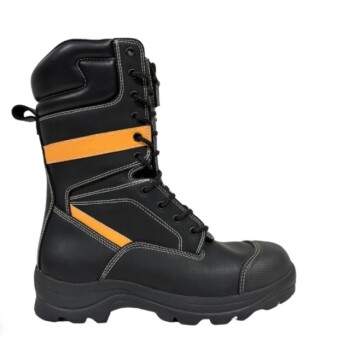
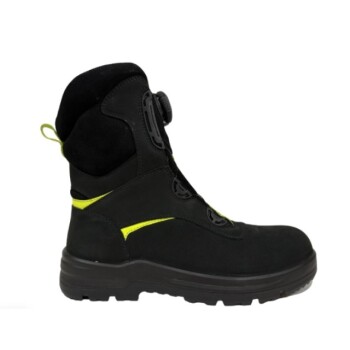
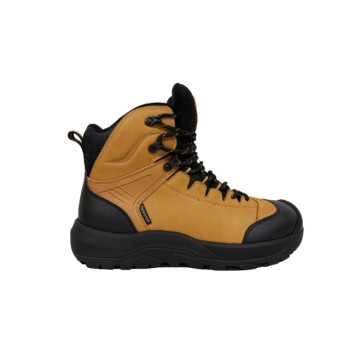
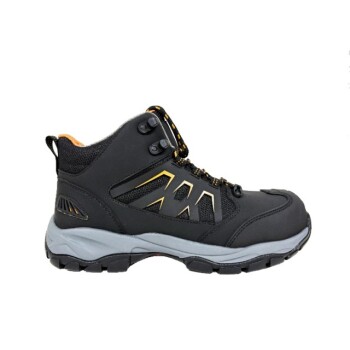
Ankle protection in fire safety boots is engineered to provide two critical functions: impact resistance and pressure distribution. Specifically designed to absorb lateral forces, these specialized pads significantly lower the risk of debilitating injuries like sprains and fractures without compromising the necessary range of motion for active movement.
Specialized ankle padding serves as a critical shock absorber in rugged environments. By dissipating energy from lateral impacts and distributing pressure, it prevents structural damage to the joint during operations at collapse sites or on uneven ground.
The Mechanics of Ankle Protection
Absorbing Lateral Impact
The primary function of this padding is to mitigate lateral impact forces. In active fire scenes, debris or equipment often strikes the lower leg from the side.
The padding acts as a dense barrier, absorbing this kinetic energy before it reaches the ankle bone. This absorption is vital for preventing fractures caused by blunt force trauma.
Distributing Pressure
Beyond handling sudden impacts, the padding aids in pressure distribution. It prevents external forces from creating localized pressure points on the ankle.
By spreading force across a wider surface area, the padding reduces the likelihood of bruising or deep tissue injury.
Operational Context
Rugged Terrain and Collapse Sites
Firefighters frequently operate in unpredictable environments. The reference specifically highlights collapse sites and rugged terrain as high-risk zones.
In these scenarios, unstable footing increases the risk of ankle rolls. The padding provides stability and protection against the shifting debris common in these environments.
Validated Safety Standards
This protection is not merely cosmetic; it is engineered for performance. The effectiveness of ankle padding is often validated through rigorous drop testing.
This testing ensures the materials can withstand significant force without failing, providing reliable protection when it matters most.
Understanding the Trade-offs
Balancing Protection and Mobility
A common challenge in boot design is adding protection without creating stiffness. Overly rigid boots can impede a firefighter's ability to move quickly.
However, properly designed ankle padding preserves the flexibility needed for foot movement. It offers a balance where safety does not come at the expense of agility.
Weight Considerations
While specialized padding adds a layer of safety, it adds material to the boot.
Designers must ensure this added bulk does not create unnecessary fatigue during long operations. The goal is maximum protection with minimal weight penalty.
Making the Right Choice for Your Goal
When selecting footwear, consider the specific nature of your deployment environment to determine the necessity of specialized ankle reinforcement.
- If your primary focus is heavy rescue or structural collapse: Prioritize boots with drop-test validated padding to ensure maximum resistance against crushing lateral forces.
- If your primary focus is general structural firefighting: Ensure the padding offers a distinct balance of impact absorption and flexibility to maintain agility on ladders and stairs.
Effective ankle protection transforms a potential career-ending injury into a manageable impact, keeping you operational when it counts.
Summary Table:
| Feature | Primary Protective Function | Operational Benefit |
|---|---|---|
| Lateral Impact Absorption | Mitigates blunt force kinetic energy | Prevents ankle fractures from falling debris |
| Pressure Distribution | Spreads force across wider surface area | Reduces localized bruising and deep tissue injury |
| Structural Stability | Supports joint during ankle rolls | Enhances safety on rugged terrain and collapse sites |
| Material Design | Balances density with flexibility | Maintains agility without sacrificing mobility |
Secure Your Supply Chain with 3515 High-Performance Footwear
As a premier large-scale manufacturer serving global distributors and brand owners, 3515 delivers uncompromised safety and durability. Our footwear engineering specializes in protecting those on the front lines, from rugged tactical operations to industrial safety.
Why Partner with 3515?
- Comprehensive Range: From our flagship Safety Shoes and fire-resistant boots to tactical, outdoor, and formal dress shoes.
- Production Excellence: Scalable manufacturing capabilities designed to meet high-volume bulk requirements for brand owners.
- Advanced Protection: Drop-test validated technologies that ensure maximum impact resistance and user comfort.
Ready to elevate your product portfolio with world-class protective footwear? Contact us today to discuss your distribution needs and experience the 3515 manufacturing advantage.
References
- Marianna Tomašková, Jozef Krajňák. Features and Sustainable Design of Firefighting Safety Footwear for Fire Extinguishing and Rescue Operations. DOI: 10.3390/su152015108
This article is also based on technical information from 3515 Knowledge Base .
Related Products
- High Performance Fire-Retardant Waterproof Safety Boots
- Premium Flame-Retardant Waterproof Safety Boots and Shoes
- Premium High-Cut Waterproof Safety Boots Manufacturing & Wholesale Solutions
- Premium Waterproof High-Cut Industrial Safety Boots for Wholesale and Bulk Orders
- Premium Wholesale Waterproof Safety Boots High Performance Protection for Industrial Markets
People Also Ask
- Why are waterproof safety boots recommended for certain work environments? Essential Protection for Wet & Hazardous Jobs
- What roles do 3D vision systems and industrial robots play in the manufacturing of fire safety boots? Smart Automation
- What's the difference between waterproof and water-resistant boots? Choose the Right Footwear for Your Environment
- How does boot construction affect waterproofing? The Science Behind Truly Dry Feet
- What is the difference between waterproof, water-resistant, and water-repellent boots? Choose the Right Protection for Your Feet