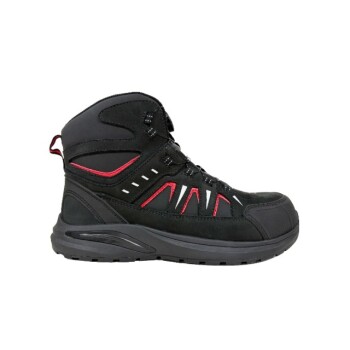
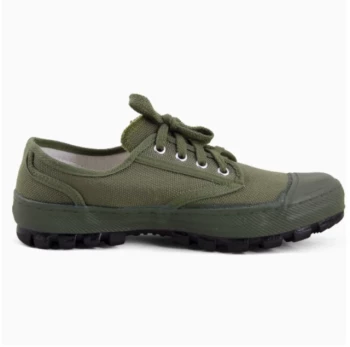
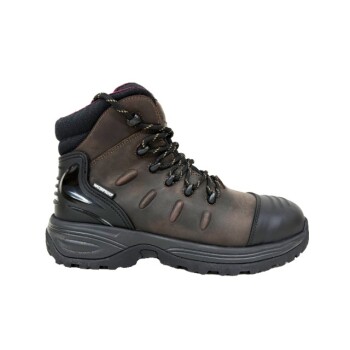
The primary protection in industrial work boots is achieved through a tripartite system of reinforced toe caps, puncture-resistant midsoles, and specialized outsoles. These integrated features are engineered to mitigate the specific physical hazards found on construction sites, such as falling debris, sharp ground-level objects, and unstable surfaces.
Modern industrial footwear functions as a specialized safety tool, combining material science with ergonomic design to provide a comprehensive barrier between the worker and the high-risk environment of a construction site.
Shielding Against Impact and Compression
The most critical feature for construction safety is the reinforcement of the toe area to prevent crushing injuries.
The Role of Impact-Resistant Toe Caps
Toe caps are designed to withstand significant weight from falling objects or accidental compression by heavy machinery. These protective shells create a safety void around the phalanges, ensuring the foot remains intact even under extreme pressure.
Steel vs. Composite Materials
Standard protection typically utilizes steel, composite, or carbon fiber materials. While steel offers the highest level of thin-profile strength, composite and carbon options provide non-metallic alternatives that do not conduct heat or electricity.
The Advantage of Wider Toe Boxes
Some specialized designs, such as industrial western boots, incorporate a wider toe box. This allows for natural foot splay and increased comfort during long shifts without compromising the integrity of the protective reinforcement.
Preventing Puncture Hazards
Construction sites are often littered with hazardous debris like discarded nails, screws, and sharp metal scraps.
Puncture-Proof Midsoles
The midsole serves as a horizontal shield embedded within the sole of the boot. By utilizing steel plates or high-tenacity fabrics, these midsoles prevent sharp objects from piercing through the bottom of the boot and entering the foot.
Flexibility and Fabric Technology
Modern high-tenacity fabrics offer a lighter, more flexible alternative to traditional steel plates. These materials provide edge-to-edge protection while allowing the boot to bend naturally during movement, reducing foot fatigue for the wearer.
Enhancing Stability and Traction
Maintaining a solid connection to the ground is essential for preventing falls on uneven or slick construction terrain.
Rugged, Slip-Resistant Outsoles
Outsoles are typically constructed from durable, grippy rubber designed to maintain traction on wet, oily, or loose surfaces. The tread patterns are engineered to shed debris and "bite" into unstable ground.
Traction on Uneven Surfaces
Industrial boots often feature deep lugs and specialized rubber compounds that remain flexible in various temperatures. This ensures that the traction remains consistent whether the worker is on a ladder, a roof, or a muddy excavation site.
Understanding the Trade-offs
Choosing the right protective features requires balancing maximum safety with the practical demands of the job.
Weight vs. Mobility
Heavy-duty steel components provide superior protection but significantly increase the total weight of the boot. This added mass can lead to increased fatigue and physical strain over a twelve-hour shift.
Metal vs. Non-Metal Components
Steel toes and midsoles are problematic in environments with metal detectors or high electrical risks. While composite materials solve these issues, they are often bulkier than their steel counterparts to achieve the same safety ratings.
How to Apply This to Your Project
Selecting the right footwear depends entirely on the specific hazards present in your daily work environment.
- If your primary focus is heavy demolition or machinery: Prioritize boots with steel toe caps and steel midsoles for the highest level of compression and puncture resistance.
- If your primary focus is electrical work or security environments: Select composite or carbon-reinforced boots to maintain safety without the conductivity of metal.
- If your primary focus is all-day movement on uneven terrain: Focus on boots with high-tenacity fabric midsoles and deep-lugged rubber outsoles for maximum flexibility and grip.
The integration of these specialized safety features ensures that a worker's foundation remains secure against the unpredictable rigors of the modern construction site.
Summary Table:
| Safety Feature | Primary Material Options | Key Protective Benefit |
|---|---|---|
| Toe Caps | Steel, Composite, Carbon Fiber | Prevents crushing injuries from heavy falling objects. |
| Midsoles | Steel Plates, High-Tenacity Fabrics | Blocks nails and sharp debris from piercing the foot. |
| Outsoles | Durable, High-Grip Rubber | Provides traction and stability on oily or uneven terrain. |
| Design | Wide Toe Box / Ergonomic Lugs | Reduces fatigue and improves comfort during long shifts. |
Secure Your Workforce with Premium Industrial Footwear
As a large-scale manufacturer serving distributors and brand owners, 3515 offers comprehensive production capabilities for all footwear types, anchored by our flagship Safety Shoes series. Our extensive portfolio covers work and tactical boots, outdoor shoes, training shoes, and sneakers, as well as Dress & Formal shoes to meet your diverse bulk requirements.
Whether you need steel-toe protection for heavy industry or lightweight composite solutions for electrical environments, we deliver high-performance safety gear tailored to your brand's specifications.
Ready to elevate your product line? Contact us today to discuss our manufacturing capabilities and bulk ordering options.
References
- Tian Tian, Yuantao Hao. The risk of injuries during work and its association with precipitation: New insight from a sentinel-based surveillance and a case-crossover design. DOI: 10.3389/fpubh.2023.1117948
This article is also based on technical information from 3515 Knowledge Base .
Related Products
- Durable Leather Moc Toe Work Boots for Wholesale & Custom Manufacturing
- Durable Leather Work Boots for Wholesale & Custom Manufacturing
- Durable Leather Work Boots for Wholesale & Custom OEM Manufacturing
- Wholesale Customizable Safety Boots Durable & Protective Footwear Manufacturing
- Customizable Anti-Smash Safety Boots for Wholesale & Private Label Manufacturing
People Also Ask
- What are moc toe work boots designed for? Superior Comfort and Mobility for Tradespeople
- What are the key features to look for when purchasing moc toe boots? A Guide to Durability & Fit
- How did moc toe boots originate? A Legacy of Workwear Durability and Style
- What clothing items complement the Outdoorsman/Heritage Look with moc toe boots? Build a Timeless, Rugged Wardrobe
- What types of outfits can moc toe boots be worn with? Versatile Style Guide